

How Does Aluminum Magnesium Coil Address Industrial Material Challenges?
2026-01-23
Article Summary
Aluminum magnesium coil is a specialized alloy product widely used across industrial, construction, transportation, and manufacturing sectors due to its strength-to-weight ratio, corrosion resistance, and adaptability. This article analyzes its material composition, performance parameters, comparative advantages, practical applications, and answers common questions faced by procurement, engineering, and materials specialists. Technical specifications, industry scenarios, and problem-solving insights are provided to help buyers and engineers make informed decisions when selecting and applying aluminum magnesium coil solutions.
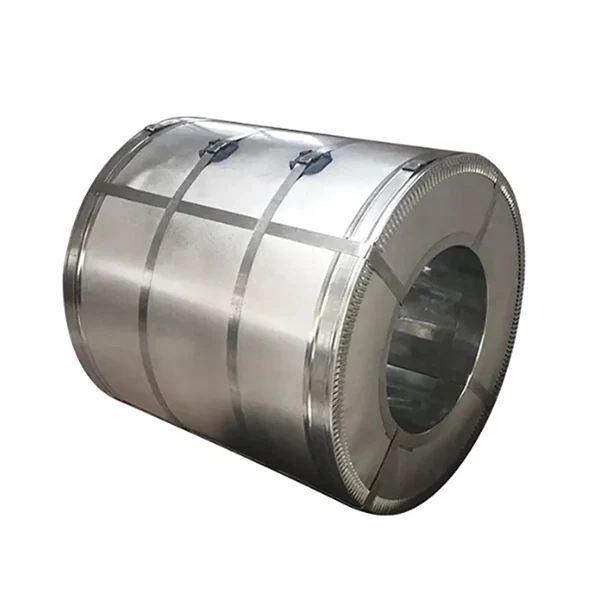
Table of Contents
- Introduction to Aluminum Magnesium Coil
- Material Properties and Composition
- Key Technical Parameters
- Industries and Application Scenarios
- Guidelines for Material Selection
- Frequently Asked Questions
- Conclusion and Contact Information
1. Introduction to Aluminum Magnesium Coil
Aluminum magnesium coil is an alloy product formed by combining aluminum, magnesium and sometimes zinc through rolling and finishing processes. This composite material delivers a balance of mechanical strength, durability and corrosion resistance that outperforms many pure aluminum alternatives. It is extensively used where lightweight structural materials with resilience to environmental stresses are needed. In alloy classification standards, aluminum-magnesium series belongs mainly to the 5000 series, where magnesium content enhances tensile strength and environmental performance.:contentReference[oaicite:0]{index=0}
From automotive body panels to architectural facades, aluminum magnesium coil supports a broad range of industrial applications due to its versatile properties. Engineering teams often select these coils to address weight reduction, durability against moisture and salt exposure, and long service life requirements in demanding operational conditions.:contentReference[oaicite:1]{index=1}
2. Material Properties and Composition
The distinct performance profile of aluminum magnesium coil arises from its alloy constituents and manufacturing processes. Typical compositions include aluminum as the base metal and magnesium as the principal strengthening agent, with optional zinc additions in hot-dipped or coated variants.:contentReference[oaicite:2]{index=2}
- Aluminum (Al): Provides base ductility, lightweight profile, and natural corrosion resistance.
- Magnesium (Mg): Increases tensile strength and reinforces structural stability under load.
- Zinc (Zn): In certain graded coils, zinc improves corrosion resistance and surface protection.
This synergy results in a material with superior strength-to-weight ratio, corrosion resistance in outdoor or marine environments, and ease of fabrication compared to non-alloyed aluminum coils.:contentReference[oaicite:3]{index=3}
3. Key Technical Parameters
| Parameter | Typical Range / Value | Remarks |
|---|---|---|
| Alloy Series | 5000 Series (Al-Mg) | Common commercial grades |
| Magnesium Content | 1.9%–5.0% | Higher Mg increases strength |
| Thickness | 0.5–5.0 mm | Customizable by processing |
| Width | 400–1600 mm | Adaptable to production needs |
| Coating Options | Uncoated, coated, prepainted | Environmental protection layers available |
| Corrosion Resistance | High | Suitable for coastal, industrial use |
The parameters above are representative of typical aluminum magnesium coil offerings and may vary by manufacturer. Custom specifications are also available based on project requirements.
4. Industries and Application Scenarios
Aluminum magnesium coil’s versatility makes it a preferred product across varied industrial landscapes. Key application scenarios include:
- Construction and Architectural Cladding – Facade panels, decorative elements where corrosion resistance and light weight improve long-term performance.
- Automotive and Transportation – Body panels, frames, and underbody shields where weight reduction enhances fuel efficiency.
- Marine and Offshore Structures – Decks, hull components exposed to saltwater conditions requiring enhanced protective properties.:contentReference[oaicite:4]{index=4}
- Appliance and Electronics – Cabinetry, housings and internal structures for durable consumer goods.
- Industrial Fabrication – Structural elements and components in machinery where high strength-to-weight performance is critical.
Different application sectors may emphasize particular performance traits — for example, corrosion resistance in coastal installations or mechanical strength in automotive frameworks.
5. Guidelines for Material Selection
Selecting the correct aluminum magnesium coil grade involves balancing required mechanical properties with environmental exposure and processing needs:
- Environment Exposure – Higher magnesium content tends to improve resistance against corrosive conditions, especially industrial or marine exposures.:contentReference[oaicite:5]{index=5}
- Fabrication Methods – Coil temper and thickness choices affect forming, bending, and welding operations.
- Finish Requirements – Coated or painted coils offer enhanced surface protection and aesthetic finishes where visible installation is required.
Project specifications should be driven by performance needs rather than cost alone — aiming for longevity, safety, and maintenance minimization over the lifecycle of the installation.
6. Frequently Asked Questions
Q: What makes aluminum magnesium coil different from plain aluminum coil?
Aluminum magnesium coil contains added magnesium which increases its mechanical strength and improves corrosion resistance compared to pure aluminum coils. These properties enhance performance in demanding environments and extend service life.
Q: Can aluminum magnesium coil be painted or coated?
Yes. Aluminum magnesium coils can be supplied in coated or prepainted forms to provide additional surface protection, improve aesthetics, and extend performance in outdoor settings.
Q: Is aluminum magnesium coil suitable for marine applications?
Due to its enhanced resistance to saltwater corrosion and environmental stress, aluminum magnesium coil is widely used in marine structures, shipbuilding components, and coastal architectural elements.
Q: How does thickness choice impact performance?
Thicker coils generally provide greater structural support and resistance to deformation, but may also affect weight and handling. Selection depends on design requirements and installation context.
7. Conclusion and Contact Information
Aluminum magnesium coil is a versatile industrial material that delivers a blend of strength, lightweight design, and resistance to environmental conditions. Its alloy composition and customizable specifications make it suitable for a wide variety of sectors including construction, automotive, marine, and industrial manufacturing. Understanding these core characteristics ensures that engineers and purchasers select the best material solution for their projects.
Wanhetong Steel (shandong) Co., Ltd. offers high-quality aluminum magnesium coil products tailored to meet diverse application needs. For detailed product specifications, pricing, and customized engineering support, we invite you to contact us to discuss how our material solutions can address your project challenges and material requirements.
