

How Does Aluminum Extrusion Work?
2026-03-20
Article Summary:
Aluminum extrusion is a highly efficient manufacturing process used to create complex cross-sectional profiles with excellent precision and durability. This article provides a comprehensive explanation of how aluminum extrusion works, its key advantages, technical parameters, common challenges, and practical solutions. Whether you are sourcing components or optimizing production, this guide helps address real-world concerns such as cost control, design flexibility, and quality consistency.
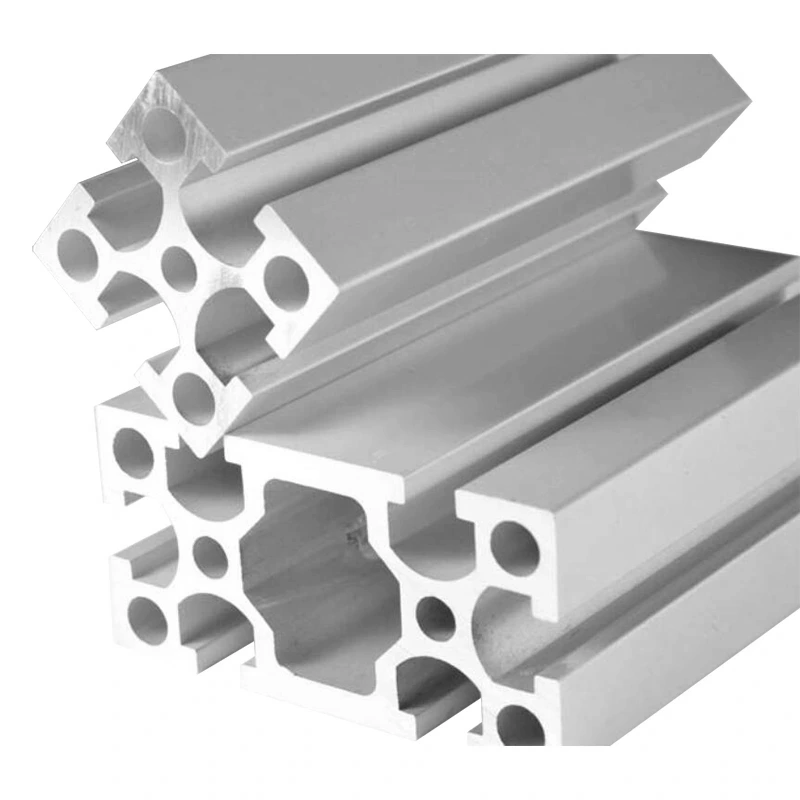
Table of Contents
- 1. What Is Aluminum Extrusion?
- 2. How Does Aluminum Extrusion Work?
- 3. Types of Aluminum Extrusion Processes
- 4. Key Technical Parameters
- 5. Advantages of Aluminum Extrusion
- 6. Common Challenges and Solutions
- 7. Applications Across Industries
- 8. Frequently Asked Questions
- 9. Conclusion
1. What Is Aluminum Extrusion?
Aluminum extrusion is a manufacturing technique in which aluminum alloy material is forced through a specially designed die to produce a continuous profile with a specific cross-sectional shape. This method enables the creation of both simple and highly intricate geometries that would be difficult or costly to achieve through other fabrication methods.
Customers often choose extrusion due to its ability to combine lightweight properties with structural strength, corrosion resistance, and design versatility. These attributes make it particularly valuable in industries requiring both performance and efficiency.
2. How Does Aluminum Extrusion Work?
The aluminum extrusion process involves several precise stages that ensure consistent quality and dimensional accuracy:
-
Step 1: Die Preparation
A custom die is engineered according to the required cross-sectional design. The die is preheated to ensure proper metal flow. -
Step 2: Billet Heating
Aluminum billets are heated to approximately 400°C–500°C to achieve optimal plasticity without reaching a molten state. -
Step 3: Extrusion Process
The heated billet is placed into an extrusion press, where a hydraulic ram applies high pressure, forcing the aluminum through the die opening. -
Step 4: Profile Formation
The material exits the die in the desired shape and is immediately cooled using air or water quenching. -
Step 5: Stretching and Straightening
Profiles are stretched to eliminate internal stresses and ensure straightness. -
Step 6: Cutting and Finishing
Extrusions are cut to required lengths and may undergo additional treatments such as anodizing, powder coating, or machining.
3. Types of Aluminum Extrusion Processes
Understanding different extrusion methods helps customers select the most suitable approach:
- Direct Extrusion: The most common method where material flows in the same direction as the ram.
- Indirect Extrusion: The die moves toward the billet, reducing friction and improving surface finish.
- Cold Extrusion: Performed at room temperature for high precision components.
- Hot Extrusion: Used for complex shapes requiring enhanced ductility.
4. Key Technical Parameters
| Parameter | Description |
| Alloy Type | Common options include 6061, 6063, and 7075, each offering different strength and corrosion resistance |
| Extrusion Ratio | Defines the degree of deformation from billet to final profile |
| Temperature Range | Typically between 400°C and 500°C for optimal flow |
| Surface Finish | Options include mill finish, anodized, or powder-coated |
| Tolerance | Precision levels depending on application requirements |
5. Advantages of Aluminum Extrusion
Aluminum extrusion provides multiple benefits that directly address common customer concerns:
- Design Flexibility: Enables complex shapes with integrated features.
- Cost Efficiency: Reduces machining and assembly costs.
- Lightweight Strength: Ideal for structural applications with weight constraints.
- Corrosion Resistance: Suitable for outdoor and harsh environments.
- Sustainability: Aluminum is highly recyclable without loss of properties.
6. Common Challenges and Solutions
Despite its advantages, customers often encounter several challenges when sourcing aluminum extrusions:
-
Dimensional Inconsistency
Solution: Work with experienced manufacturers such as Aluassy that implement strict quality control systems. -
Surface Defects
Solution: Optimize die design and extrusion parameters to minimize imperfections. -
High Initial Tooling Cost
Solution: Consider long-term production volume to amortize tooling expenses. -
Lead Time Delays
Solution: Partner with suppliers that offer efficient production scheduling and inventory management.
7. Applications Across Industries
Aluminum extrusion is widely used in various sectors due to its adaptability:
- Construction: Window frames, curtain walls, and structural components
- Automotive: Lightweight chassis and heat dissipation systems
- Electronics: Heat sinks and enclosures
- Industrial Equipment: Machine frames and conveyor systems
- Renewable Energy: Solar panel mounting systems
8. Frequently Asked Questions
Q1: What is the most commonly used aluminum alloy for extrusion?
A: Alloy 6063 is widely used due to its excellent surface finish and corrosion resistance, while 6061 offers higher strength for structural applications.
Q2: How can I reduce the cost of aluminum extrusion projects?
A: Simplifying profile design, optimizing material usage, and increasing production volume can significantly lower overall costs.
Q3: What surface treatments are available for extruded aluminum?
A: Common options include anodizing, powder coating, and electrophoresis, each providing different aesthetic and protective properties.
9. Conclusion
Aluminum extrusion remains a highly efficient and versatile manufacturing solution for producing high-performance components across industries. By understanding the process, technical parameters, and potential challenges, businesses can make informed decisions that improve product quality and reduce costs.
As a reliable industry provider, Aluassy offers advanced aluminum extrusion solutions tailored to diverse application needs, ensuring consistent quality and efficient delivery.
Contact us today to discuss your project requirements and discover how our aluminum extrusion expertise can support your business growth.