

How Does Aluminum Alloy Cable Improve Modern Power Transmission Systems?
2026-08-07
Article Summary:
Aluminum Alloy Cable has become an important alternative solution for modern electrical transmission and distribution systems due to its lightweight structure, excellent conductivity, corrosion resistance, and cost advantages. This article explains how Aluminum Alloy Cable works, why it is increasingly selected for industrial and commercial applications, what challenges it solves compared with traditional cable materials, and how to choose the right cable solution for different projects. With professional experience in electrical solutions, Huixing Zhongdian (Beijing) Electric Co., Ltd. provides reliable cable products designed to meet the requirements of safe, efficient, and long-lasting power networks.
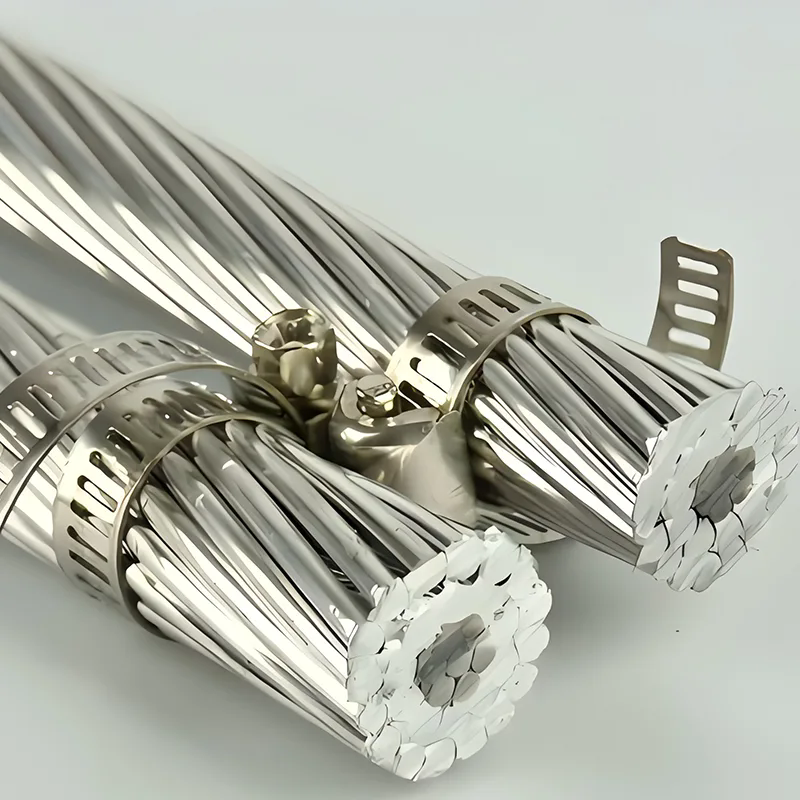
Table of Contents
- 1. Introduction to Aluminum Alloy Cable
- 2. How Aluminum Alloy Cable Works in Power Systems
- 3. Why Choose Aluminum Alloy Cable for Electrical Applications
- 4. Aluminum Alloy Cable vs Traditional Cable Materials
- 5. Common Applications of Aluminum Alloy Cable
- 6. How to Select the Right Aluminum Alloy Cable
- 7. Installation and Maintenance Considerations
- 8. Frequently Asked Questions
- 9. Conclusion
1. Introduction to Aluminum Alloy Cable
Electrical transmission systems require cables that can provide stable performance, safe operation, and long service life. As power demand continues to increase in residential buildings, industrial facilities, renewable energy projects, and infrastructure networks, traditional cable solutions may face challenges related to weight, installation difficulty, and material costs.
Aluminum Alloy Cable is developed to address these challenges by combining aluminum with carefully selected alloy elements. This advanced material structure improves mechanical strength, flexibility, and reliability while maintaining the advantages of aluminum conductivity and lightweight characteristics.
Compared with ordinary aluminum conductors, Aluminum Alloy Cable offers enhanced tensile strength and better connection performance. It has become a practical choice for projects requiring efficient power transmission with reduced installation complexity.
Huixing Zhongdian (Beijing) Electric Co., Ltd. focuses on providing dependable electrical products and solutions that support modern power distribution requirements. Its Aluminum Alloy Cable solutions are designed to balance electrical performance, durability, and economic efficiency.
2. How Aluminum Alloy Cable Works in Power Systems
Aluminum Alloy Cable functions by using alloy-based aluminum conductors to transfer electrical current from power sources to electrical equipment. The conductor material is engineered to provide sufficient electrical conductivity while improving mechanical properties that influence cable reliability.
During operation, electrical current flows through the aluminum alloy conductor. The cable structure usually includes insulation layers and protective components that help prevent electrical leakage, environmental damage, and mechanical stress.
The working performance of Aluminum Alloy Cable depends on several key factors:
- Electrical Conductivity: The alloy composition ensures efficient current transmission with controlled energy loss.
- Mechanical Strength: Improved tensile performance helps the cable withstand installation forces and environmental conditions.
- Thermal Performance: The cable design supports stable operation under different temperature conditions.
- Connection Reliability: Proper alloy characteristics help reduce issues caused by expansion and contraction during operation.
Because of these characteristics, Aluminum Alloy Cable can maintain stable performance in complex electrical environments where reliability is essential.
3. Why Choose Aluminum Alloy Cable for Electrical Applications
Many engineering companies and electrical contractors are looking for cable solutions that reduce project costs without sacrificing safety. Aluminum Alloy Cable provides several benefits that help solve common industry challenges.
- Lightweight Design: Aluminum alloy has a lower density than copper, making transportation and installation easier. This reduces labor requirements and structural load during cable installation.
- Cost Efficiency: Aluminum-based materials generally provide economic advantages compared with copper alternatives, especially in large-scale projects requiring extensive cable lengths.
- Enhanced Strength: The alloy structure improves mechanical properties, allowing cables to handle installation tension and external forces more effectively.
- Corrosion Resistance: Aluminum alloy materials can provide strong resistance against many environmental conditions when properly designed and installed.
- Flexible Installation: The lighter weight and improved flexibility make cable routing easier in complicated construction environments.
For many customers, the biggest challenges are reducing installation difficulty, controlling project budgets, and ensuring long-term electrical safety. Aluminum Alloy Cable offers a balanced approach to these requirements.
4. Aluminum Alloy Cable vs Traditional Cable Materials
Selecting the correct conductor material is an important decision in electrical engineering projects. Different materials have different performance characteristics.
| Feature | Aluminum Alloy Cable | Copper Cable | Standard Aluminum Cable |
|---|---|---|---|
| Weight | Lightweight and easier to transport | Heavier structure | Lightweight |
| Mechanical Strength | Improved strength through alloy technology | Excellent mechanical performance | Lower mechanical strength |
| Material Cost | Cost-effective solution | Higher material cost | Generally economical |
| Installation Convenience | Easy handling and installation | Requires more labor effort | Moderate installation convenience |
| Application Range | Industrial, commercial, infrastructure projects | High-performance electrical systems | General applications |
Although copper remains widely used in some applications, Aluminum Alloy Cable provides a competitive alternative when weight reduction, cost control, and installation efficiency are important considerations.
5. Common Applications of Aluminum Alloy Cable
Aluminum Alloy Cable is suitable for various power distribution environments. Its combination of electrical performance and mechanical advantages makes it useful in multiple industries.
- Building Power Distribution: Used in commercial buildings, residential complexes, and public facilities.
- Industrial Electrical Systems: Supports manufacturing plants and heavy electrical equipment networks.
- Renewable Energy Projects: Applied in solar power stations and other clean energy systems.
- Infrastructure Construction: Suitable for transportation facilities, communication centers, and utility networks.
- Power Grid Expansion: Helps improve transmission efficiency while controlling construction costs.
The adaptability of Aluminum Alloy Cable allows engineers to select suitable specifications according to voltage requirements, installation conditions, and environmental factors.
6. How to Select the Right Aluminum Alloy Cable
Choosing an appropriate Aluminum Alloy Cable requires careful evaluation of project conditions. The wrong selection may result in inefficient performance, higher maintenance costs, or safety risks.
- Determine Electrical Requirements: Consider voltage level, current capacity, and expected operating conditions.
- Evaluate Installation Environment: Indoor, outdoor, underground, and industrial environments may require different cable structures.
- Consider Mechanical Requirements: Projects involving long-distance installation should focus on tensile strength and durability.
- Select Reliable Suppliers: Professional manufacturers can provide technical guidance and quality assurance.
Working with an experienced supplier such as Huixing Zhongdian (Beijing) Electric Co., Ltd. helps customers obtain suitable Aluminum Alloy Cable products based on specific engineering requirements.
7. Installation and Maintenance Considerations
Proper installation is essential for maximizing the service life of Aluminum Alloy Cable. Even high-quality cables require correct handling and connection methods.
- Use professional installation tools to prevent conductor damage.
- Ensure connectors and terminals are suitable for aluminum alloy conductors.
- Follow recommended bending radius requirements during installation.
- Regularly inspect cable connections and protective systems.
- Monitor operating conditions in high-load environments.
Effective installation and maintenance practices help prevent common issues such as overheating, connection failure, and insulation damage.
8. Frequently Asked Questions
Q1: Is Aluminum Alloy Cable suitable for industrial applications?
Yes. Aluminum Alloy Cable is widely used in industrial electrical systems because it provides a combination of conductivity, mechanical strength, and cost efficiency.
Q2: What makes Aluminum Alloy Cable different from ordinary aluminum cable?
The alloy composition improves mechanical performance, connection stability, and durability compared with standard aluminum conductors.
Q3: Can Aluminum Alloy Cable replace copper cable?
In many applications, Aluminum Alloy Cable can serve as an effective alternative to copper cable when project requirements consider weight, cost, and installation conditions.
Q4: How long can Aluminum Alloy Cable operate?
The service life depends on installation quality, operating environment, and maintenance practices. Proper selection and installation can significantly improve long-term reliability.
Q5: Why choose Huixing Zhongdian (Beijing) Electric Co., Ltd.?
Huixing Zhongdian (Beijing) Electric Co., Ltd. provides professional electrical solutions with a focus on product reliability, technical support, and customer requirements. The company helps customers select suitable Aluminum Alloy Cable solutions for different power applications.
9. Conclusion
Aluminum Alloy Cable provides an effective solution for modern electrical transmission challenges by combining lightweight construction, reliable conductivity, improved strength, and economic advantages. As electrical infrastructure continues to develop, selecting suitable cable materials becomes increasingly important for achieving safe and efficient power systems.
From commercial buildings to industrial facilities and renewable energy projects, Aluminum Alloy Cable offers flexibility and dependable performance. By choosing professional products and proper installation methods, businesses can improve system reliability while reducing long-term operating costs.
Huixing Zhongdian (Beijing) Electric Co., Ltd. is committed to delivering high-quality electrical solutions designed for different application requirements. For professional Aluminum Alloy Cable solutions and customized support, please contact us today.