
How Does Alumina Ceramic Lined Pipe Enhance Wear Resistance and System Efficiency?
2026-03-26
Article Summary
Alumina ceramic lined pipes are engineered to solve one of the most critical challenges in industrial material handling: severe wear and abrasion. This article explores how these advanced piping systems significantly extend service life, reduce maintenance costs, and improve operational efficiency. By understanding their structure, performance advantages, and selection criteria, businesses can make informed decisions to optimize their conveying systems.
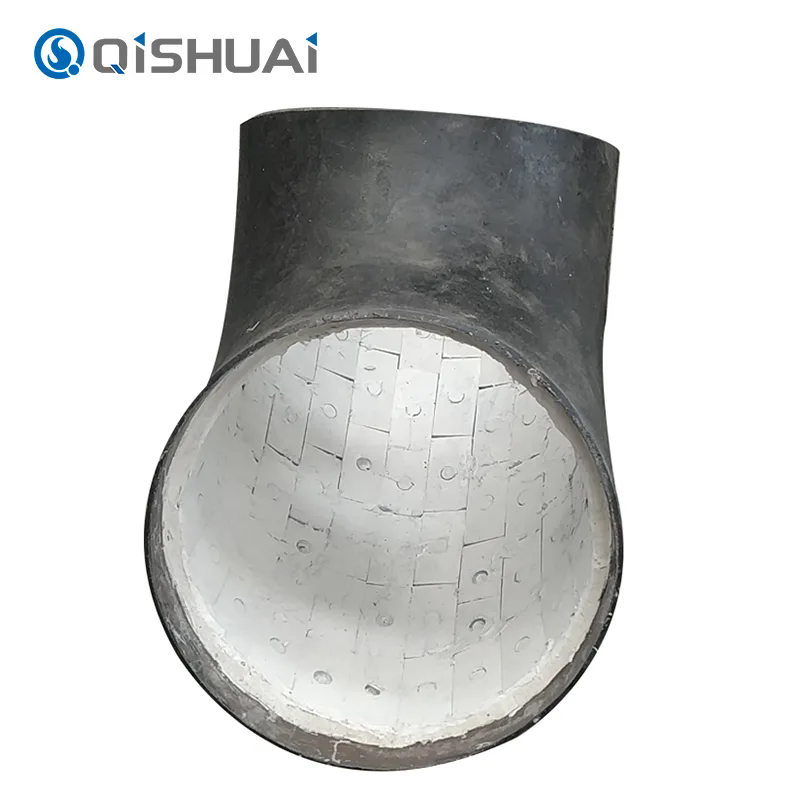
Table of Contents
- 1. What Is Alumina Ceramic Lined Pipe?
- 2. How Does It Work?
- 3. Key Customer Pain Points Solved
- 4. Technical Advantages and Properties
- 5. Application Scenarios
- 6. How to Choose the Right Pipe
- 7. Installation and Maintenance
- 8. Frequently Asked Questions
- 9. Conclusion
1. What Is Alumina Ceramic Lined Pipe?
Alumina ceramic lined pipe is a composite piping system that combines a high-strength steel outer shell with an inner lining made of high-purity alumina ceramic. This structure is specifically designed to withstand extreme abrasion, corrosion, and high-temperature environments.
The inner ceramic layer, typically composed of Al2O3 content above 90%, provides exceptional hardness, while the steel pipe ensures mechanical strength and impact resistance. This combination delivers a durable and reliable solution for transporting abrasive materials such as coal powder, cement, slurry, and mineral ores.
2. How Does It Work?
The working principle of an alumina ceramic lined pipe lies in its layered structure. The ceramic lining acts as the primary wear-resistant barrier, protecting the steel body from direct contact with abrasive materials.
- High hardness of ceramic reduces friction and wear
- Smooth inner surface minimizes material adhesion
- Strong bonding ensures the lining remains intact under impact
- Steel outer layer absorbs mechanical stress
As materials flow through the pipe, the ceramic layer absorbs the abrasive forces, significantly slowing down wear compared to traditional steel pipes.
3. Key Customer Pain Points Solved
Industries dealing with bulk material transportation often face serious operational challenges. Alumina ceramic lined pipes effectively address these issues:
- Frequent Pipe Replacement: Traditional pipes wear out quickly, increasing downtime
- High Maintenance Costs: Continuous repairs raise operational expenses
- Material Leakage: Pipe damage can lead to safety hazards and loss
- Reduced Efficiency: Rough surfaces increase resistance and energy consumption
By using ceramic-lined pipes, companies can achieve longer service intervals, improved reliability, and lower total cost of ownership.
4. Technical Advantages and Properties
| Property | Description |
| Hardness | Up to HRA 85-90, significantly higher than steel |
| Wear Resistance | 10-20 times longer lifespan than standard steel pipes |
| Temperature Resistance | Stable performance up to 1000°C |
| Corrosion Resistance | Resistant to acids and alkalis |
| Surface Smoothness | Reduces friction and improves flow efficiency |
| Bonding Strength | Strong adhesion prevents ceramic detachment |
Shandong Qishuai Wear-Resistant Equipment Co., Ltd. specializes in manufacturing high-performance ceramic lined pipes with strict quality control, ensuring consistent performance even in harsh industrial environments.
5. Application Scenarios
Alumina ceramic lined pipes are widely used across industries where abrasion is a critical concern:
- Mining industry: ore and tailings transport
- Power plants: coal powder and ash handling
- Cement industry: raw material and clinker conveying
- Steel plants: slag and dust transportation
- Chemical plants: corrosive material pipelines
Their adaptability makes them an essential component in modern industrial systems requiring durability and efficiency.
6. How to Choose the Right Pipe
Selecting the appropriate alumina ceramic lined pipe requires evaluating several factors:
- Material Characteristics: Abrasiveness, particle size, and flow rate
- Operating Conditions: Temperature, pressure, and environment
- Ceramic Thickness: Thicker linings offer longer life but increase cost
- Pipe Diameter and Length: Must match system requirements
- Connection Type: Flange, welding, or quick-connect options
Working with experienced manufacturers ensures proper customization and optimal performance.
7. Installation and Maintenance
Proper installation is critical to achieving maximum performance from ceramic lined pipes:
- Ensure alignment to prevent uneven wear
- Use appropriate connectors to avoid stress points
- Avoid impact during transportation and installation
- Conduct periodic inspections for early detection of issues
Maintenance requirements are minimal compared to traditional pipes, but regular monitoring ensures long-term reliability.
8. Frequently Asked Questions
Q1: How long does an alumina ceramic lined pipe last?
Depending on the application, it can last 5 to 10 times longer than conventional steel pipes, significantly reducing replacement frequency.
Q2: Is the ceramic lining prone to cracking?
No. With proper manufacturing and installation, the ceramic lining is highly resistant to impact and thermal stress.
Q3: Can these pipes handle high temperatures?
Yes. Alumina ceramic maintains stability even at elevated temperatures, making it suitable for demanding environments.
Q4: Are they cost-effective?
Although the initial investment is higher, the long lifespan and reduced maintenance costs make them highly cost-effective over time.
9. Conclusion
Alumina ceramic lined pipes represent a powerful solution for industries struggling with wear, corrosion, and inefficiency. Their advanced material composition and structural design provide unmatched durability, helping businesses reduce downtime and optimize operations.
Shandong Qishuai Wear-Resistant Equipment Co., Ltd. offers reliable and high-quality solutions tailored to various industrial applications, ensuring superior performance and long-term value.
If you are looking to upgrade your pipeline system and improve operational efficiency, contact us today to discover customized solutions that meet your exact needs.