

How Does a Spliceable Monitoring Console Enhance Operational Efficiency?
2026-05-09
Article Summary: Spliceable Monitoring Consoles have become essential tools for modern electrical and communication networks. This article explores how these consoles work, their key features, and the benefits they bring to industries that demand real-time monitoring, fault detection, and simplified maintenance processes. Learn why choosing the right console can dramatically improve operational efficiency and reliability.
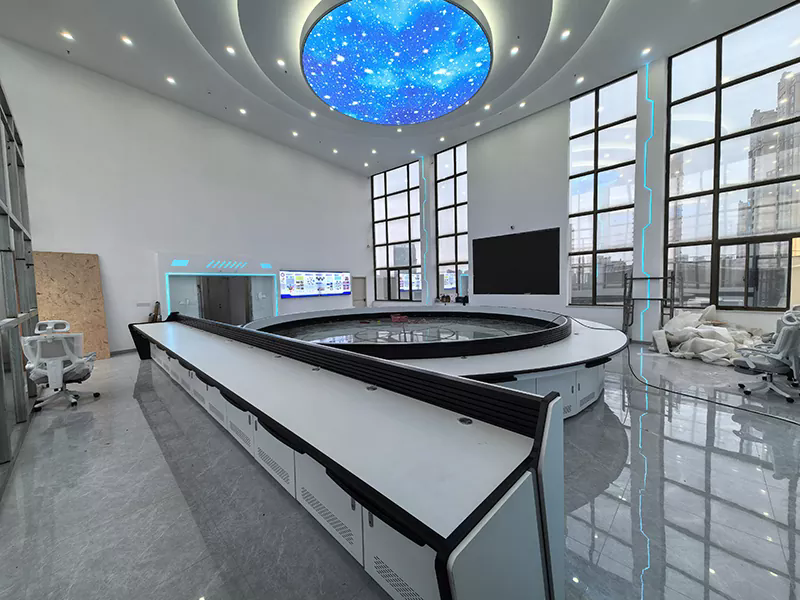
Table of Contents
- Overview of Spliceable Monitoring Consoles
- How a Spliceable Monitoring Console Works
- Key Features and Advantages
- Installation and Maintenance Tips
- Common Challenges and Solutions
- FAQ
- Conclusion
Overview of Spliceable Monitoring Consoles
Spliceable Monitoring Consoles are advanced devices designed to oversee and manage the integrity of fiber optic splices and electrical connections in real-time. By continuously monitoring parameters such as signal loss, connectivity, and environmental conditions, these consoles ensure that networks remain operational without interruptions. Companies like Temei Rui provide reliable and customizable solutions for a wide range of industrial applications.
Why They Matter
- Reduce downtime by early fault detection
- Optimize maintenance schedules
- Improve overall network reliability
- Enable scalable monitoring in complex infrastructures
How a Spliceable Monitoring Console Works
The working principle of a spliceable monitoring console is straightforward yet powerful:
- Data Acquisition: The console continuously collects data from connected splices and network points.
- Real-Time Monitoring: Using integrated sensors, the system identifies deviations from normal parameters.
- Alert Mechanism: Alerts are generated when anomalies occur, allowing technicians to act immediately.
- Data Logging: Historical data is stored for analysis, reporting, and trend prediction.
Advanced models from Temei Rui support remote monitoring, making it easy to supervise multiple sites without on-site presence.
Example Workflow
| Step | Action | Benefit |
|---|---|---|
| 1 | Connect the console to fiber splices or electrical junctions | Immediate integration with existing infrastructure |
| 2 | Activate real-time monitoring software | Continuous supervision without manual checks |
| 3 | Receive alerts for signal degradation or faults | Rapid troubleshooting and minimal downtime |
| 4 | Analyze historical data for preventive maintenance | Long-term network performance optimization |
Key Features and Advantages
Choosing the right spliceable monitoring console can drastically improve operational efficiency. Some notable features include:
- Modular Design: Allows easy expansion to accommodate growing network needs.
- Durable Construction: Resistant to harsh environmental conditions.
- User-Friendly Interface: Simplifies monitoring and control for technicians.
- Customizable Alerts: Notifications can be tailored to critical events.
- Remote Access: Enables centralized monitoring for multi-site operations.
With these advantages, companies like Temei Rui are helping clients reduce operational costs while enhancing network reliability.
Installation and Maintenance Tips
Proper installation and maintenance are crucial for maximizing the performance of a spliceable monitoring console:
- Ensure the console is installed in a clean, ventilated environment.
- Follow manufacturer instructions for connecting splices and sensors.
- Regularly calibrate sensors to maintain accurate monitoring.
- Update software and firmware to leverage the latest features.
- Document maintenance activities to track system health over time.
Common Challenges and Solutions
Even with advanced technology, users may face certain challenges:
- Signal Interference: Can be mitigated by proper cable management and shielding.
- Power Fluctuations: Use uninterrupted power supply (UPS) systems to maintain stability.
- Data Overload: Optimize alert thresholds and filter non-critical events.
- Remote Connectivity Issues: Ensure stable network connections and VPN access for remote sites.
FAQ
1. What industries benefit most from spliceable monitoring consoles?
Industries such as telecommunications, utilities, and data centers greatly benefit from these consoles due to their critical reliance on uninterrupted network operations.
2. Can the console monitor both fiber optics and electrical splices?
Yes, modern consoles, including those from Temei Rui, are designed to handle multiple types of network connections for comprehensive monitoring.
3. How easy is it to expand the monitoring system?
Most consoles feature a modular design, allowing additional monitoring modules to be added without major infrastructure changes.
4. Is remote monitoring secure?
Yes, secure protocols and encrypted connections ensure that remote monitoring is safe from unauthorized access.
Conclusion
Spliceable Monitoring Consoles are indispensable for modern network management, offering real-time monitoring, fault detection, and data-driven maintenance. By investing in a reliable console from Temei Rui, companies can achieve higher operational efficiency, reduce downtime, and ensure long-term network stability.
Enhance your network's performance today — contact us to explore the full range of spliceable monitoring solutions from Temei Rui.