

How Does a Solar Carport Mounting System Work?
2026-01-13
Article Summary: Solar carport mounting systems offer a dual solution: vehicle protection and solar energy generation. This article explains the components, installation, benefits, and considerations of these systems, helping businesses and homeowners understand how to optimize their parking spaces for clean energy production.
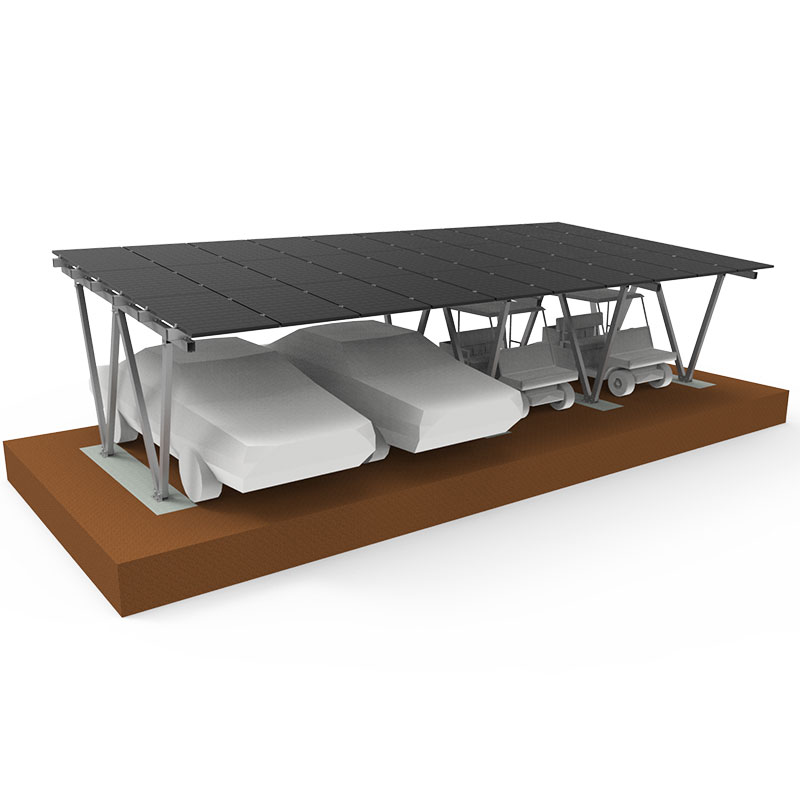
Table of Contents
- Overview of Solar Carport Mounting Systems
- Key Structural Components
- Installation Process
- Benefits of Solar Carports
- Types of Solar Carport Mounting Systems
- Key Considerations for Choosing a System
- FAQs
- Contact CYC Energy
Overview of Solar Carport Mounting Systems
A solar carport mounting system combines traditional carport structures with photovoltaic (PV) panels to create a multifunctional installation. These systems provide shaded parking while simultaneously generating renewable energy, representing an efficient use of underutilized space.
Modern solar carports can be non-waterproof or waterproof, depending on project requirements. The system integrates PV panels above a strong support structure, often made of hot-dip galvanized steel or aluminum alloy, ensuring long-term durability and resistance to corrosion.
Key Structural Components
The main elements of a solar carport mounting system include:
- Main Structure: Typically hot-dip galvanized steel for primary beams, offering more than 25 years of corrosion resistance.
- Secondary Beams: Often made from aluminum alloy for lightweight and corrosion-resistant support of PV panels.
- Foundation: Options include independent concrete foundations, precast ballast blocks, or prestressed pipe piles depending on soil and project needs.
- Tilt Angle Design: Roofs are generally tilted between 5° and 15° to optimize solar power generation and allow for proper drainage.
- Clamps and Fasteners: Secure the panels while allowing for thermal expansion and contraction.
Structural Table Example
| Component | Material | Purpose | Typical Lifespan |
|---|---|---|---|
| Main Structure | Hot-dip galvanized steel | Supports overall system | 25+ years |
| Secondary Beams | Aluminum alloy | Supports PV panels | 20+ years |
| Foundation | Concrete/Ballast/Pipe Pile | System stability | 30+ years |
| Clamps & Fasteners | Stainless steel/Aluminum | Secures PV panels | 20+ years |
Installation Process
Installing a solar carport mounting system involves multiple steps to ensure stability, safety, and maximum energy production:
- Site Assessment: Analyze the parking area, sunlight exposure, and structural requirements.
- Foundation Construction: Depending on soil and design, concrete foundations or ballast blocks are installed.
- Main Structure Assembly: Erect steel or aluminum beams according to engineering specifications.
- PV Panel Mounting: Panels are attached using durable clamps, ensuring proper tilt and alignment.
- Electrical Connection: Panels are connected to inverters and the grid or battery storage system.
- Inspection & Testing: Confirm mechanical stability and electrical output before operational use.
Benefits of Solar Carports
Solar carport mounting systems provide multiple advantages beyond standard parking structures:
- Dual Functionality: Offers vehicle protection and energy generation simultaneously.
- Energy Savings: Reduces electricity costs and promotes sustainable energy use.
- Environmental Impact: Utilizes renewable energy, lowering carbon footprint.
- Revenue Opportunities: Excess energy can be sold back to the grid in some regions.
- Space Efficiency: Converts unused parking areas into functional solar power stations.
Types of Solar Carport Mounting Systems
Different structural designs cater to specific project requirements:
- Non-Waterproof Carport: Basic structures that protect vehicles but are not fully weatherproof.
- Waterproof Carport: Provides full protection from rain and snow while generating electricity.
- Four-Pole Solar Carport: Supports two vehicles side by side, integrating PV panels above efficiently.
- W-Type Solar Carport: Stronger design suitable for heavy loads, snow, and wind resistance.
Key Considerations for Choosing a System
When selecting a solar carport system, evaluate the following factors:
- Local Climate: Wind load, snow load, and rainfall impact the design choice.
- Energy Goals: Estimate required electricity production and PV panel capacity.
- Budget: Material choice and structural complexity affect cost.
- Maintenance: Ensure easy access for cleaning and inspections.
- Integration: Consider connection to grid or battery storage.
FAQs
Q1: How long does a solar carport last?
A1: With high-quality materials such as hot-dip galvanized steel and aluminum alloy, solar carports can last 25–30 years with proper maintenance.
Q2: Can solar carports be installed on existing parking lots?
A2: Yes, most systems can be retrofitted to existing parking areas using appropriate foundation types.
Q3: Are solar carports cost-effective?
A3: They reduce electricity bills, provide shading benefits, and can offer revenue from excess energy, making them a cost-effective long-term investment.
Q4: How do I choose between waterproof and non-waterproof options?
A4: Waterproof carports are ideal for full weather protection, while non-waterproof structures are suitable where only partial coverage is needed.
Contact CYC Energy
CYC Energy specializes in high-quality solar carport mounting systems that combine vehicle protection and renewable energy generation. Transform your parking space into a clean energy station today. Contact us for pricing, custom design options, and detailed project guidance.