
How Does a Snorkeling Set Support Safer and More Enjoyable Underwater Exploration?
2026-01-06
Article Abstract
A snorkeling set is a foundational piece of equipment for underwater surface exploration, widely used in recreational snorkeling, free diving preparation, coastal tourism, and marine observation. This article provides a comprehensive explanation of how a snorkeling set functions, what parameters matter most when evaluating product quality, and how different design elements affect comfort, safety, and usability. Structured around four core thematic nodes, the content addresses real-world usage considerations, frequently asked questions, and future development directions in the snorkeling equipment market. The goal is to offer a technically grounded, reader-friendly reference aligned with search behavior and professional purchasing evaluation standards.
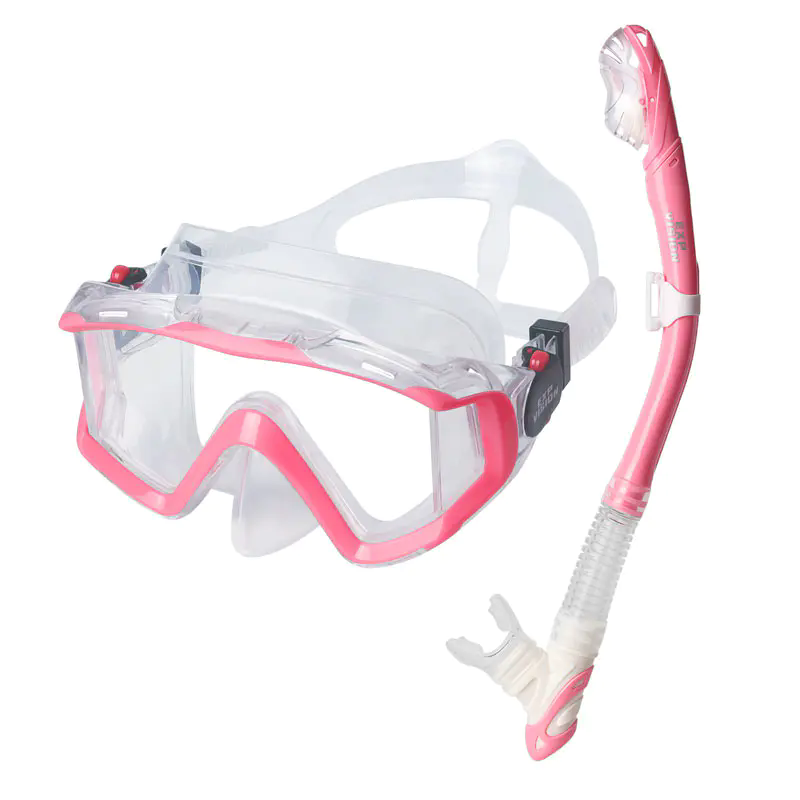
Table of Contents
- How Does a Snorkeling Set Work in Real Underwater Conditions?
- How Should Key Parameters of a Snorkeling Set Be Evaluated?
- How Can Common Usage Questions About Snorkeling Sets Be Answered?
- How Is the Snorkeling Set Market Likely to Evolve?
Outline
- Overview of snorkeling sets and application scenarios
- Technical structure and working principles
- Detailed parameter analysis in a professional format
- Common user questions and practical answers
- Market direction and brand positioning
How Does a Snorkeling Set Work in Real Underwater Conditions?
A snorkeling set typically consists of three integrated components: a mask, a snorkel tube, and a pair of fins. Together, these components enable users to breathe comfortably while floating face-down at the water surface, maintain clear underwater vision, and move efficiently with minimal energy expenditure. The effectiveness of a snorkeling set depends on how well these components function together under varying water conditions such as waves, currents, and temperature changes.
The mask creates an airtight seal around the eyes and nose, forming an internal air pocket that allows clear vision underwater. This seal is maintained by a soft skirt, commonly made from silicone, which adapts to different face shapes. The snorkel tube extends above the water surface, allowing air intake while the face remains submerged. Advanced snorkel designs incorporate splash guards or dry-top mechanisms to reduce water ingress. Fins amplify leg movement, converting small kicks into forward propulsion and improving overall swimming efficiency.
In real-world usage, these components must perform reliably over extended periods. Seal stability, breathing resistance, and hydrodynamic efficiency directly affect user comfort and safety. A well-designed snorkeling set minimizes fogging, reduces jaw fatigue, and supports stable body positioning at the surface, making it suitable for beginners and experienced snorkelers alike.
How Should Key Parameters of a Snorkeling Set Be Evaluated?
Evaluating a snorkeling set requires attention to measurable parameters rather than visual appearance alone. These parameters determine durability, adaptability, and long-term performance across different environments such as tropical reefs, rocky coastlines, and controlled swimming areas.
| Component | Parameter | Technical Description |
|---|---|---|
| Mask | Lens Material | Tempered glass with anti-impact treatment to withstand pressure changes and accidental contact. |
| Mask | Skirt Material | Medical-grade silicone designed for long-term skin contact and flexible sealing. |
| Snorkel | Tube Diameter | Optimized airflow channel balancing low breathing resistance and carbon dioxide clearance. |
| Snorkel | Water Protection System | Splash guard or dry-top valve to limit water entry during surface movement. |
| Fins | Blade Flexibility | Engineered polymer blade designed to provide thrust without excessive muscle strain. |
| Fins | Foot Pocket Design | Ergonomic shape supporting barefoot or neoprene sock use. |
When these parameters are balanced correctly, a snorkeling set delivers consistent performance across multiple sessions. Product evaluation should consider not only individual specifications but also how components interact during movement, breathing, and prolonged wear.
How Can Common Usage Questions About Snorkeling Sets Be Answered?
Below are common questions frequently searched by users evaluating or using a snorkeling set, presented in a concise question-and-answer format.
How should a snorkeling mask be fitted to avoid water leakage?
A proper fit is achieved by placing the mask on the face without using the strap and inhaling gently through the nose. If the mask stays in place, the seal is adequate. Strap tension should remain moderate to avoid facial pressure points.
How can fogging inside the mask be reduced during use?
Fogging is caused by temperature differences and condensation. Applying anti-fog solution or rinsing the lens with diluted soap before use helps maintain clear visibility. Proper ventilation and correct fit also reduce fog buildup.
How long can a snorkeling set be used continuously?
Continuous use depends on physical condition, water temperature, and current strength. For recreational users, sessions of 30 to 60 minutes are common, with breaks recommended to avoid fatigue and dehydration.
How should a snorkeling set be maintained after use?
Rinsing all components with fresh water after each session removes salt, sand, and organic residue. Air drying in a shaded area extends material lifespan and preserves elasticity.
How Is the Snorkeling Set Market Likely to Evolve?
The snorkeling equipment market continues to evolve alongside changes in travel patterns, environmental awareness, and material technology. Increased participation in coastal tourism and water-based leisure activities has driven demand for snorkeling sets that are easier to use, more adaptable, and suitable for a wider demographic range.
Material innovation remains a key development direction. Lightweight composites, improved silicone formulations, and recyclable packaging are increasingly prioritized. Design refinement also focuses on modular compatibility, allowing users to replace individual components without purchasing an entirely new set.
From a branding and distribution perspective, manufacturers such as EXP VISION emphasize consistent quality control, standardized sizing, and globally aligned safety specifications. These factors support long-term market trust and facilitate distribution across different regions and user groups.
For buyers, distributors, and end users seeking reliable snorkeling equipment, understanding technical parameters and real-world usage principles remains essential. For additional product details, customization options, or cooperation inquiries, interested parties are encouraged to contact us directly to explore suitable solutions based on specific application needs.