

How Does a Sheet Metal Shell Improve Product Protection and Manufacturing Efficiency?
2026-08-07
Article Summary
A sheet metal shell is a critical structural component widely used in electronic devices, industrial equipment, automation systems, electrical products, and customized machinery. It provides reliable protection, improves product durability, and creates a professional appearance while supporting efficient manufacturing processes.
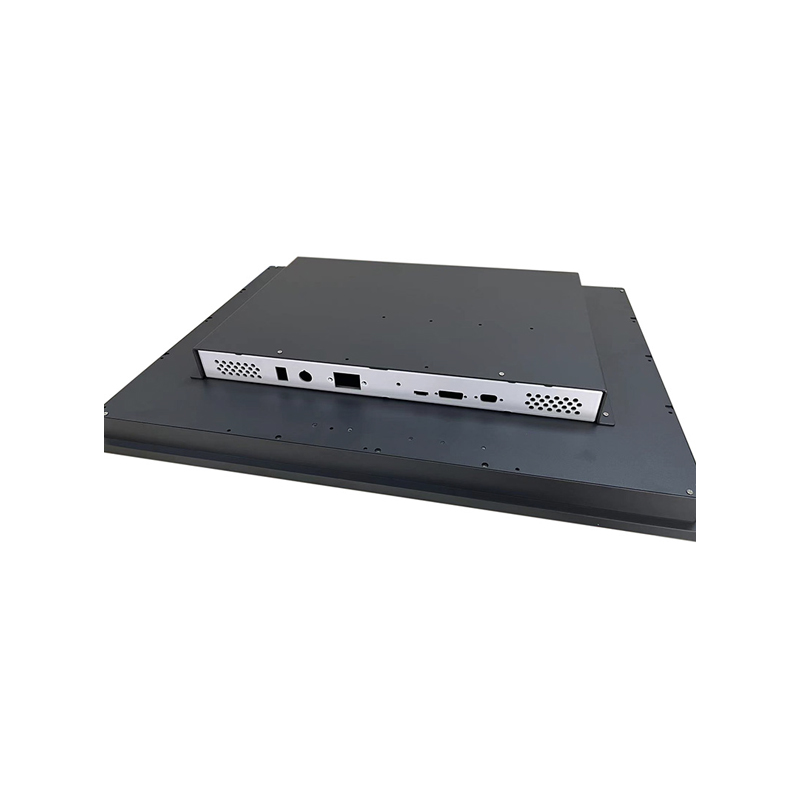
With increasing demands for lightweight structures, heat dissipation, electromagnetic protection, and customized designs, choosing the right sheet metal shell solution has become a major challenge for manufacturers. This article explains how sheet metal shells work, their advantages, common applications, manufacturing processes, and how professional suppliers such as Shenzhen Zhongyilong Hardware Products Co., Ltd. help businesses develop reliable enclosure solutions.
Table of Contents
- 1. What Is a Sheet Metal Shell?
- 2. How Does a Sheet Metal Shell Work?
- 3. What Are the Main Benefits of Using a Sheet Metal Shell?
- 4. How Is a Sheet Metal Shell Manufactured?
- 5. Where Are Sheet Metal Shells Commonly Used?
- 6. How to Choose the Right Sheet Metal Shell Solution?
- 7. Common Challenges and Solutions in Sheet Metal Shell Production
- 8. Frequently Asked Questions About Sheet Metal Shells
1. What Is a Sheet Metal Shell?
A sheet metal shell is a protective enclosure manufactured from metal sheets that are cut, bent, formed, welded, and finished according to specific design requirements. It is commonly made from materials such as aluminum, stainless steel, galvanized steel, and other metal alloys.
Unlike simple protective covers, a sheet metal shell is engineered to provide structural support and environmental protection. It can shield internal components from dust, moisture, impact, vibration, and electromagnetic interference while maintaining proper ventilation and accessibility.
Modern industries require customized sheet metal shells because different products have unique size, performance, and appearance requirements. A well-designed shell not only protects internal parts but also improves product reliability and user experience.
2. How Does a Sheet Metal Shell Work?
The primary function of a sheet metal shell is to create a strong protective barrier around sensitive components. It works through a combination of mechanical strength, material properties, and precision manufacturing.
- Physical Protection: The metal structure prevents damage caused by impact, vibration, and external pressure.
- Environmental Protection: Proper sealing designs help reduce risks from dust, water, and corrosive environments.
- Heat Management: Metal materials naturally provide excellent thermal conductivity, helping transfer heat away from internal components.
- Electromagnetic Shielding: Certain metal shells help reduce electromagnetic interference and improve equipment stability.
- Structural Support: The shell maintains component positioning and improves overall product strength.
For electronic equipment and industrial systems, a properly designed sheet metal shell ensures that internal components can operate safely under demanding conditions.
3. What Are the Main Benefits of Using a Sheet Metal Shell?
Manufacturers select sheet metal shells because they provide a balance between protection, flexibility, cost efficiency, and appearance. The following advantages make them suitable for a wide range of industries.
| Benefit | Description |
|---|---|
| High Durability | Metal materials provide excellent resistance against impact, wear, and long-term use. |
| Custom Design Capability | Manufacturers can create different sizes, shapes, holes, and structures according to product requirements. |
| Excellent Heat Dissipation | Metal construction helps improve thermal management for electronic and industrial equipment. |
| Professional Appearance | Surface treatments create attractive finishes suitable for commercial products. |
| Cost Efficiency | Optimized production methods allow reliable quality with competitive manufacturing costs. |
A high-quality sheet metal shell reduces maintenance costs, extends equipment lifespan, and improves customer satisfaction by providing dependable protection.
4. How Is a Sheet Metal Shell Manufactured?
The production process of a sheet metal shell requires precise engineering and advanced manufacturing technology. Each step influences the final quality, strength, and appearance of the finished product.
- Design and Engineering: Product requirements are analyzed, including dimensions, material selection, installation methods, and functional needs.
- Material Preparation: Metal sheets are selected according to strength, corrosion resistance, weight, and application environment.
- Cutting Process: Laser cutting or other precision cutting methods create accurate shapes and openings.
- Bending and Forming: Professional bending equipment transforms flat sheets into three-dimensional structures.
- Welding and Assembly: Different components are joined together to create a strong and stable enclosure.
- Surface Treatment: Processes such as powder coating, polishing, anodizing, or painting improve appearance and protection.
- Quality Inspection: Finished products are tested for dimensions, strength, surface quality, and functional performance.
Shenzhen Zhongyilong Hardware Products Co., Ltd. focuses on providing customized sheet metal shell solutions by combining professional manufacturing experience with strict quality control processes.
5. Where Are Sheet Metal Shells Commonly Used?
Sheet metal shells are essential in many industries because they provide reliable protection and flexible design options.
- Electronic Equipment: Used for computers, communication devices, control systems, and electrical products.
- Industrial Automation: Protects sensors, controllers, machines, and production equipment.
- Medical Equipment: Provides clean, durable, and easy-to-maintain external structures.
- Power Equipment: Supports electrical cabinets, distribution systems, and control units.
- Transportation Equipment: Protects components used in vehicles and related systems.
As industries continue moving toward intelligent manufacturing and compact equipment designs, demand for customized sheet metal shell solutions continues to grow.
6. How to Choose the Right Sheet Metal Shell Solution?
Selecting the correct sheet metal shell requires careful consideration of application requirements. A suitable solution should match the product's operating environment, mechanical requirements, and design goals.
- Material Selection: Choose materials based on corrosion resistance, strength, weight, and thermal performance.
- Design Accuracy: Ensure precise dimensions and compatibility with internal components.
- Protection Requirements: Consider dustproof, waterproof, and impact resistance needs.
- Production Capability: Select manufacturers with advanced equipment and quality management systems.
- Customization Support: Confirm whether the supplier can provide flexible solutions for unique requirements.
Working with an experienced manufacturer helps avoid design problems, production delays, and unnecessary costs.
7. Common Challenges and Solutions in Sheet Metal Shell Production
| Common Challenge | Effective Solution |
|---|---|
| Incorrect Dimensions | Use precision design software and advanced cutting equipment to improve accuracy. |
| Surface Defects | Apply professional finishing processes and strict inspection standards. |
| Insufficient Strength | Optimize material thickness and structural design. |
| Long Production Time | Improve workflow management and manufacturing efficiency. |
| Limited Customization | Choose suppliers experienced in customized sheet metal fabrication. |
Professional manufacturing partners help businesses overcome these challenges through engineering expertise, production experience, and reliable quality management.
8. Frequently Asked Questions About Sheet Metal Shells
Q1: What materials are commonly used for sheet metal shells?
Common materials include aluminum, stainless steel, galvanized steel, and other metal alloys. The best choice depends on application requirements such as strength, weight, corrosion resistance, and cost.
Q2: Can sheet metal shells be customized?
Yes. Sheet metal shells can be customized in terms of size, shape, thickness, openings, surface finish, and installation structure to meet different product requirements.
Q3: Are sheet metal shells suitable for electronic products?
Yes. They are widely used for electronic products because they provide mechanical protection, heat dissipation, and electromagnetic shielding capabilities.
Q4: How can manufacturers ensure sheet metal shell quality?
Quality can be improved through accurate engineering design, advanced manufacturing equipment, strict inspection procedures, and experienced production teams.
Q5: Why choose Shenzhen Zhongyilong Hardware Products Co., Ltd. for sheet metal shell solutions?
Shenzhen Zhongyilong Hardware Products Co., Ltd. provides professional customized manufacturing services with attention to product quality, precision processing, and customer requirements, helping businesses develop reliable metal enclosure solutions.
Conclusion
A sheet metal shell plays an essential role in protecting modern equipment and improving product performance. From industrial machines and electronic devices to customized commercial products, a well-designed metal enclosure provides durability, safety, and long-term reliability.
Choosing an experienced manufacturing partner ensures better design optimization, stable production quality, and efficient project development. Shenzhen Zhongyilong Hardware Products Co., Ltd. is committed to delivering customized sheet metal shell solutions that meet diverse industrial requirements. For professional support and tailored solutions, contact us today.