

How Does a Motorized Retractable Awning Improve Outdoor Comfort and Shade Control?
2026-03-16
Article Summary
Outdoor spaces such as patios, balconies, terraces, and storefront seating areas are valuable extensions of residential and commercial properties. However, direct sunlight, sudden rain, and unpredictable weather conditions often limit how comfortably these spaces canbe used. A Motorized Retractable Awning provides a practical and flexible solution by delivering adjustable shade and weather protection at the push of a button.
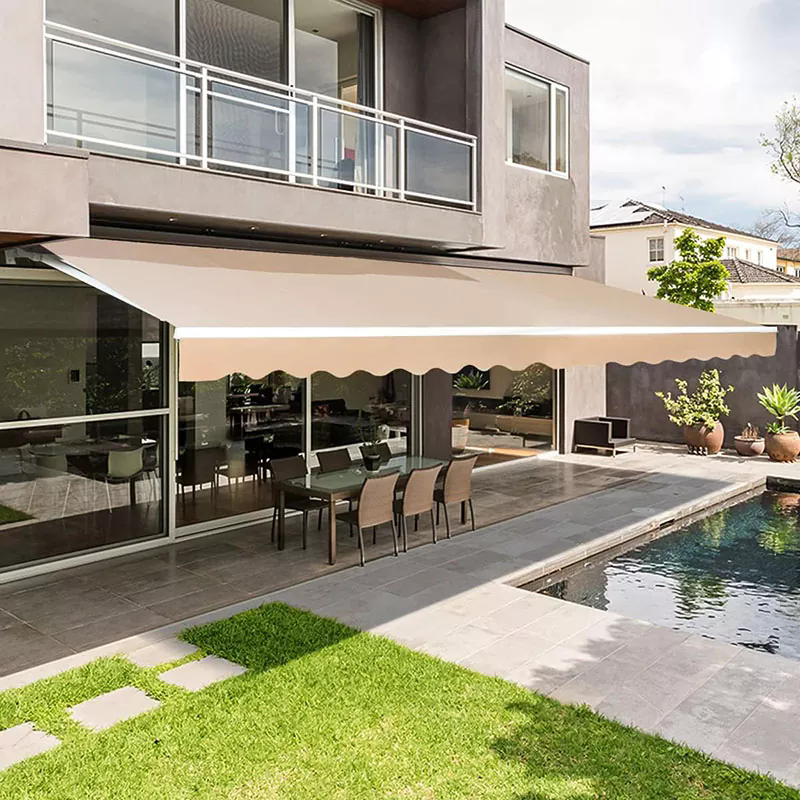
This article explains how motorized retractable awnings work, their structural components, benefits for homeowners and businesses, and key considerations when choosing a system. It also addresses common questions buyers ask when evaluating automated outdoor shading solutions.
Table of Contents
- Introduction to Motorized Retractable Awnings
- How a Motorized Retractable Awning Works
- Main Components of an Electric Awning System
- Key Benefits for Homes and Commercial Properties
- Where Motorized Awnings Are Commonly Installed
- Technical Parameters and Typical Specifications
- How to Choose the Right Awning System
- Maintenance and Longevity Tips
- Frequently Asked Questions
- Conclusion
Introduction to Motorized Retractable Awnings
A motorized retractable awning is an automated shading structure designed to extend and retract using an electric motor. Unlike fixed awnings, retractable models allow users to adjust coverage based on weather conditions and personal comfort. When shade is needed, the awning extends outward to block sunlight. When not in use, it retracts neatly into its housing to protect the fabric and mechanical components.
Modern awning systems are widely used in residential patios, restaurant terraces, hotel balconies, and storefront entrances. They provide a balance between sun protection and architectural flexibility, making them a preferred solution for enhancing outdoor environments without permanent structural changes.
Manufacturers such as Vionta focus on durable metal structures and advanced automation technology to ensure smooth operation, long service life, and reliable weather resistance.
How a Motorized Retractable Awning Works
The operating principle behind a motorized retractable awning is relatively straightforward. An electric motor installed within the awning tube drives the extension or retraction of the fabric-covered arms. Users can control the movement through a wall switch, remote control, or smart automation system.
When activated, the motor rotates the roller tube, causing the fabric to either unroll or roll back into the protective cassette. At the same time, articulated arms extend outward to maintain tension across the fabric, creating a stable shaded surface.
Many modern systems also integrate environmental sensors that automatically retract the awning during strong winds or extend it during intense sunlight. This automated response improves safety and reduces manual intervention.
Main Components of an Electric Awning System
A typical motorized retractable awning consists of several mechanical and electrical components working together to deliver smooth performance.
- Electric Motor – The driving mechanism responsible for extending and retracting the awning.
- Roller Tube – A cylindrical shaft that stores the awning fabric.
- Articulated Arms – Folding arms that support the extended awning and maintain tension.
- Awning Fabric – Weather-resistant textile designed to block UV rays and withstand outdoor exposure.
- Cassette Housing – Protective enclosure that shields the fabric and internal parts when retracted.
- Control System – Includes switches, remote controls, or smart home integration.
The combination of these elements allows the awning to operate quietly, efficiently, and reliably across a wide range of outdoor environments.
Key Benefits for Homes and Commercial Properties
Motorized retractable awnings offer multiple functional and economic advantages. Property owners increasingly adopt them as part of outdoor design and energy-saving strategies.
-
Instant Shade Control
Users can easily adjust the amount of shade with a remote control or automated sensor. -
Improved Outdoor Comfort
By blocking direct sunlight, awnings significantly reduce heat and glare. -
Energy Efficiency
Reducing solar heat entering through windows can lower indoor cooling requirements. -
Weather Protection
They provide protection from light rain and sun exposure. -
Enhanced Property Aesthetics
Modern awnings complement architectural design and improve outdoor visual appeal. -
Extended Outdoor Living Space
Patios and terraces become usable for longer periods during the day.
Where Motorized Awnings Are Commonly Installed
Motorized retractable awnings are versatile and adaptable to different architectural environments.
- Residential patios and backyard decks
- Apartment balconies
- Restaurant outdoor seating areas
- Hotel terraces
- Retail storefront entrances
- Cafés and sidewalk dining areas
Because they retract when not needed, they help maintain building aesthetics while providing flexible sun protection.
Technical Parameters and Typical Specifications
Before purchasing an awning system, buyers typically review key technical specifications related to size, materials, and operational capacity.
| Parameter | Description |
| Maximum Width | Typically ranges from 3 m to 12 m depending on structural design |
| Projection Length | Commonly between 2 m and 4 m |
| Frame Material | Powder-coated aluminum or reinforced steel |
| Fabric Material | UV-resistant acrylic or polyester fabric |
| Motor Voltage | 110V or 220V electric motor |
| Wind Resistance | Engineered for moderate outdoor wind conditions |
| Control Options | Remote control, wall switch, smart automation |
How to Choose the Right Awning System
Selecting the right motorized retractable awning involves evaluating several practical factors.
-
Installation Space
Measure the available wall area and determine the desired projection distance. -
Motor Quality
High-quality motors ensure quieter operation and longer lifespan. -
Fabric Durability
UV-resistant and waterproof materials improve long-term performance. -
Wind Sensors
Automatic wind sensors can protect the awning by retracting it during storms. -
Structural Strength
Reinforced aluminum frames provide better stability and corrosion resistance.
Working with experienced manufacturers such as Vionta can help ensure reliable engineering and consistent product quality.
Maintenance and Longevity Tips
Proper maintenance extends the lifespan of motorized awnings and ensures smooth operation.
- Clean the fabric periodically to remove dust and debris.
- Retract the awning during strong winds or storms.
- Inspect mechanical joints and arms annually.
- Ensure electrical components remain dry and protected.
- Lubricate moving parts when recommended by the manufacturer.
With appropriate care, a high-quality awning system can remain functional for many years while maintaining its visual appearance.
Frequently Asked Questions
Q1: Can a motorized retractable awning operate during light rain?
Yes. Most awnings can handle light rain when properly angled for water runoff. However, they should be retracted during heavy rainfall or storms.
Q2: How long does a motorized awning typically last?
With proper installation and maintenance, many systems can last 10–15 years or longer, depending on material quality and environmental conditions.
Q3: Is professional installation necessary?
Professional installation is recommended because the awning must be securely mounted and properly aligned to ensure safe operation.
Q4: Can the awning be integrated with smart home systems?
Many modern awnings support smart controls, allowing operation through mobile apps or home automation platforms.
Conclusion
A Motorized Retractable Awning provides an effective and flexible solution for controlling sunlight, improving outdoor comfort, and enhancing property value. With advanced automation, durable materials, and adjustable coverage, these systems allow homeowners and businesses to make better use of patios, balconies, and outdoor seating areas.
As demand for functional outdoor spaces continues to grow, reliable awning systems designed by manufacturers such as Vionta play an increasingly important role in modern architectural design.
If you are exploring high-quality motorized retractable awning solutions for residential or commercial projects, the experienced team at Vionta is ready to help. For product details, customization options, or technical consultation, contact us to discuss how the right shading system can enhance your outdoor environment.
