

How Does a Monitoring Console Improve Operational Visibility?
2026-02-25
Abstract: In today’s complex digital and industrial environments, operational visibility is the cornerstone of reliability and performance. A Monitoring Console plays a pivotal role in aggregating data, surfacing insights, and enabling rapid action. This article explores common challenges faced by organizations, explains how a monitoring console addresses these issues, and presents practical guidance on implementation, best practices, and measurable benefits.
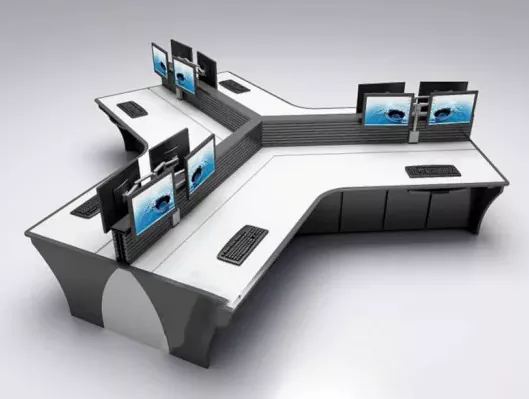
Table of Contents
- Operational Visibility Challenges
- Monitoring Console Solution Overview
- Core Features and Capabilities
- Best Practices for Implementation
- Business Benefits
- Frequently Asked Questions
- Conclusion & Contact
Operational Visibility Challenges
Before introducing monitoring tools, many organizations struggle with the following pain points:
- Fragmented Data Sources: Data siloed across systems prevents a unified view of performance.
- Delayed Response to Issues: Without real-time alerts, incidents escalate before detection.
- Limited Insight into Trends: Historical performance data is difficult to access and analyze.
- Resource Constraints: Manual monitoring drains human resources and increases error risk.
These challenges often lead to system downtime, reduced efficiency, and higher operational costs. A monitoring console consolidates critical system data into an actionable interface.
Monitoring Console Solution Overview
A Monitoring Console is a centralized interface designed to collect, visualize, and alert based on system metrics, logs, and performance indicators. It integrates with diverse data sources and displays results through customizable dashboards and alerts.
The core purpose of a monitoring console is to enhance operational transparency across:
- Network infrastructures
- Application performance layers
- Security and compliance signals
- Industrial control systems
By centralizing visibility and automating alerting, teams can prioritize issues and make data-driven decisions quickly.
Core Features and Capabilities
The value of a Monitoring Console is defined by its capabilities. Below is a breakdown of essential features commonly offered:
| Feature | Description | Operational Impact |
|---|---|---|
| Real-Time Dashboards | Visual displays of live data streams | Immediate awareness of performance deviations |
| Alert Rules & Notifications | Threshold-based triggers to notify stakeholders | Fast response to critical issues |
| Historical Trend Analysis | Retention and visualization of past metrics | Supports optimization and capacity planning |
| Custom Reports | Exportable insights tailored to teams | Better communication and compliance readiness |
Best Practices for Implementation
An effective monitoring console deployment relies on strategy and planning:
- Define Clear Objectives: Identify what needs visibility, e.g., uptime, latency, throughput.
- Select Relevant Metrics: Avoid noise by focusing on meaningful indicators.
- Configure Alerts Thoughtfully: Use tiered alerting to reduce fatigue.
- Regular Dashboard Reviews: Ensure dashboards evolve with business needs.
- Train Stakeholders: Provide internal training to derive maximum value from the tool.
Above all, circle back regularly to assess whether the console supports evolving operational priorities.
Business Benefits
Organizations that leverage a monitoring console experience measurable improvements:
- Increased Uptime: Faster detection and remediation reduce outages.
- Improved Efficiency: Automated monitoring frees staff for strategic work.
- Data-Driven Decisions: Trends and insights guide optimization.
- Enhanced Collaboration: Shared dashboards align teams around performance goals.
These outcomes directly contribute to better customer satisfaction and lower operational risk.
Frequently Asked Questions
Q1: What types of systems can a monitoring console support?
A monitoring console can integrate with servers, cloud services, networks, applications, security tools, and industrial hardware, depending on the connectors available.
Q2: Is a monitoring console suitable for small businesses?
Yes. Scalable monitoring solutions exist that fit the needs and budgets of small organizations while offering core visibility features.
Q3: How does alerting improve operational outcomes?
Alerts notify stakeholders about anomalies in real time so that corrective actions occur before issues impact users or workflows.
Q4: What should I monitor first?
Start with key performance indicators tied to your business mission, such as application responsiveness, system availability, or throughput.
Conclusion & Contact
Operational visibility is no longer a luxury — it is essential to maintain reliability, optimize performance, and reduce risk. A robust Monitoring Console equips your organization with the tools required to transform raw data into actionable insights. Whether you’re monitoring networks, applications, or complex systems, a centralized monitoring approach enhances transparency and decision-making.
If you’re exploring a solution that delivers real-time insight, actionable alerts, and customizable dashboards, Temei Rui offers advanced monitoring console solutions designed for diverse operational environments. Transform your visibility challenges into opportunities for improvement — contact us today to discuss how we can support your organization’s monitoring needs.