

How Does a Hub Center Ring Improve Wheel Fitment and Driving Stability?
2026-03-13
Article Summary
Many drivers upgrade wheels for aesthetics or performance, but improper wheel fitment can lead to vibration, instability, and long-term component wear. A Hub Center Ring plays a critical role in ensuring that aftermarket wheels align perfectly with the vehicle’s hub. This article explains how hub center rings work, why they are necessary, how to select the correct size, and how they improve driving safety and wheel longevity.
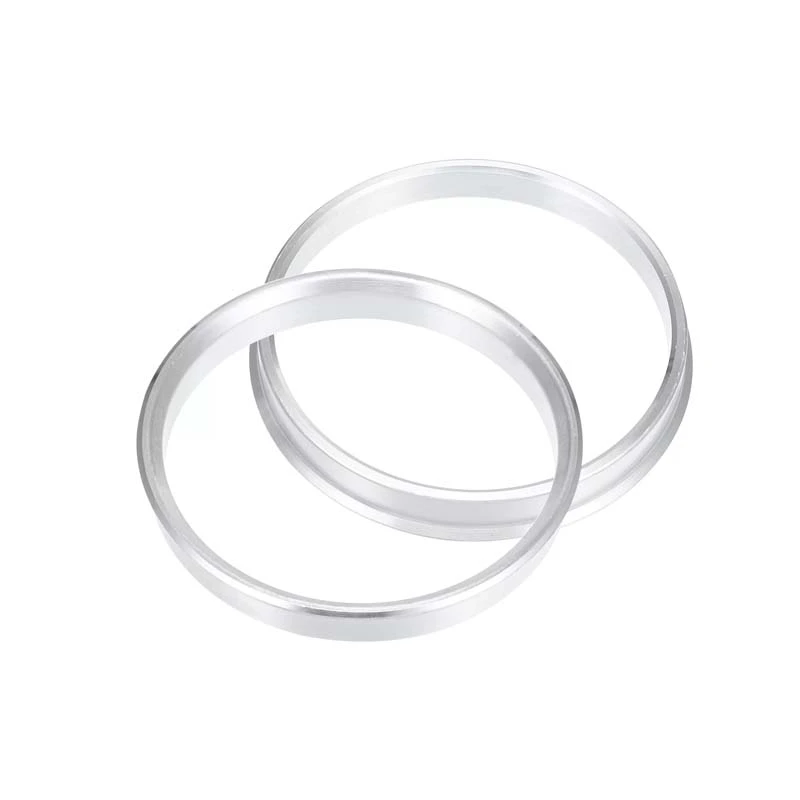
Table of Contents
- 1. Introduction to Hub Center Rings
- 2. How a Hub Center Ring Works
- 3. Common Problems Without a Hub Center Ring
- 4. Materials and Design Features
- 5. How to Choose the Correct Hub Center Ring
- 6. Hub Center Ring Specifications
- 7. Installation Process
- 8. Advantages for Vehicle Performance
- 9. Frequently Asked Questions
- 10. Conclusion
Outline
- Definition and function of hub center rings
- Wheel hub alignment principles
- Impact on driving comfort and stability
- Material comparison and durability
- Selection and installation guidance
1. Introduction to Hub Center Rings
Modern vehicles are designed with precise wheel hub diameters to ensure proper wheel alignment. However, many aftermarket wheels are manufactured with larger center bores to fit a wider range of vehicles. This design flexibility often creates a gap between the wheel center bore and the vehicle hub.
A Hub Center Ring fills this gap by acting as an adapter that centers the wheel perfectly on the hub. This ensures the wheel rotates evenly and prevents unnecessary vibration while driving.
Professional manufacturers such as Ningbo Junwei Auto Parts Co., Ltd. produce hub center rings with strict dimensional accuracy to guarantee compatibility with various wheel and vehicle combinations.
2. How a Hub Center Ring Works
The function of a hub center ring is based on a concept known as hub-centric wheel alignment. In a hub-centric system, the vehicle hub carries the weight of the wheel and ensures it remains centered during rotation.
When aftermarket wheels have a larger center bore than the hub, the wheel becomes lug-centric, meaning the lug nuts must hold the wheel in position. This can lead to uneven alignment.
A hub center ring restores hub-centric positioning by filling the space between the hub and the wheel bore.
Working Principle:
- Reduces the diameter difference between wheel bore and hub.
- Centers the wheel precisely during installation.
- Allows lug nuts to secure the wheel without bearing centering loads.
- Ensures smooth rotation and balanced driving.
3. Common Problems Without a Hub Center Ring
Many vehicle owners overlook hub center rings during wheel upgrades. Without them, several issues may arise.
- Steering wheel vibration at high speeds
- Uneven tire wear
- Wheel imbalance despite proper tire balancing
- Increased stress on lug bolts
- Reduced driving comfort
These issues can be particularly noticeable at highway speeds where even slight misalignment becomes amplified.
4. Materials and Design Features
Hub center rings are typically manufactured from two primary materials: plastic (polycarbonate or ABS) and aluminum alloy.
| Material | Advantages | Applications |
| Polycarbonate / ABS Plastic | Lightweight, corrosion resistant, cost-effective | Daily driving and standard vehicles |
| Aluminum Alloy | High temperature resistance, durable | Performance vehicles and racing applications |
| Anodized Aluminum | Improved corrosion resistance and precision | Premium aftermarket wheel installations |
Both materials provide excellent centering capability, but aluminum versions are often chosen for high-performance environments due to their durability.
5. How to Choose the Correct Hub Center Ring
Selecting the right hub center ring requires two key measurements:
- Vehicle hub diameter
- Wheel center bore diameter
The outer diameter of the hub center ring must match the wheel bore, while the inner diameter must match the vehicle hub.
Example Selection:
| Vehicle Hub Size | Wheel Bore Size | Required Ring Size |
| 57.1 mm | 73.1 mm | 73.1 → 57.1 mm |
| 66.6 mm | 73.1 mm | 73.1 → 66.6 mm |
| 60.1 mm | 72.6 mm | 72.6 → 60.1 mm |
Precision manufacturing is essential. Even a small dimensional error can affect wheel alignment and driving smoothness.
6. Hub Center Ring Specifications
High-quality hub center rings typically include the following specifications:
| Parameter | Description |
| Inner Diameter | Matches vehicle hub size |
| Outer Diameter | Matches wheel center bore |
| Material | Plastic, ABS, polycarbonate, or aluminum |
| Temperature Resistance | Designed to withstand brake heat |
| Manufacturing Precision | High tolerance accuracy for perfect fit |
Manufacturers such as Ningbo Junwei Auto Parts Co., Ltd. apply strict machining and molding standards to ensure long-lasting performance and consistent fitment.
7. Installation Process
Installing a hub center ring is simple and requires only a few steps.
- Clean the vehicle hub surface to remove rust or debris.
- Insert the hub center ring into the wheel’s center bore.
- Ensure the ring sits flush and evenly.
- Mount the wheel onto the vehicle hub.
- Tighten lug nuts using a cross pattern.
Proper installation ensures the wheel remains perfectly centered and prevents vibration issues.
8. Advantages for Vehicle Performance
Although hub center rings are small components, they provide significant benefits.
- Improved driving stability
- Reduced steering wheel vibration
- Better wheel alignment
- Extended tire lifespan
- Enhanced safety during high-speed driving
For drivers who frequently install aftermarket wheels, hub center rings are an essential component that ensures both safety and comfort.
9. Frequently Asked Questions
Q1: Are hub center rings necessary for all aftermarket wheels?
Not always. If the wheel center bore exactly matches the vehicle hub diameter, a hub center ring is not required. However, most aftermarket wheels have larger bores, making hub rings necessary for proper alignment.
Q2: Can hub center rings affect wheel balancing?
Yes. Without proper centering, wheel balancing may not eliminate vibration completely. A correctly sized hub center ring ensures accurate wheel positioning.
Q3: Do plastic hub center rings melt under heat?
High-quality plastic hub rings are designed to withstand the heat generated by braking systems and normal driving conditions.
Q4: Can I reuse hub center rings?
Yes, as long as they are not damaged or deformed. It is recommended to inspect them during wheel changes.
10. Conclusion
Wheel upgrades can enhance both the appearance and performance of a vehicle, but proper fitment is essential. A Hub Center Ring ensures that aftermarket wheels align perfectly with the vehicle hub, eliminating vibration and improving driving stability.
By selecting the correct dimensions and using precision-manufactured products, drivers can achieve smoother rides, longer tire life, and safer vehicle operation. High-quality hub center rings produced by Ningbo Junwei Auto Parts Co., Ltd. are engineered for accuracy, durability, and compatibility with a wide range of vehicles and wheel designs.
If you are looking for reliable wheel fitment solutions or want to learn more about hub center rings, contact us today. Our team is ready to provide professional support, product recommendations, and customized solutions for your automotive needs.