Article Summary
Modern architectural projects require solutions that combine aesthetics, energy efficiency, structural reliability, and long-term durability. A Hidden Frame Curtain Wall Profile has become an essential component for contemporary glass façade systems because it provides a clean exterior appearance while maintaining excellent wind resistance, thermal performance, and installation flexibility. This article explains how hidden frame curtain wall profiles work, why architects and contractors choose them, and how they solve common challenges in commercial and high-end building projects.
With advanced aluminum processing technology and strict quality control, Xinyi Aluminum provides professional aluminum profile solutions designed to meet different curtain wall requirements. Understanding the advantages, applications, and selection methods of hidden frame curtain wall profiles can help developers, designers, and construction professionals make better decisions for their projects.
Article Outline
-
Understanding the structure and function of hidden frame curtain wall profiles
-
Analyzing performance advantages for modern architecture
-
Comparing hidden frame and traditional curtain wall solutions
-
Exploring applications in different building environments
-
Providing practical guidance for profile selection and maintenance
1. What Is a Hidden Frame Curtain Wall Profile?
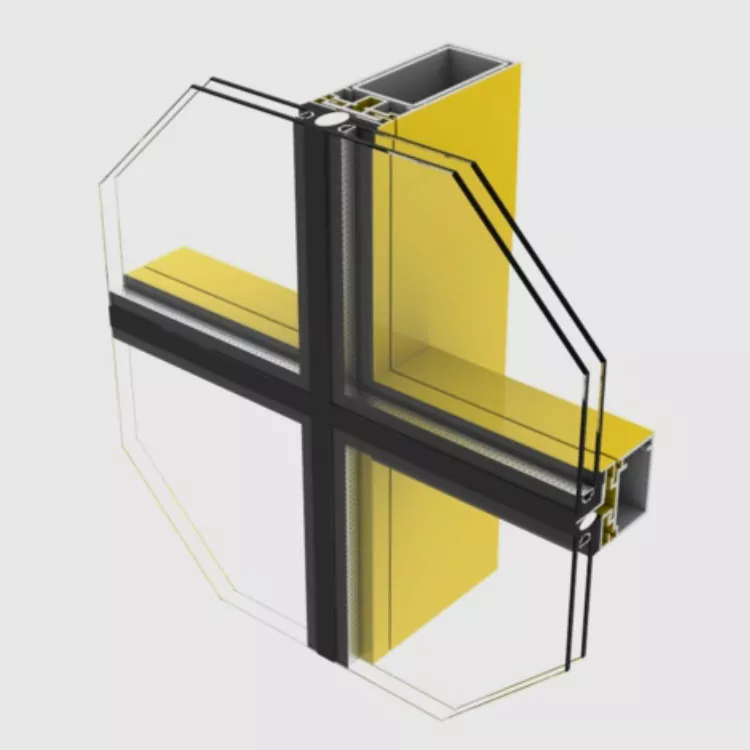
A Hidden Frame Curtain Wall Profile is a specially designed aluminum profile system used in glass curtain wall construction where the supporting aluminum frame remains concealed behind the glass panels. Unlike exposed frame systems where aluminum lines are visible from the exterior, hidden frame curtain walls create a smooth and uninterrupted glass surface.
The system usually consists of aluminum profiles, glass panels, structural silicone sealants, connectors, fasteners, and supporting components. The aluminum profile acts as the structural foundation, providing strength and stability while allowing architects to achieve a minimalist appearance.
In modern commercial buildings, appearance is not the only consideration. Buildings must also withstand environmental pressure, reduce energy consumption, and provide comfortable indoor spaces. Therefore, the design of hidden frame curtain wall profiles focuses on balancing visual quality with practical performance.
2. How Does a Hidden Frame Curtain Wall Profile Work?
A hidden frame curtain wall profile works through a combination of mechanical support and adhesive bonding technology. The aluminum frame is installed behind the glass, and special structural silicone is used to securely connect the glass panels with the supporting framework.
|
Component
|
Function
|
|
Aluminum Profile
|
Provides structural strength and supports the curtain wall system.
|
|
Glass Panel
|
Creates the building exterior surface and provides natural lighting.
|
|
Structural Silicone
|
Ensures strong bonding between glass and aluminum framework.
|
|
Sealing System
|
Improves waterproof and air-tight performance.
|
|
Connection Accessories
|
Maintain installation stability and safety.
|
The hidden design allows the exterior surface to appear continuous while the internal structure carries the necessary loads. This approach provides architects with greater freedom when designing modern glass façades.
3. What Problems Can Hidden Frame Curtain Wall Profiles Solve?
Many construction projects face challenges such as complex façade requirements, energy efficiency demands, installation difficulties, and long-term maintenance concerns. Hidden frame curtain wall profiles provide effective solutions for these issues.
-
Improved Architectural Appearance: The concealed aluminum structure creates a clean glass surface without visible frame interruptions.
-
Better Energy Efficiency: High-quality aluminum profiles can be combined with thermal insulation designs to reduce heat transfer.
-
Enhanced Weather Resistance: Professional sealing structures help prevent water leakage and air infiltration.
-
Flexible Design Options: Different profile sizes and configurations can meet various architectural requirements.
-
Long Service Life: Aluminum offers excellent corrosion resistance and maintains performance in different climates.
4. Key Features of High-Quality Hidden Frame Curtain Wall Profiles
Selecting reliable curtain wall profiles is essential because the quality of aluminum components directly affects the safety and durability of the entire façade system.
|
Feature
|
Benefits
|
|
High-Strength Aluminum Alloy
|
Provides excellent load-bearing capacity and structural stability.
|
|
Precision Manufacturing
|
Ensures accurate installation and reduces construction problems.
|
|
Surface Treatment Options
|
Improves appearance and protects against corrosion.
|
|
Thermal Break Technology
|
Helps improve insulation performance.
|
|
Customized Profiles
|
Allows solutions for unique building designs.
|
Xinyi Aluminum focuses on providing aluminum profile solutions that meet diverse architectural needs. Through advanced manufacturing processes and professional expertise, the company supports customers with reliable curtain wall profile products.
5. Hidden Frame Curtain Wall Profile vs Traditional Curtain Wall Systems
|
Comparison
|
Hidden Frame Curtain Wall Profile
|
Traditional Exposed Frame System
|
|
Appearance
|
Smooth glass façade with minimal visible lines
|
Visible aluminum frame structure
|
|
Design Flexibility
|
Suitable for modern minimalist architecture
|
More traditional appearance
|
|
Maintenance
|
Requires professional installation and inspection
|
Easier access to visible frames
|
|
Visual Effect
|
Premium and seamless exterior design
|
More segmented façade appearance
|
The choice between different curtain wall systems depends on project requirements, architectural style, budget, and performance expectations. Hidden frame solutions are especially suitable for projects where appearance and advanced façade design are important.
6. Where Are Hidden Frame Curtain Wall Profiles Commonly Used?
Hidden frame curtain wall profiles are widely applied in modern construction projects due to their combination of beauty and functionality.
-
Commercial office buildings
-
Shopping centers and retail complexes
-
Hotels and luxury resorts
-
Airport terminals
-
High-rise residential buildings
-
Public cultural buildings
-
Modern industrial facilities
These applications require façades that provide both visual impact and reliable protection against outdoor conditions.
7. How to Select the Right Hidden Frame Curtain Wall Profile?
Choosing the correct profile requires careful consideration of project conditions and performance requirements. Buyers should evaluate several important factors before making a decision.
-
Check Material Quality: Ensure the aluminum alloy provides sufficient strength and durability.
-
Consider Building Location: Climate conditions influence requirements for waterproofing, insulation, and corrosion resistance.
-
Evaluate Customization Capability: Different projects may require special profile dimensions and structures.
-
Review Manufacturing Experience: Experienced suppliers can provide better technical support and product consistency.
-
Confirm Quality Standards: Reliable production processes help reduce installation risks.
8. Maintenance Tips for Long-Term Curtain Wall Performance
Although aluminum curtain wall systems are durable, regular maintenance helps extend service life and maintain appearance.
-
Inspect sealing materials periodically to prevent water penetration.
-
Clean glass and aluminum surfaces using suitable methods.
-
Check connection components for signs of loosening.
-
Repair damaged surface coatings promptly.
-
Schedule professional inspections for large-scale buildings.
9. Frequently Asked Questions
Q1: Why are hidden frame curtain wall profiles popular in modern buildings?
Hidden frame curtain wall profiles provide a seamless glass appearance while maintaining structural reliability, making them ideal for contemporary architectural designs.
Q2: Are hidden frame curtain wall profiles strong enough for high-rise buildings?
Yes. When properly designed and manufactured, hidden frame curtain wall systems can provide excellent resistance against wind pressure and environmental loads.
Q3: Can hidden frame curtain wall profiles be customized?
Yes. Professional aluminum manufacturers can customize profile dimensions, finishes, and structures according to project requirements.
Q4: What materials are commonly used for hidden frame curtain wall systems?
Aluminum alloy profiles, glass panels, structural silicone, and specialized accessories are commonly used to create a complete system.
Q5: How long can hidden frame curtain wall systems last?
With proper material selection, installation, and maintenance, high-quality curtain wall systems can provide reliable performance for many years.
10. Conclusion
A Hidden Frame Curtain Wall Profile plays an important role in modern architectural development by combining elegant appearance with structural performance. It helps solve common building challenges related to aesthetics, energy efficiency, weather resistance, and long-term reliability.
For architects, contractors, and developers seeking dependable aluminum curtain wall solutions, choosing an experienced manufacturer is essential. Xinyi Aluminum provides professional hidden frame curtain wall profile solutions designed to support high-quality building projects with precision manufacturing and reliable performance.
If you are planning a modern façade project and need customized aluminum profile solutions, contact Xinyi Aluminum today for professional support and high-performance products. Contact us to discuss your project requirements and discover the right curtain wall profile solution.