

How Does a Heavy Duty Encoder Improve Industrial Motion Control Performance?
2026-08-14
Article Summary
In modern industrial automation, accurate motion feedback is essential for improving machine efficiency, reducing downtime, and maintaining production quality. A Heavy Duty Encoder is designed to operate in demanding environments where standard encoders may fail due to vibration, shock, dust, temperature changes, or continuous operation. This article explains how Heavy Duty Encoders work, why they are important for industrial applications, how to choose the right solution, and how they help manufacturers overcome common automation challenges.
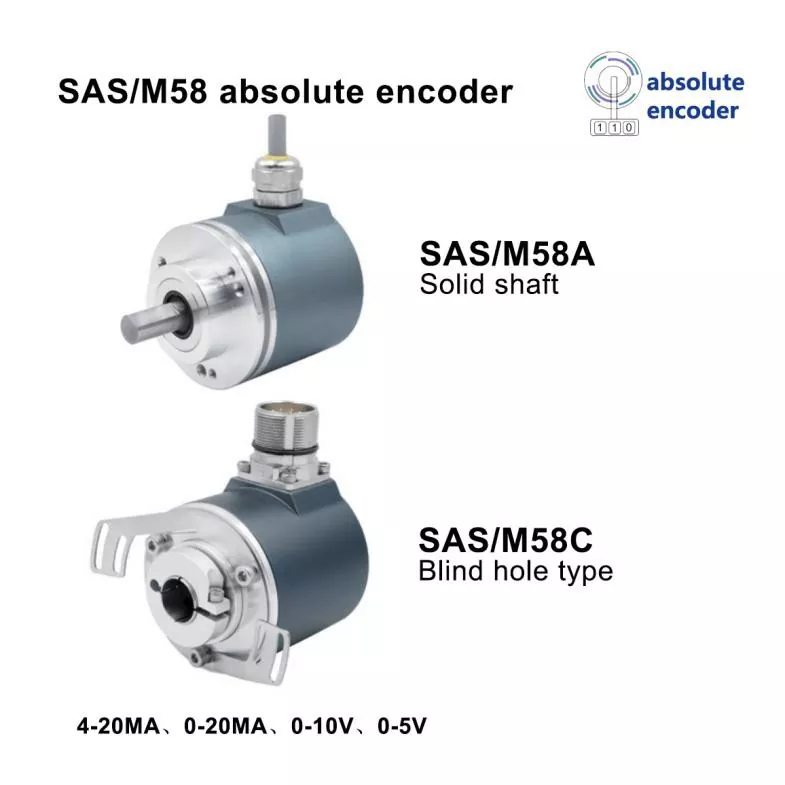
Jingyue Kunshan Automation Technology Ltd. provides advanced motion control solutions, including encoder technologies designed to meet the requirements of precision automation systems. By combining reliable feedback performance with industrial durability, Heavy Duty Encoders help customers achieve stable operation and higher productivity.
Table of Contents
- What Is a Heavy Duty Encoder?
- How Does a Heavy Duty Encoder Work?
- Why Are Heavy Duty Encoders Important for Industrial Applications?
- How to Choose the Right Heavy Duty Encoder?
- Where Are Heavy Duty Encoders Used?
- Heavy Duty Encoder vs Standard Encoder
- Maintenance Tips for Long-Term Encoder Performance
- Frequently Asked Questions
What Is a Heavy Duty Encoder?
A Heavy Duty Encoder is a specialized feedback device designed to measure the position, speed, and direction of rotating equipment in harsh industrial environments. Unlike conventional encoders that are mainly used in clean and controlled conditions, Heavy Duty Encoders are built with stronger mechanical structures and enhanced protection features to handle challenging operating conditions.
Industrial equipment such as CNC machines, steel processing systems, robotics, wind turbines, lifting equipment, and automated production lines often experience continuous vibration, mechanical impact, temperature fluctuations, and contamination from oil or dust. A Heavy Duty Encoder provides reliable feedback signals even under these demanding conditions.
Jingyue Kunshan Automation Technology Ltd. focuses on developing automation components that support high-precision motion control. Its encoder solutions are designed to help industrial users achieve accurate positioning and dependable system operation.
How Does a Heavy Duty Encoder Work?
The operating principle of a Heavy Duty Encoder is based on converting mechanical movement into electrical signals that a control system can understand. When the shaft of the encoder rotates, internal sensing components detect movement changes and generate feedback signals.
These signals are transmitted to a servo drive, PLC, or motion controller, allowing the automation system to adjust motor speed, position, and torque in real time.
| Component | Function |
|---|---|
| Encoder Shaft | Connects with rotating machinery and transfers mechanical movement. |
| Sensing Element | Detects rotational position and movement changes. |
| Signal Processing Unit | Converts detected information into usable electrical signals. |
| Protective Housing | Provides resistance against dust, vibration, impact, and environmental damage. |
Depending on the application requirements, Heavy Duty Encoders may use incremental or absolute measurement technologies. Incremental models provide speed and position change information, while absolute models can maintain accurate position data even after power interruptions.
Why Are Heavy Duty Encoders Important for Industrial Applications?
Industrial automation systems depend on accurate feedback. Without reliable position information, motors may experience positioning errors, reduced efficiency, or unexpected shutdowns. Heavy Duty Encoders solve many common problems faced by manufacturers.
1. Improved Machine Reliability
Heavy Duty Encoders are manufactured with reinforced mechanical designs that allow them to withstand harsh operating conditions. Strong housing structures and durable internal components reduce the risk of failure caused by vibration or impact.
2. Better Motion Accuracy
Precision feedback allows automation systems to maintain accurate positioning. This is especially important for industries requiring high repeatability, such as robotics, semiconductor equipment, and CNC machining.
3. Reduced Maintenance Costs
Frequent encoder failures can lead to production interruptions and expensive repairs. A durable Heavy Duty Encoder can extend service life and reduce replacement frequency.
4. Stable Performance in Extreme Environments
Many industrial sites contain dust, oil mist, moisture, or temperature variations. Heavy Duty Encoders are designed with protective structures that improve operational stability in these environments.
How to Choose the Right Heavy Duty Encoder?
Selecting the correct encoder requires careful consideration of machine requirements, environmental conditions, and control system compatibility.
| Selection Factor | Key Consideration |
|---|---|
| Resolution | Choose suitable resolution based on required positioning accuracy. |
| Protection Level | Consider dust, water, vibration, and temperature conditions. |
| Output Signal | Ensure compatibility with PLC, servo drive, or controller systems. |
| Shaft Type | Select solid shaft or hollow shaft design according to installation requirements. |
| Operating Speed | Confirm encoder performance under actual machine speed conditions. |
Before purchasing, manufacturers should evaluate the working environment carefully. Choosing an encoder that matches the application can significantly improve equipment reliability and reduce operational risks.
Where Are Heavy Duty Encoders Used?
Heavy Duty Encoders are widely applied in industries where accurate feedback and strong durability are required.
- CNC Machine Tools: Provide accurate spindle and axis feedback for precision machining.
- Industrial Robotics: Support robot joint positioning and movement control.
- Steel and Metal Processing: Maintain reliable operation under vibration and high-temperature conditions.
- Wind Power Equipment: Monitor rotational movement in large mechanical systems.
- Automated Production Lines: Improve synchronization and positioning accuracy.
- Material Handling Systems: Ensure accurate movement of cranes, conveyors, and lifting equipment.
The increasing demand for smart manufacturing has made reliable feedback components more important than ever. Heavy Duty Encoders play a critical role in improving automation efficiency and production consistency.
Heavy Duty Encoder vs Standard Encoder
| Feature | Heavy Duty Encoder | Standard Encoder |
|---|---|---|
| Environment Adaptability | Designed for harsh industrial conditions | Suitable for controlled environments |
| Mechanical Strength | Enhanced housing and components | General-purpose structure |
| Vibration Resistance | High resistance capability | Limited resistance |
| Service Life | Long-term industrial operation | Depends on operating conditions |
| Application Range | Heavy machinery and automation systems | Light industrial applications |
Maintenance Tips for Long-Term Encoder Performance
Although Heavy Duty Encoders are designed for durability, proper maintenance can further improve service life.
- Regularly inspect cable connections and signal stability.
- Keep mounting areas clean to prevent contamination buildup.
- Check mechanical coupling conditions to avoid excessive shaft stress.
- Monitor unusual vibration or abnormal operating noise.
- Follow manufacturer recommendations for installation and inspection.
Preventive maintenance helps avoid unexpected production interruptions and ensures consistent automation performance.
Frequently Asked Questions
Q1: What makes a Heavy Duty Encoder different from a normal encoder?
A Heavy Duty Encoder uses stronger mechanical structures, improved protection designs, and durable components to operate reliably in demanding industrial environments.
Q2: Can a Heavy Duty Encoder improve machine accuracy?
Yes. By providing accurate position and speed feedback, Heavy Duty Encoders help motion control systems achieve better positioning performance and repeatability.
Q3: Which industries need Heavy Duty Encoders?
Industries involving heavy machinery, automation equipment, robotics, CNC systems, and continuous production processes often require Heavy Duty Encoder solutions.
Q4: How long can a Heavy Duty Encoder operate?
Service life depends on operating conditions, installation quality, and maintenance practices. Proper selection and regular inspection can significantly extend operating reliability.
Q5: Why choose Jingyue Kunshan Automation Technology Ltd. for encoder solutions?
Jingyue Kunshan Automation Technology Ltd. provides professional automation solutions focused on precision, reliability, and application-specific requirements. The company helps customers select suitable motion control products according to different industrial needs.
Conclusion
A Heavy Duty Encoder is a key component for modern industrial motion control systems. With strong durability, accurate feedback capability, and excellent environmental adaptability, it helps manufacturers improve machine performance, reduce downtime, and achieve more reliable automation operations.
As industrial automation continues to develop, choosing the right encoder solution becomes increasingly important. Jingyue Kunshan Automation Technology Ltd. is committed to providing dependable automation products and professional technical support for customers worldwide.
If you are looking for a reliable Heavy Duty Encoder solution that matches your equipment requirements, please contact us today. Our professional team will provide customized support and help you achieve more efficient and stable motion control performance.
