

How Does a Dispatch Console Improve Operational Coordination?
2026-03-10
Article Summary
A Dispatch Console serves as the operational control center for organizations that coordinate field teams, vehicles, or security personnel. It centralizes communication, scheduling, monitoring, and task assignment within a single interface. By providing real-time visibility into workforce status and incident information, a dispatch console enables faster decisions, efficient resource allocation, and improved operational safety. This article explains how a dispatch console works, its key features, typical applications, and how businesses can select the right system to improve coordination and productivity.
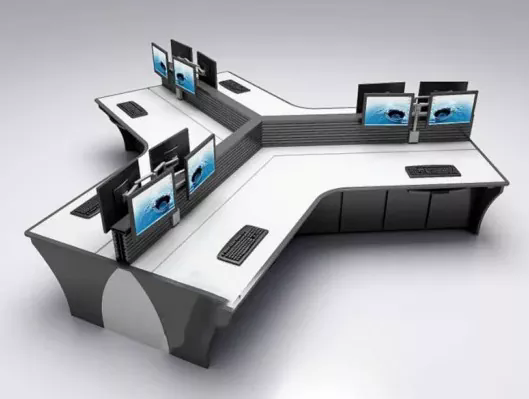
Table of Contents
- What Is a Dispatch Console?
- Why Modern Operations Require a Dispatch Console
- Key Functions of a Dispatch Console
- Core Components of a Dispatch Console System
- Typical Industries That Use Dispatch Consoles
- How a Dispatch Console Improves Efficiency
- How to Choose the Right Dispatch Console
- FAQ
- Conclusion
What Is a Dispatch Console?
A dispatch console is a centralized workstation or software platform that allows operators to manage communication, tasks, and field personnel from a single interface. It connects dispatchers with technicians, vehicles, security teams, or emergency responders to coordinate operations in real time.
In modern operational environments, dispatch consoles integrate communication channels, scheduling tools, mapping systems, and resource monitoring into one platform. Dispatchers can assign jobs, track team locations, and communicate instantly with field staff to ensure efficient task completion. This centralization transforms scattered information into a coordinated operational workflow.
Organizations rely on dispatch consoles to maintain control over large-scale operations, especially when teams are geographically distributed. By consolidating information such as job requests, team availability, and location data, dispatchers can make faster and more accurate decisions.
Why Modern Operations Require a Dispatch Console
Businesses that rely on field operations often face common challenges:
- Delayed communication between office staff and field teams
- Difficulty tracking workforce location and status
- Inefficient scheduling and resource allocation
- Limited visibility into ongoing operations
- Slow response to emergencies or urgent requests
Without a centralized command interface, dispatchers may rely on phone calls, spreadsheets, or disconnected systems. This fragmented approach leads to operational delays and increased risk of miscommunication.
A dispatch console resolves these problems by providing a unified management environment. Dispatchers gain a comprehensive view of operations, enabling them to coordinate tasks efficiently and maintain continuous communication with personnel in the field.
Key Functions of a Dispatch Console
A modern dispatch console performs several critical functions that support operational control and coordination.
- Real-Time Communication – Enables voice, messaging, and group communication between dispatchers and field personnel.
- Task Assignment – Allows dispatchers to assign service requests or operational tasks to the most suitable team members.
- Location Monitoring – Displays real-time GPS positions of vehicles or technicians.
- Status Tracking – Provides visibility into job progress, worker availability, and incident updates.
- Incident Management – Helps dispatchers respond to urgent situations by assigning appropriate resources quickly.
- Communication Recording – Logs conversations and operational activities for analysis and accountability.
These capabilities make dispatch consoles an essential operational hub for organizations managing mobile teams.
Core Components of a Dispatch Console System
A dispatch console system usually includes multiple integrated components that work together to create a comprehensive command environment.
| Component | Description |
|---|---|
| User Interface | The control dashboard used by dispatchers to monitor and manage operations. |
| Communication Module | Handles voice communication, push-to-talk channels, and messaging. |
| Scheduling System | Organizes tasks, work orders, and technician assignments. |
| Location Tracking | Displays real-time maps showing personnel and vehicle locations. |
| Data Integration | Connects the console with CRM systems, service databases, and mobile applications. |
| Monitoring and Logging | Records operational data for reporting and performance analysis. |
These components create a comprehensive control environment where dispatchers can oversee multiple operational processes simultaneously.
Typical Industries That Use Dispatch Consoles
Dispatch consoles are widely used in industries where coordination between central control rooms and field teams is essential.
- Emergency response and public safety
- Transportation and logistics
- Utilities and infrastructure maintenance
- Security operations
- Telecommunications services
- Energy and industrial facilities
- Field service and maintenance companies
In these industries, dispatch consoles serve as the operational command center that ensures rapid communication and effective resource allocation.
How a Dispatch Console Improves Efficiency
Implementing a dispatch console significantly improves operational efficiency across several dimensions.
1. Faster Communication
A dispatch console integrates multiple communication channels, enabling instant interaction between dispatchers and field personnel. This reduces delays associated with traditional phone-based coordination.
2. Better Resource Allocation
With real-time visibility into worker availability and location, dispatchers can assign tasks to the most suitable team members, minimizing travel time and maximizing productivity.
3. Improved Operational Awareness
Centralized dashboards allow dispatchers to monitor multiple operations simultaneously. They can identify bottlenecks, respond to incidents, and adjust schedules instantly.
4. Increased Safety
Location tracking and alert systems improve worker safety by enabling rapid response to emergencies or hazardous situations.
5. Data-Driven Decision Making
Dispatch consoles record operational data that can be analyzed to optimize workflow, improve resource utilization, and enhance service quality.
How to Choose the Right Dispatch Console
Selecting the right dispatch console requires careful evaluation of operational requirements and system capabilities.
- Scalability – The system should support future expansion and additional users.
- Integration – Compatibility with existing communication and management systems.
- User Interface – Clear and intuitive dashboards that simplify dispatcher workflows.
- Reliability – Stable performance with minimal downtime.
- Security – Protection of sensitive operational and communication data.
- Real-Time Monitoring – Accurate tracking of personnel, tasks, and incidents.
Organizations that implement a well-designed dispatch console often experience measurable improvements in response times, workforce efficiency, and service quality.
FAQ
Q1: What does a dispatch console do?
A dispatch console centralizes communication and task management between dispatchers and field teams. It allows operators to assign tasks, track personnel locations, and monitor operational status in real time.
Q2: Is a dispatch console only used for emergency services?
No. While emergency services rely heavily on dispatch consoles, they are also widely used in logistics, utilities, telecommunications, security operations, and industrial facilities.
Q3: Can a dispatch console integrate with other systems?
Yes. Modern dispatch consoles often integrate with GPS tracking platforms, enterprise resource planning systems, customer databases, and mobile workforce applications.
Q4: What are the benefits of a web-based dispatch console?
Web-based systems provide flexible access from multiple locations, require minimal hardware installation, and allow organizations to scale operations more easily.
Conclusion
A dispatch console is a powerful operational tool that transforms how organizations coordinate field activities and communication. By centralizing scheduling, communication, and monitoring functions, it allows dispatchers to maintain complete visibility and control over complex operations.
Companies that adopt advanced dispatch console systems gain improved operational efficiency, faster response times, and stronger coordination between office teams and field personnel.
Temei Rui provides advanced dispatch console solutions designed to support modern operational environments, helping organizations achieve reliable communication, real-time monitoring, and efficient resource management.
If you are looking to improve your operational coordination and communication infrastructure, contact us to learn how a professional dispatch console solution from Temei Rui can support your organization’s needs.
