

How Does a Diamond Saw Blade Deliver Cleaner, Faster, and More Accurate Cutting?
2026-07-17
Article Summary
Choosing the right diamond saw blade is one of the most important decisions for professionals and contractors who work with concrete, stone, porcelain, ceramic, asphalt, granite, marble, and other hard materials. The correct blade improves cutting speed, extends service life, minimizes material waste, and enhances workplace safety. This guide explains how diamond saw blades work, how to select the right blade for different applications, common mistakes to avoid, maintenance techniques, and practical tips for maximizing cutting performance. Whether you are a distributor, contractor, construction company, or industrial buyer, this article provides valuable insights to help you make informed purchasing decisions.
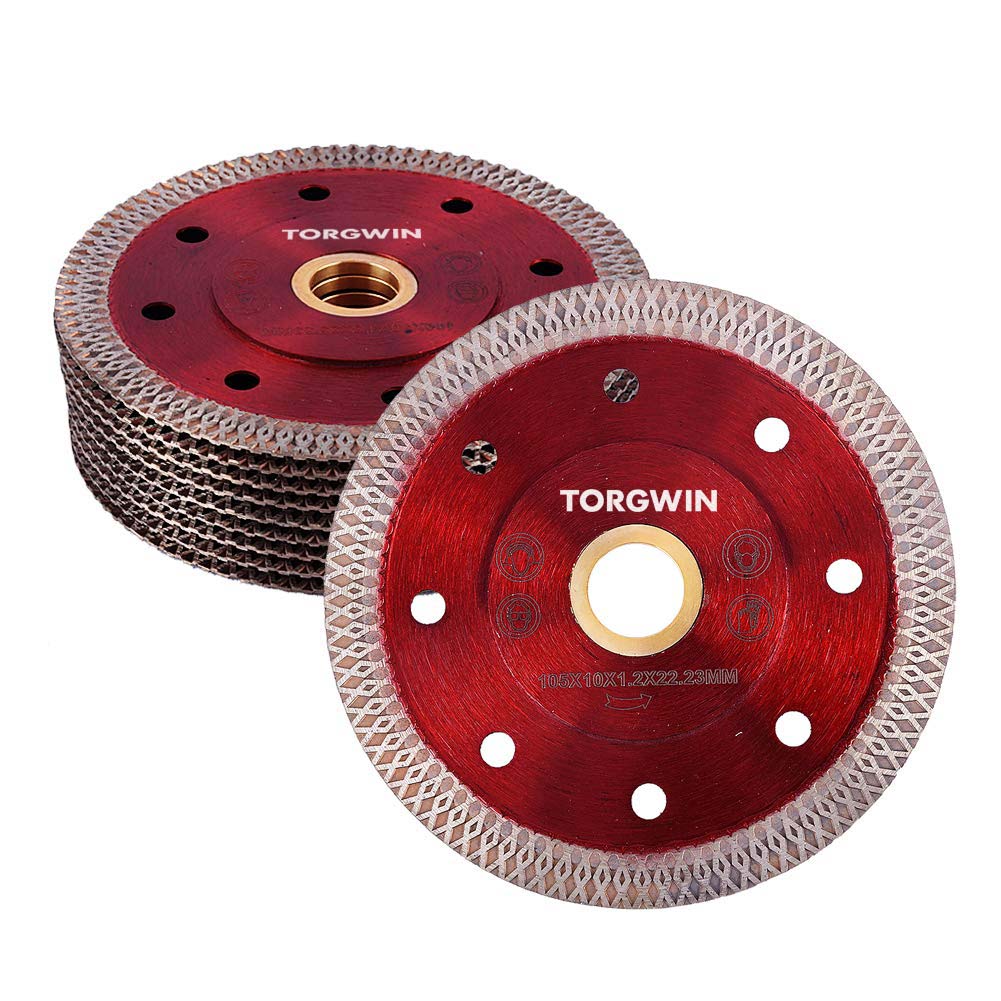
Table of Contents
- How Does a Diamond Saw Blade Work?
- Main Components of a Diamond Saw Blade
- Why Choose Diamond Saw Blades?
- Common Applications
- How to Select the Right Diamond Saw Blade
- Blade Type Comparison
- Common Mistakes to Avoid
- Maintenance Tips
- Choosing a Reliable Manufacturer
- FAQ
- Conclusion
How Does a Diamond Saw Blade Work?
Many people believe that diamond saw blades cut because the diamonds themselves slice through materials like knife edges. In reality, the cutting process is much more sophisticated.
Industrial synthetic diamonds are embedded inside metal segments attached to the steel core of the blade. During cutting, these diamond particles grind away the material instead of slicing it. As the blade rotates at high speed, worn diamonds gradually fall away while new sharp diamonds become exposed, allowing the blade to maintain consistent cutting performance throughout its service life.
This self-sharpening mechanism is what makes a quality diamond saw blade capable of producing smooth cuts while maintaining efficiency over thousands of cutting cycles.
The bonding material surrounding the diamonds is equally important. A bond that is too hard may prevent fresh diamonds from being exposed, while a bond that is too soft may wear too quickly. Proper engineering ensures an ideal balance between durability and cutting speed.
Main Components of a Diamond Saw Blade
Understanding the blade's structure helps buyers evaluate product quality more effectively.
| Component | Function |
|---|---|
| Steel Core | Provides structural stability during high-speed rotation. |
| Diamond Segments | Contain industrial diamonds responsible for grinding the material. |
| Bond Matrix | Controls diamond exposure and determines blade lifespan. |
| Expansion Slots | Reduce vibration, minimize noise, and dissipate heat. |
| Cooling Design | Helps maintain safe operating temperatures during continuous cutting. |
Each component contributes directly to cutting quality, productivity, and operating safety.
Why Choose Diamond Saw Blades?
Compared with conventional abrasive blades, diamond saw blades provide significantly better overall performance.
- Longer service life
- Higher cutting efficiency
- Cleaner cutting edges
- Reduced material chipping
- Lower replacement frequency
- Reduced downtime
- Improved cutting precision
- Lower overall operating costs
Although the initial purchase price may be higher than ordinary cutting discs, the cost per cut is usually much lower because of the blade's extended lifespan and superior productivity.
Common Applications
Diamond saw blades are used across numerous industries because of their ability to process extremely hard materials.
| Material | Recommended Blade |
|---|---|
| Concrete | Segmented Diamond Blade |
| Reinforced Concrete | Heavy-Duty Segmented Blade |
| Granite | Turbo Diamond Blade |
| Marble | Continuous Rim Blade |
| Ceramic Tile | Continuous Rim Blade |
| Porcelain Tile | Ultra Thin Continuous Blade |
| Asphalt | Soft Bond Segmented Blade |
| Brick | General Purpose Diamond Blade |
Selecting the appropriate blade for each material ensures better cutting quality while preventing premature wear.
How to Select the Right Diamond Saw Blade
Purchasing the cheapest blade rarely produces the best results. Buyers should evaluate several technical factors before making a decision.
Material Hardness
Hard materials generally require softer bond blades so new diamonds can be exposed efficiently. Softer materials often require harder bond blades to prevent excessive segment wear.
Wet or Dry Cutting
Wet cutting significantly reduces heat, suppresses dust, and extends blade life. Dry cutting offers greater convenience on job sites where water is unavailable but requires appropriate cooling intervals.
Machine Compatibility
Always verify blade diameter, arbor size, rotational speed, and equipment compatibility before installation.
Cutting Frequency
Professional users performing continuous cutting should invest in premium industrial blades that provide higher productivity and lower long-term operating costs.
Cutting Quality Requirements
Projects involving decorative stone or porcelain tiles demand smoother cuts with minimal chipping, making continuous rim blades the preferred choice.
Blade Type Comparison
| Blade Type | Advantages | Typical Applications |
|---|---|---|
| Segmented | Fast cutting, excellent cooling | Concrete, brick, masonry |
| Turbo | Fast with smoother finish | Granite, stone, concrete |
| Continuous Rim | Very smooth cutting | Ceramic, marble, porcelain |
| Laser Welded | High strength under demanding conditions | Construction and road work |
Common Mistakes to Avoid
Even high-quality blades can fail prematurely if used incorrectly.
- Using one blade for every material.
- Ignoring maximum operating speed.
- Applying excessive feed pressure.
- Operating without adequate cooling.
- Continuing to use damaged blades.
- Improper blade storage causing corrosion.
- Installing blades in the wrong rotation direction.
- Using worn machine flanges that create vibration.
Avoiding these mistakes can dramatically increase blade life while improving cutting accuracy.
Maintenance Tips
Routine maintenance helps maximize blade performance and reduce replacement costs.
- Inspect blades before every use.
- Clean accumulated debris after cutting.
- Store blades in dry environments.
- Use recommended operating speeds.
- Dress glazed blades using abrasive materials when necessary.
- Replace damaged blades immediately.
- Ensure machine alignment remains accurate.
- Follow the manufacturer's installation instructions.
Simple maintenance routines often extend blade life by a significant margin while maintaining consistent cutting quality.
Choosing a Reliable Manufacturer
Beyond product specifications, selecting a dependable manufacturing partner is equally important. A trusted supplier offers stable product quality, technical expertise, flexible customization, and dependable after-sales support.
Ningbo T-Win Imp.& Exp Co.,Ltd. specializes in supplying professional diamond tool solutions for customers around the world. The company provides a wide selection of diamond saw blades designed for construction, stone processing, road maintenance, tile installation, and industrial applications. With strict quality control, advanced manufacturing technology, and continuous product development, the company helps customers improve productivity while reducing operating costs.
Whether customers require standard products or customized specifications, selecting an experienced manufacturer ensures consistent quality, reliable delivery, and long-term business value.
Frequently Asked Questions
Can one diamond saw blade cut every material?
No. Different materials require different bond formulations and segment designs for optimal cutting performance.
Why does my blade cut more slowly over time?
The blade may become glazed, overheated, or unsuitable for the material being cut. Proper dressing or selecting the correct bond often restores performance.
Should I choose wet cutting or dry cutting?
Wet cutting generally provides longer blade life, lower temperatures, and cleaner cuts. Dry cutting offers greater convenience but requires proper operating procedures.
How long does a diamond saw blade last?
Blade life depends on material hardness, operator technique, cooling conditions, machine quality, and blade specifications. Premium blades typically deliver substantially longer service life than ordinary alternatives.
What causes excessive chipping?
Common causes include using the wrong blade type, excessive feed speed, unstable equipment, or worn segments.
Can diamond saw blades cut steel?
Standard diamond saw blades are primarily designed for mineral-based materials. Specialized blades should be selected according to the material being processed.
Conclusion
Understanding how a diamond saw blade works enables buyers to select the most suitable product for every application. The right blade delivers faster cutting, improved precision, reduced operating costs, and longer service life. Careful attention to material compatibility, blade design, operating practices, and routine maintenance will maximize productivity while protecting valuable equipment.
If you are looking for dependable diamond cutting solutions backed by professional manufacturing experience, Ningbo T-Win Imp.& Exp Co.,Ltd. offers a comprehensive range of high-performance diamond saw blades tailored to diverse industrial requirements. Whether you need standard models or customized solutions, our experienced team is ready to help you choose the ideal product for your application. Contact us today to discuss your project requirements, receive expert recommendations, and discover how our premium diamond saw blades can improve your cutting efficiency and reduce your overall operating costs.