

How Does a Checkered Plate Improve Safety and Durability?
2026-06-04
Abstract: Checkered plates, also known as tread plates or diamond plates, are widely used in industrial, commercial, and residential applications. They offer superior slip resistance, structural strength, and aesthetic appeal. This article explores the benefits, applications, and selection tips for checkered plates, helping customers make informed decisions for safety and durability.
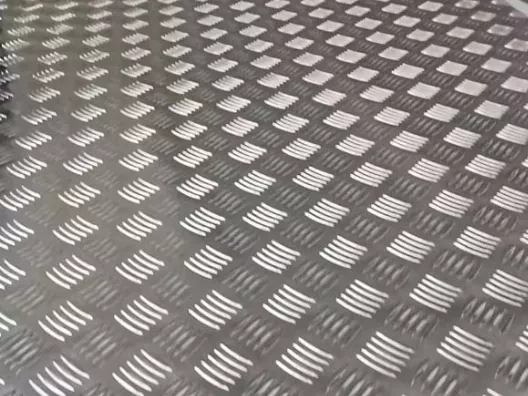
Table of Contents
- Introduction to Checkered Plates
- Key Benefits of Checkered Plates
- Common Applications
- Material Options and Selection
- Installation Tips
- FAQ About Checkered Plates
- Conclusion & Contact
Introduction to Checkered Plates
Checkered plates are metal sheets with raised patterns that provide anti-slip surfaces. They are commonly manufactured from steel, stainless steel, or aluminum and feature distinctive designs such as diamond or circular patterns. Their robust structure and visual appeal make them ideal for areas that require both safety and style.
Key Benefits of Checkered Plates
- Slip Resistance: The raised patterns improve grip and reduce the risk of slips and falls.
- Durability: Resistant to wear, corrosion, and heavy loads, making them suitable for high-traffic areas.
- Structural Strength: Enhances the rigidity of flooring and other surfaces without adding excessive weight.
- Aesthetic Appeal: Provides a modern industrial look, often used in decorative architectural applications.
- Low Maintenance: Easy to clean and maintain over time, retaining its appearance and functionality.
Common Applications
Checkered plates serve multiple industries due to their versatility:
| Industry | Typical Application |
|---|---|
| Industrial | Factory flooring, platforms, stair treads |
| Commercial | Showrooms, warehouses, ramps |
| Residential | Garage floors, staircases, home workshops |
| Transportation | Truck beds, trailers, loading docks |
Material Options and Selection
Choosing the right material for a checkered plate depends on the environment and requirements:
- Steel: Strong, cost-effective, ideal for heavy-duty industrial use. May require protective coatings to prevent rust.
- Stainless Steel: Corrosion-resistant, durable, and ideal for areas exposed to moisture or chemicals.
- Aluminum: Lightweight, corrosion-resistant, suitable for mobile structures and decorative purposes.
Installation Tips
Proper installation ensures maximum safety and longevity:
- Measure the surface accurately before cutting the plate.
- Ensure the surface is clean and level to avoid uneven wear.
- Use appropriate fasteners such as bolts, welding, or adhesive for secure attachment.
- Regularly inspect and maintain the plate to prevent damage and maintain slip resistance.
FAQ About Checkered Plates
Q1: Can checkered plates be used outdoors?
A: Yes, especially stainless steel and aluminum plates, which resist corrosion and weathering.
Q2: How thick should a checkered plate be?
A: Thickness depends on load requirements. Common thickness ranges from 3mm to 10mm for heavy-duty applications.
Q3: Are checkered plates customizable?
A: Yes, patterns, sizes, and materials can be tailored to project needs.
Q4: How do I clean a checkered plate?
A: Regular cleaning with mild detergent and water is sufficient. Avoid abrasive tools that may scratch the surface.
Conclusion & Contact
Checkered plates are a reliable choice for enhancing safety, durability, and aesthetics across multiple environments. By selecting the right material, pattern, and installation method, you can maximize their benefits for years to come. For high-quality checkered plates and expert advice, trust Sanhe. Contact us today to find the perfect solution for your project.