

How Does a Checkered Plate Enhance Safety and Durability in Industrial Applications?
2026-03-25
Article Summary
A checkered plate is a versatile steel product widely used in industrial, commercial, and residential applications for its slip-resistant surface and structural durability. This article provides a detailed overview of checkered plates, including their materials, manufacturing processes, applications, benefits, and maintenance. It aims to address common customer challenges such as safety compliance, material selection, and long-term performance. With structured insights, tables, and FAQs, this guide helps businesses and individuals make informed decisions when choosing checkered plates.
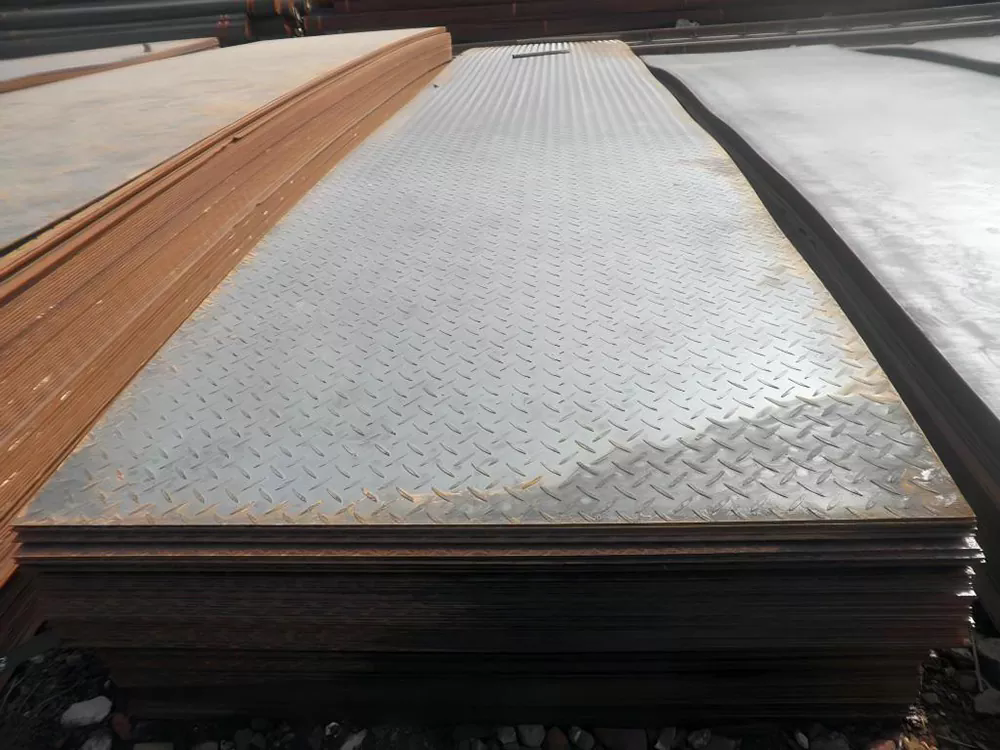
Table of Contents
- 1. What Is a Checkered Plate?
- 2. How Is a Checkered Plate Made?
- 3. Key Applications of Checkered Plates
- 4. Benefits of Using Checkered Plates
- 5. Materials and Specifications
- 6. How to Choose the Right Checkered Plate
- 7. Installation and Maintenance Tips
- 8. Frequently Asked Questions
- 9. Conclusion
1. What Is a Checkered Plate?
A checkered plate, also known as a tread plate or diamond plate, is a type of steel sheet characterized by raised patterns such as diamonds or lines. These patterns provide enhanced slip resistance and aesthetic appeal. Checkered plates are widely used in environments where safety, durability, and strength are essential.
Typical applications include stair treads, walkways, vehicle platforms, ramps, and industrial flooring. Their anti-slip surface reduces the risk of accidents in both wet and dry conditions.
2. How Is a Checkered Plate Made?
The manufacturing of checkered plates involves several precise processes to ensure structural integrity and surface quality:
- Material Selection: High-quality steel such as carbon steel, stainless steel, or aluminum is chosen.
- Hot Rolling: Steel plates are heated and rolled to achieve the desired thickness.
- Pattern Rolling: Raised checkered patterns are pressed onto the surface using specialized rolling equipment.
- Surface Treatment: Optional treatments like galvanizing, painting, or anti-corrosion coating improve durability.
- Quality Inspection: Final inspection ensures thickness, pattern height, and surface flatness meet standards.
Advanced manufacturing ensures that the checkered plate maintains both strength and anti-slip functionality over long-term use.
3. Key Applications of Checkered Plates
Checkered plates are widely used across multiple industries due to their durability and safety features. Common applications include:
- Industrial flooring and staircases
- Truck beds and loading ramps
- Walkways and pedestrian bridges
- Ship decks and offshore platforms
- Decorative architectural features
By providing a combination of strength and slip resistance, checkered plates help minimize workplace accidents and improve operational safety.
4. Benefits of Using Checkered Plates
Using checkered plates offers numerous advantages for industrial and commercial projects:
- Anti-Slip Surface: Reduces the risk of slips and falls.
- High Strength: Resistant to bending, impact, and heavy loads.
- Durability: Long-lasting performance even in harsh conditions.
- Low Maintenance: Easy to clean and maintain.
- Versatility: Suitable for flooring, ramps, vehicle platforms, and decorative applications.
5. Materials and Specifications
| Material | Description |
| Carbon Steel | High strength, cost-effective, suitable for general industrial use |
| Stainless Steel | Corrosion-resistant, ideal for outdoor or marine applications |
| Aluminum | Lightweight, suitable for vehicles or movable platforms |
| Thickness | Typically ranges from 2mm to 12mm, depending on load requirements |
| Pattern | Diamond or line patterns with varying heights for anti-slip performance |
| Surface Finish | Galvanized, painted, or untreated depending on environmental requirements |
Sanhe Steel provides checkered plates with precise dimensions, superior surface quality, and reliable performance for diverse industrial needs.
6. How to Choose the Right Checkered Plate
Choosing the right checkered plate requires evaluating factors such as load, environment, and material:
- Load-Bearing Capacity: Select thickness and material that withstand expected weights.
- Environment: For outdoor or wet conditions, stainless steel or galvanized options are recommended.
- Pattern Type: Choose diamond or line patterns based on required anti-slip performance.
- Maintenance Needs: Consider coatings or finishes that reduce corrosion and wear.
- Supplier Reliability: Ensure quality and timely delivery from trusted manufacturers like Sanhe Steel.
7. Installation and Maintenance Tips
Proper installation and maintenance enhance the performance and longevity of checkered plates:
- Ensure a clean, level surface before installation.
- Secure plates with bolts or welding according to structural requirements.
- Inspect regularly for damage, wear, or corrosion.
- Clean surfaces periodically to remove debris and maintain anti-slip properties.
Following these practices reduces the risk of accidents and extends service life.
8. Frequently Asked Questions
Q1: What is the difference between carbon steel and stainless steel checkered plates?
Carbon steel is strong and economical, while stainless steel offers superior corrosion resistance, making it suitable for harsh or outdoor environments.
Q2: Can checkered plates be cut to size?
Yes, plates can be customized according to project specifications using cutting tools or laser cutting.
Q3: Are checkered plates suitable for heavy vehicle platforms?
Yes, thicker plates with appropriate material selection can handle heavy loads safely.
Q4: How do I maintain the anti-slip surface?
Keep the surface clean from dirt, grease, or ice buildup. For outdoor applications, regular inspections and surface treatments may be required.
9. Conclusion
Checkered plates are an essential material for enhancing safety, durability, and aesthetics in industrial, commercial, and residential applications. Proper selection, installation, and maintenance ensure long-lasting performance and safety compliance.
Sanhe Steel provides high-quality checkered plates that meet diverse application requirements with reliability and precision.
For expert guidance, customized solutions, and premium checkered plates, contact us today to improve safety and efficiency in your projects.