

How Do You Repair Leaking Aluminum Finned Tubes in a Container Refrigeration Room
2026-11-02
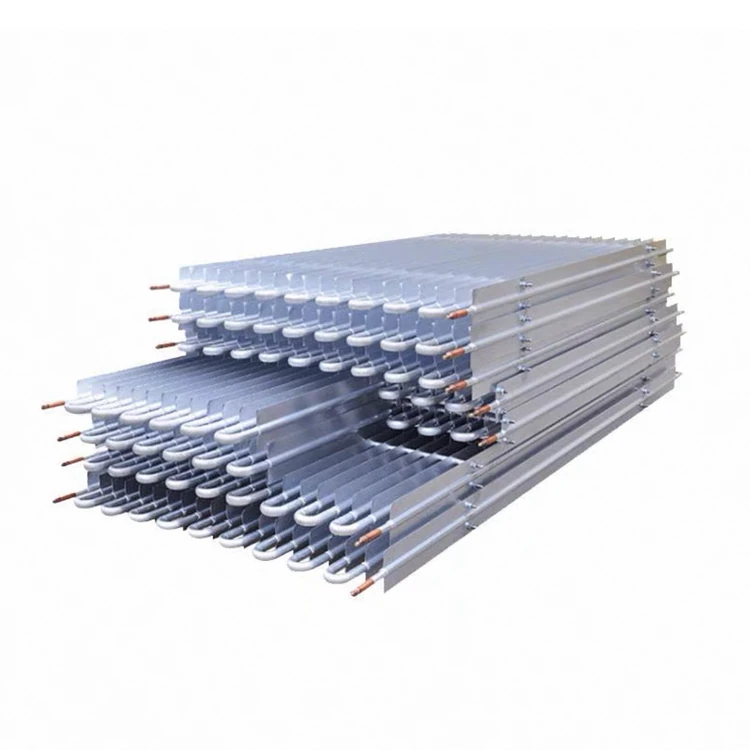
Leaking tubes in a Container Refrigeration Room Aluminum Finned Tube assembly are one of the most common causes of lost cooling capacity, rising compressor load, and unexpected downtime. At Paulair, we have supported container refrigeration maintenance teams for years, and the pattern is consistent: small pinhole leaks, vibration fatigue at tube-to-header joints, and galvanic corrosion at the fin-tube interface account for the majority of failures. This guide outlines a practical, field-tested repair workflow.
Step 1: Isolate and Confirm the Leak Location
Before any repair, isolate the circuit, recover refrigerant, and pressurize with dry nitrogen. Use an electronic leak detector plus soap solution confirmation. On Container Refrigeration Room Aluminum Finned Tube coils, leaks concentrate in three zones:
| Leak Zone | Typical Cause | Detection Method |
|---|---|---|
| Tube-to-header braze joints | Vibration fatigue, thermal cycling | Nitrogen pressure hold + soap test |
| Fin-tube contact points | Galvanic corrosion, moisture retention | Electronic detector, visual white residue |
| Return bends | Mechanical stress, poor support | Pressure decay test |
Step 2: Prepare the Surface Correctly
Aluminum demands different preparation than copper. Remove fins locally with a fin comb or small side cutters, clean to bright metal with a stainless brush, and avoid cross-contamination with copper tools. Paulair recommends dedicated aluminum-only brushes and a solvent wipe before any brazing or mechanical repair.
Step 3: Select the Repair Method
| Method | Best For | Key Requirement |
|---|---|---|
| Aluminum brazing (low-temp rod) | Pinholes, small cracks | Heat control below fin melt point |
| Mechanical clamp + sealant | Accessible straight runs | Clean, dry, roughened surface |
| Tube plugging | Isolated single tube | Recalculate capacity loss |
| Section replacement | Clustered leaks | Matching alloy and fin pitch |
For Container Refrigeration Room Aluminum Finned Tube coils, brazing remains the most durable option when the leak is accessible; plugging is acceptable only when capacity loss stays within design margin.
Step 4: Pressure Test, Evacuate, and Verify
After repair, pressure test at 1.5× working pressure with nitrogen, hold for a minimum of 30 minutes, then evacuate to below 500 microns. Recharge, log the repair, and monitor superheat and discharge temperature over the next operating cycle.
Step 5: Prevent Recurrence
-
Apply a protective coating on fin-tube interfaces in coastal or high-humidity service.
-
Improve tube support to reduce vibration fatigue.
-
Schedule fin cleaning to limit moisture-driven corrosion.
-
Keep a Paulair spare coil specification on file for fast replacement.
FAQ
Q: What causes leaks in a Container Refrigeration Room Aluminum Finned Tube coil?
A: The dominant causes are galvanic corrosion at fin-tube contact points, vibration fatigue at braze joints and return bends, and mechanical damage during cleaning or cargo handling. Moisture retention between fins accelerates pitting, especially in salt-laden coastal air.
Q: Can a leaking Container Refrigeration Room Aluminum Finned Tube be repaired in place?
A: Yes, when the leak is accessible and isolated. Low-temperature aluminum brazing, mechanical clamps with sealant, or single-tube plugging are all viable in-place methods. Clustered or structurally weakened sections should be replaced rather than patched.
Q: How do I know whether to repair or replace a Container Refrigeration Room Aluminum Finned Tube coil?
A: Repair is economical for isolated leaks covering less than roughly 10% of tubes with no significant capacity loss. Replace when leaks are clustered, corrosion is widespread across the fin pack, or repeated repairs within a short interval indicate systemic degradation. Paulair can review coil condition data and recommend the most cost-effective path.
Contact Us
If your container refrigeration room is losing capacity or you need expert assessment of a leaking coil, contact Paulair today for repair guidance, replacement coil specifications, and tailored Container Refrigeration Room Aluminum Finned Tube solutions.