

How Do You Choose the Right Diamond Saw Blade?
2026-07-01
Article Abstract
Diamond saw blades are essential cutting tools widely used in construction, stone processing, ceramics, and metalworking industries. However, selecting the correct blade is often challenging due to variations in materials, bonding structures, segment designs, and application requirements. This article provides a comprehensive guide to understanding diamond saw blades, their classifications, selection criteria, maintenance methods, and common troubleshooting strategies. It is designed to help buyers, engineers, and operators make informed decisions that improve cutting efficiency, reduce cost per cut, and extend tool lifespan.
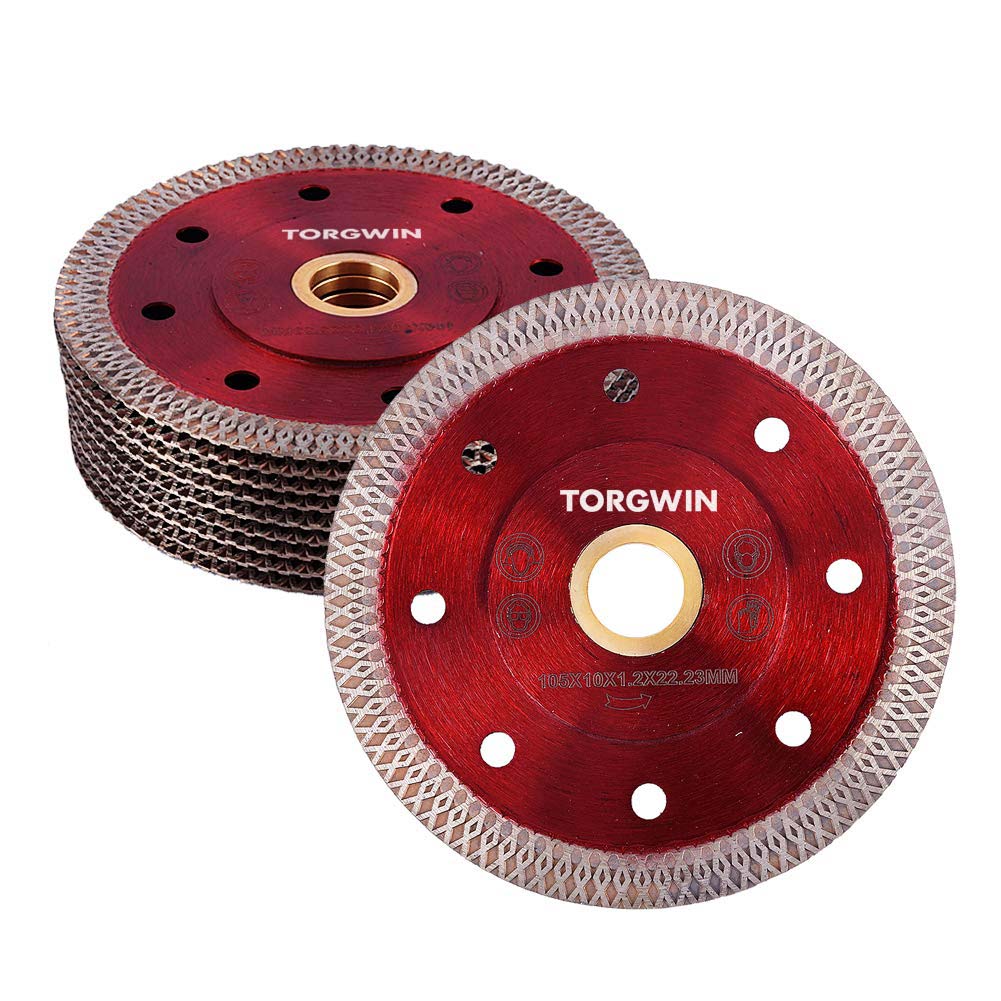
Table of Contents
- 1. Introduction to Diamond Saw Blades
- 2. Structure and Working Principle
- 3. Types of Diamond Saw Blades
- 4. How to Choose the Right Blade
- 5. Industrial Applications
- 6. Common Problems and Solutions
- 7. Maintenance and Usage Tips
- 8. Blade Performance Comparison
- 9. Frequently Asked Questions
- 10. Conclusion and Purchasing Guidance
1. Introduction to Diamond Saw Blades
A diamond saw blade is a high-performance cutting tool that uses industrial-grade diamond particles embedded in a metal matrix to cut through hard and abrasive materials. Unlike conventional blades, diamond blades do not rely on sharpness alone; instead, they grind through materials using exposed diamond crystals. This makes them ideal for cutting concrete, granite, marble, asphalt, ceramics, and other dense materials.
The performance of a diamond saw blade depends on multiple factors, including diamond quality, segment bonding strength, rotation speed compatibility, and cooling method. Understanding these elements is crucial for achieving optimal results in industrial cutting operations.
2. Structure and Working Principle
A diamond saw blade typically consists of two main parts: the steel core and the diamond segment. The steel core provides stability and rotational support, while the diamond segment performs the actual cutting.
- Steel Core: Ensures blade rigidity and prevents deformation during high-speed rotation.
- Diamond Segment: Contains diamond particles bonded with metal powder (cobalt, nickel, or iron-based alloys).
- Bond Matrix: Controls diamond exposure rate during cutting.
During operation, the exposed diamonds grind against the material surface. As diamonds wear out, new sharp edges are exposed, maintaining continuous cutting performance.
3. Types of Diamond Saw Blades
Different applications require different blade structures. Below is a classification of commonly used diamond saw blades:
- Segmented Blades: Designed with gullets for cooling and debris removal. Suitable for concrete and brick.
- Continuous Rim Blades: Provide smooth cutting edges for ceramics and tiles.
- Turbine Rim Blades: Combine speed and precision, ideal for granite and marble.
- Silent Core Blades: Reduce noise and vibration during cutting.
4. How to Choose the Right Blade
Selecting the right diamond saw blade depends on material hardness, cutting environment, and machine compatibility. Incorrect selection may result in blade wear, poor cutting quality, or safety risks.
Key selection factors include:
- Material type (concrete, stone, ceramic, asphalt)
- Blade diameter and thickness
- Segment bonding hardness
- Wet or dry cutting requirement
- Machine RPM compatibility
| Material | Recommended Blade Type | Cutting Method |
|---|---|---|
| Concrete | Segmented Blade | Wet/Dry |
| Ceramic Tiles | Continuous Rim Blade | Wet |
| Granite | Turbine Rim Blade | Wet |
| Asphalt | Segmented Soft Bond Blade | Dry/Wet |
5. Industrial Applications
Diamond saw blades are widely used in various industries due to their durability and efficiency.
- Construction and demolition projects
- Stone fabrication workshops
- Road cutting and infrastructure maintenance
- Ceramic and tile manufacturing
- Mining and quarry operations
In each application, selecting the correct blade type significantly improves productivity and reduces operational costs.
6. Common Problems and Solutions
Operators often face issues such as blade overheating, segment loss, or uneven cutting. These problems are usually linked to improper blade selection or incorrect usage techniques.
- Blade Overheating: Ensure proper water cooling or reduce cutting speed.
- Segment Wear: Use correct bond hardness for the material.
- Chipping Edges: Switch to continuous rim blades for brittle materials.
- Low Cutting Speed: Check RPM compatibility and diamond concentration.
7. Maintenance and Usage Tips
Proper maintenance extends the lifespan of diamond saw blades and ensures consistent performance.
- Always match blade type with material hardness.
- Allow blade to reach full speed before cutting.
- Avoid excessive pressure during operation.
- Use water cooling when required.
- Regularly inspect segment wear and core condition.
8. Blade Performance Comparison
| Blade Type | Cutting Speed | Precision | Durability |
|---|---|---|---|
| Segmented Blade | High | Medium | High |
| Continuous Rim Blade | Medium | High | Medium |
| Turbine Rim Blade | High | High | High |
9. Frequently Asked Questions
Q1: Can diamond saw blades cut metal?
A1: Standard diamond blades are not designed for ferrous metals. Specialized blades are required for such applications.
Q2: Why does my blade wear out quickly?
A2: This is often due to incorrect bond hardness selection or excessive cutting pressure.
Q3: Should I use wet or dry cutting?
A3: Wet cutting is preferred for most materials as it reduces heat and increases blade life.
Q4: How long does a diamond saw blade last?
A4: Lifespan depends on usage intensity, material type, and maintenance practices.
10. Conclusion and Purchasing Guidance
Choosing the right diamond saw blade requires a clear understanding of material properties, cutting conditions, and machine specifications. A well-selected blade not only improves cutting precision but also reduces operational downtime and long-term costs.
For professional-grade solutions and stable supply, Ningbo T-Win Imp.& Exp Co.,Ltd. provides a wide range of diamond saw blades designed for construction, stone processing, and industrial cutting applications. Each product is engineered to deliver reliable performance under demanding conditions.
If you are looking for customized solutions, technical support, or bulk procurement options, please feel free to contact us for further assistance and collaboration opportunities.
Contact us today to get professional guidance and explore high-performance diamond saw blade solutions tailored to your needs.