

How Do Stainless Steel Rollers Enhance Industrial Efficiency and Durability?
2026-06-24
Article Summary
Stainless steel rollers are widely used in modern industrial systems due to their strength, corrosion resistance, and long service life. This article explains how they function, where they are applied, and how to choose the right type for different operational environments. It also addresses common challenges users face, such as wear resistance, maintenance issues, and material selection, offering practical solutions for improving conveyor and processing system efficiency.
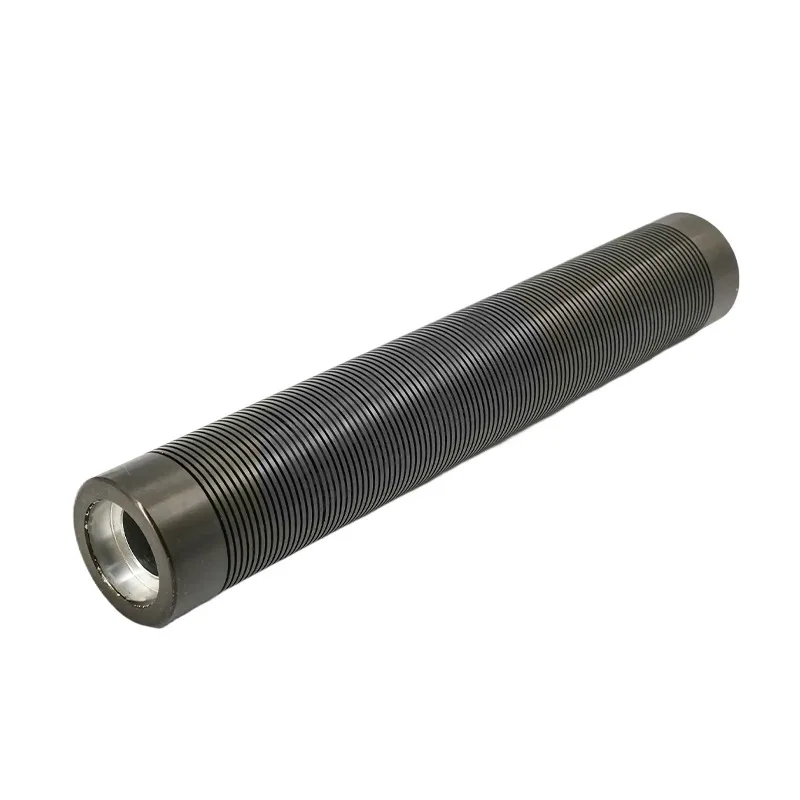
Table of Contents
- Article Outline
- Introduction
- What is a Stainless Steel Roller?
- Key Benefits
- Industrial Applications
- Materials and Manufacturing
- Selection Guide
- Maintenance and Care
- Common Problems and Solutions
- FAQ
- Conclusion
Article Outline
- Definition and structure of stainless steel rollers
- Why industries rely on stainless steel materials
- Performance advantages in harsh environments
- Use cases across logistics, mining, food processing, and manufacturing
- How to evaluate specifications before purchase
- Maintenance strategies for extended service life
Introduction
In industrial automation and material handling systems, the stainless steel roller plays a crucial role in ensuring smooth, continuous movement of goods and materials. Whether used in conveyor systems, packaging lines, or heavy-duty transport mechanisms, these rollers are designed to withstand demanding conditions while maintaining operational efficiency.
As industries evolve toward higher productivity and lower maintenance costs, the demand for durable components like stainless steel rollers continues to grow. Their ability to resist corrosion, handle heavy loads, and maintain structural integrity under extreme environments makes them indispensable in modern engineering systems.
What is a Stainless Steel Roller?
A stainless steel roller is a cylindrical mechanical component made primarily from stainless steel alloys. It is designed to facilitate movement, reduce friction, and support loads in conveyor and industrial systems.
- Core Structure: Steel tube or solid shaft depending on application
- Surface Finish: Polished or coated for reduced friction
- Bearings: Integrated for smooth rotation
- Sealing System: Protects against dust, moisture, and contaminants
Key Benefits of Stainless Steel Rollers
The widespread adoption of stainless steel rollers is driven by their superior performance characteristics compared to traditional carbon steel or plastic alternatives.
- Corrosion Resistance: Ideal for humid, chemical, or outdoor environments
- High Load Capacity: Suitable for heavy-duty industrial operations
- Long Service Life: Reduced replacement frequency lowers total operational cost
- Temperature Resistance: Performs reliably under extreme heat or cold
- Low Maintenance: Minimal lubrication and servicing required
Industrial Applications
Stainless steel rollers are used in a wide range of industries where reliability and hygiene are essential.
- Food processing and packaging lines
- Pharmaceutical manufacturing systems
- Mining and heavy material transport
- Logistics and warehouse conveyor systems
- Automotive assembly lines
Their versatility makes them a standard component in both light-duty and heavy-duty conveyor systems.
Materials and Manufacturing Considerations
The performance of a stainless steel roller depends heavily on material grade and manufacturing precision.
| Material Grade | Characteristics | Best Use Case |
|---|---|---|
| 304 Stainless Steel | General corrosion resistance, cost-effective | Food processing, light industry |
| 316 Stainless Steel | High resistance to chemicals and saltwater | Marine and chemical environments |
| Carbon Steel with Coating | High strength, moderate corrosion resistance | Dry industrial environments |
Precision manufacturing processes such as CNC machining and dynamic balancing ensure consistent rotation, reduced vibration, and extended lifespan.
Selection Guide
Choosing the right stainless steel roller requires evaluating operational conditions and performance requirements.
| Factor | What to Consider |
|---|---|
| Load Capacity | Maximum weight per roller and distributed load |
| Environment | Humidity, chemicals, temperature range |
| Speed Requirements | Conveyor speed and rotation efficiency |
| Maintenance Access | Ease of replacement and lubrication |
Maintenance and Care
Although stainless steel rollers are designed for durability, proper maintenance ensures maximum service life.
- Regular inspection for wear and alignment issues
- Cleaning to prevent buildup of debris or chemicals
- Lubrication of bearings where applicable
- Monitoring noise and vibration levels
Preventive maintenance significantly reduces unexpected downtime and improves system efficiency.
Common Problems and Solutions
-
Problem: Roller corrosion in harsh environments
Solution: Upgrade to 316-grade stainless steel -
Problem: Excessive noise during operation
Solution: Check bearing alignment and lubrication -
Problem: Uneven rotation
Solution: Inspect shaft alignment and load distribution -
Problem: Premature wear
Solution: Evaluate load capacity mismatch
FAQ
Q1: What industries use stainless steel rollers most?
They are widely used in food processing, logistics, pharmaceuticals, and heavy manufacturing industries.
Q2: How long do stainless steel rollers last?
Depending on usage and environment, they can last several years with proper maintenance.
Q3: Can stainless steel rollers handle heavy loads?
Yes, they are specifically engineered for medium to heavy-duty applications.
Q4: Are stainless steel rollers suitable for outdoor use?
Yes, especially when made from corrosion-resistant grades like 304 or 316.
Conclusion
Stainless steel rollers are a critical component in modern industrial systems, offering durability, efficiency, and adaptability across a wide range of applications. Their resistance to corrosion, ability to handle heavy loads, and low maintenance requirements make them a preferred choice for engineers and procurement specialists worldwide.
For high-quality stainless steel roller solutions tailored to demanding industrial environments, TaiHui Roll Manufacturing (SuZhou) Co., Ltd. provides reliable engineering expertise and customized production capabilities.
For professional consultation and tailored solutions, contact us today to discuss how our stainless steel roller systems can improve your operational efficiency and long-term performance.