

How Do Stainless Steel Pipe Fittings Improve System Reliability?
2026-03-02
Article Summary
Stainless steel pipe fittings are critical components in fluid, gas, and structural piping systems across industrial, commercial, and infrastructure projects. Their performance directly affects system safety, durability, and long-term operating costs. This comprehensive guide explains how stainless steel pipe fittings enhance system reliability, how to select the correct fitting types and standards, and how to avoid common installation and procurement pitfalls. The article is designed to help engineers, contractors, and procurement managers make informed decisions while highlighting how Guangfeng delivers dependable stainless steel pipe fitting solutions for global applications.
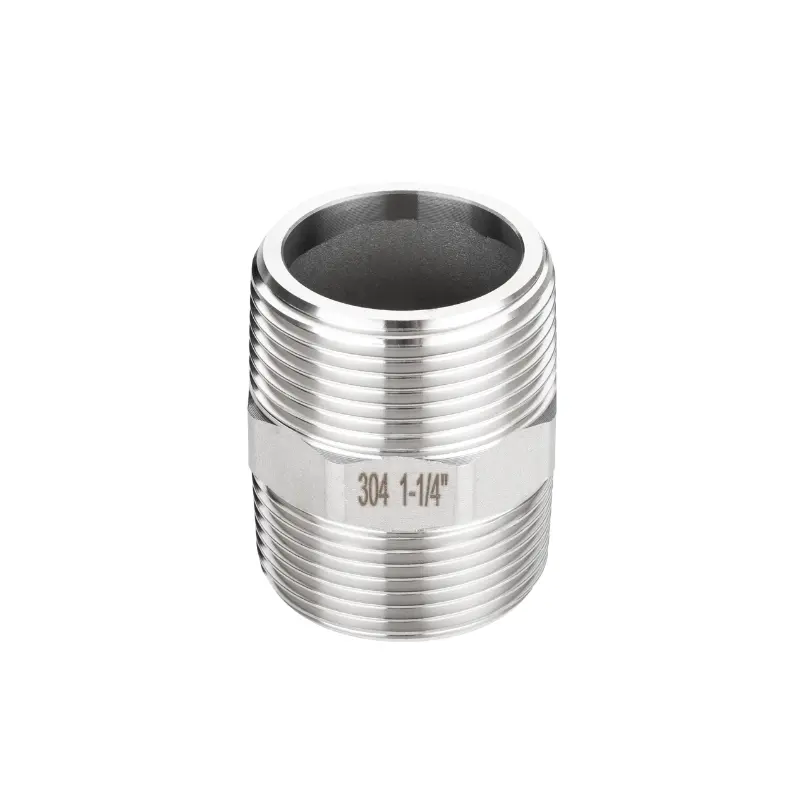
Table of Contents
- Overview of Stainless Steel Pipe Fittings
- Key Customer Pain Points
- Core Functions in Piping Systems
- Common Types of Stainless Steel Pipe Fittings
- Material Grades and Performance
- How to Choose the Right Pipe Fittings
- Standards and Compliance Considerations
- Pipe Fitting Comparison Table
- Installation and Maintenance Best Practices
- Typical Application Scenarios
- Frequently Asked Questions
- Conclusion and Contact Us
Overview of Stainless Steel Pipe Fittings
Stainless steel pipe fittings are used to connect, redirect, control, or terminate piping systems. They play a vital role in maintaining pressure integrity, preventing leakage, and ensuring safe fluid transfer. Compared with carbon steel or plastic alternatives, stainless steel pipe fittings offer superior corrosion resistance, mechanical strength, and service life.
In industries where reliability is non-negotiable, such as chemical processing, oil and gas, food production, and water treatment, stainless steel pipe fittings are often the preferred choice. Guangfeng manufactures a wide range of stainless steel pipe fittings designed to meet demanding operational conditions while maintaining consistent quality.
Key Customer Pain Points
Despite their advantages, improper selection or use of stainless steel pipe fittings can lead to serious issues. Common customer pain points include:
- Premature corrosion caused by incorrect material grade
- Leakage due to poor dimensional accuracy or surface finish
- Incompatibility with existing piping standards
- Difficulty sourcing consistent quality across large projects
- High maintenance costs from substandard fittings
Addressing these challenges requires a clear understanding of fitting specifications, application conditions, and supplier capabilities.
Core Functions in Piping Systems
Stainless steel pipe fittings serve multiple functional roles within a piping network:
- Changing flow direction through elbows and bends
- Connecting pipes of the same or different diameters
- Branching pipelines using tees and crosses
- Sealing pipe ends with caps and plugs
- Allowing disassembly for maintenance and inspection
Each function requires precise engineering to ensure pressure stability and long-term performance.
Common Types of Stainless Steel Pipe Fittings
Different projects require different fitting designs. The most widely used stainless steel pipe fittings include:
- Elbows – 45-degree and 90-degree options for flow direction changes
- Tees – Equal and reducing tees for branch connections
- Reducers – Concentric and eccentric designs for diameter transitions
- Couplings – Full and half couplings for pipe joining
- Caps – Used to terminate pipelines securely
Material Grades and Performance
The performance of stainless steel pipe fittings largely depends on the material grade used. Common grades include:
- 304 stainless steel for general corrosion resistance
- 316 stainless steel for enhanced resistance to chemicals and chlorides
- 321 stainless steel for high-temperature environments
Guangfeng offers stainless steel pipe fittings in multiple grades to suit diverse operating conditions and regulatory requirements.
How to Choose the Right Pipe Fittings
Selecting appropriate stainless steel pipe fittings involves evaluating several critical factors:
- Operating pressure and temperature range
- Type of fluid or gas being transported
- Environmental exposure and corrosion risks
- Connection method such as welded, threaded, or flanged
- Project standards and certification requirements
A structured selection process minimizes failure risks and ensures system compatibility.
Standards and Compliance Considerations
Stainless steel pipe fittings must comply with recognized international standards to ensure safety and interchangeability. These standards define dimensions, tolerances, materials, and testing requirements.
Working with a manufacturer like Guangfeng helps ensure that stainless steel pipe fittings meet relevant specifications and maintain consistent quality across shipments.
Pipe Fitting Comparison Table
| Fitting Type | Primary Function | Typical Applications | Key Benefit |
|---|---|---|---|
| Elbow | Change flow direction | Process piping | Reduces flow stress |
| Tee | Create branch line | Distribution systems | Flexible layout |
| Reducer | Change pipe size | Pressure control | Smooth transition |
| Cap | Seal pipe end | Temporary or permanent closure | Leak prevention |
Installation and Maintenance Best Practices
Proper installation is essential to maximize the benefits of stainless steel pipe fittings. Recommended practices include:
- Ensuring clean and debris-free connection surfaces
- Using correct torque or welding parameters
- Aligning pipes accurately before joining
- Conducting pressure and leak tests after installation
Regular inspection and preventive maintenance further extend system service life.
Typical Application Scenarios
Stainless steel pipe fittings are widely used in:
- Chemical and petrochemical plants
- Oil and gas transmission systems
- Food and beverage processing lines
- Pharmaceutical manufacturing
- Water supply and wastewater treatment
Frequently Asked Questions
Why are stainless steel pipe fittings preferred over carbon steel?
They offer better corrosion resistance, longer service life, and lower maintenance requirements.
How do I prevent leaks in stainless steel pipe fittings?
Proper material selection, precise installation, and quality-controlled fittings are essential.
Are stainless steel pipe fittings suitable for high-pressure systems?
Yes, when correctly specified and manufactured, they perform reliably under high pressure.
Can stainless steel pipe fittings be reused?
In many cases, reusable fittings are possible if they are undamaged and properly inspected.
Conclusion and Contact Us
Stainless steel pipe fittings are fundamental to building safe, durable, and efficient piping systems. Understanding their functions, material options, and installation requirements allows project stakeholders to reduce risk and optimize long-term performance. Choosing a reliable supplier is a key step in achieving consistent results.
Guangfeng is dedicated to supplying high-quality stainless steel pipe fittings tailored to a wide range of industrial applications. If you are planning a project or need technical support in selecting the right fittings, contact us today to explore how Guangfeng can support your piping system requirements with dependable products and professional service.