
How Do Ordinary Door And Window Profiles Improve Modern Construction?
2026-04-17
Abstract
Ordinary door and window profiles play a foundational role in modern construction by providing structural stability, cost efficiency, and adaptable design solutions for residential, commercial, and industrial buildings. Despite their simple classification, these aluminum profiles are engineered to deliver reliable performance in frame systems, supporting glass installations while ensuring durability under various environmental conditions. This article explores their materials, manufacturing processes, benefits, selection criteria, and real-world applications, helping buyers and project developers understand how to make informed decisions when sourcing these essential building components.
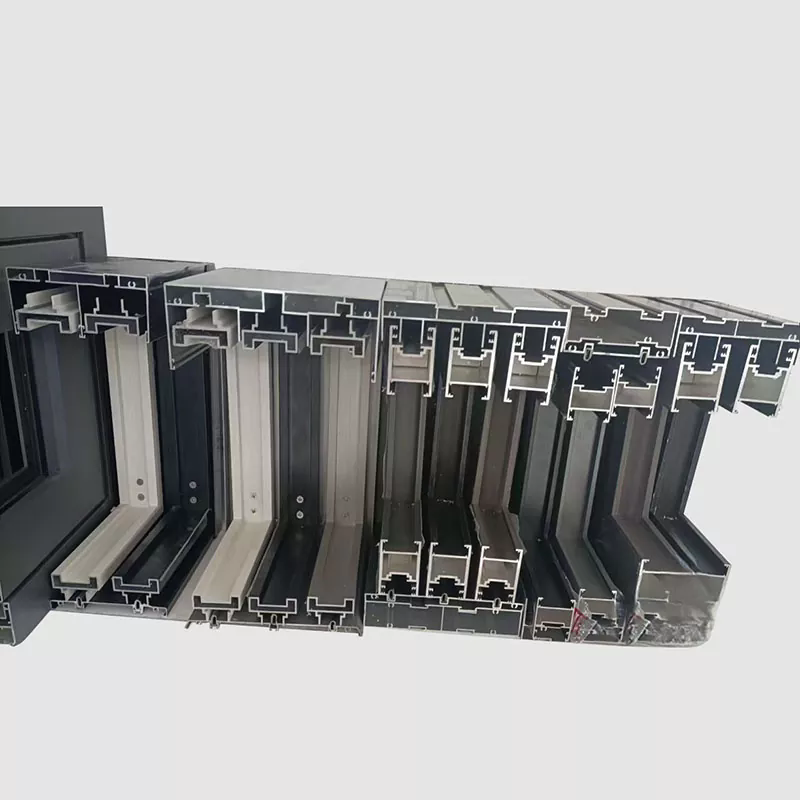
Table of Contents
- Outline
- 1. Introduction
- 2. What Are Ordinary Door and Window Profiles?
- 3. Key Materials and Structures
- 4. Manufacturing Process
- 5. Core Benefits
- 6. Common Customer Pain Points
- 7. How to Choose the Right Profiles
- 8. Application Scenarios
- 9. Performance Comparison Table
- 10. Installation Considerations
- 11. Maintenance Guidelines
- 12. FAQ
- 13. Conclusion & Contact
Outline
This article provides a structured overview of ordinary door and window profiles, covering their definition, material composition, production workflow, advantages, and selection strategies. It also highlights real-world use cases, compares performance attributes, and addresses frequently asked questions to support procurement and engineering decisions.
1. Introduction
In modern architecture, aluminum-based framing systems are essential for creating stable and aesthetically pleasing door and window structures. Ordinary door and window profiles are among the most widely used components in this category. Their popularity comes from a balance of affordability, workability, and structural reliability. Whether used in residential housing projects or commercial buildings, these profiles serve as the backbone of many fenestration systems.
As construction demands evolve, suppliers such as Tianjin Xinyi Aluminum Co., Ltd. continue to refine extrusion technologies to meet stricter performance and design expectations while maintaining cost-effective production standards.
2. What Are Ordinary Door and Window Profiles?
Ordinary door and window profiles are extruded aluminum sections designed to form frames for doors and windows without specialized thermal break structures. They typically consist of single-layer aluminum alloys shaped into specific geometries to accommodate glass panels, sealing components, and hardware fittings.
- Used in non-extreme climate regions
- Suitable for interior partitions and standard exterior openings
- Compatible with sliding, casement, and fixed window systems
3. Key Materials and Structures
The performance of these profiles depends largely on aluminum alloy composition and extrusion precision. Common alloys include 6063 and 6061, known for their balance of strength and machinability.
| Material Type | Key Property | Typical Use |
|---|---|---|
| Aluminum 6063 | High corrosion resistance, smooth finish | Window frames, decorative structures |
| Aluminum 6061 | Higher strength, moderate corrosion resistance | Load-bearing frames |
4. Manufacturing Process
The production of ordinary door and window profiles involves several key stages:
- Raw aluminum billet selection and heating
- Extrusion through precision dies
- Cooling and straightening
- Surface treatment (anodizing or powder coating)
- Cutting and packaging
Each stage directly influences dimensional accuracy, surface quality, and long-term durability.
5. Core Benefits
- Cost-effective compared to thermal break systems
- Lightweight yet structurally stable
- Easy fabrication and installation
- Wide compatibility with glass and hardware systems
- Recyclable and environmentally adaptable material
6. Common Customer Pain Points
Many buyers face challenges when selecting aluminum profiles for construction projects. The most common issues include:
- Inconsistent quality across suppliers
- Corrosion in humid or coastal environments
- Poor dimensional accuracy affecting installation
- Lack of customization options
Working with experienced manufacturers such as Tianjin Xinyi Aluminum Co., Ltd. helps mitigate these risks through standardized production control and strict inspection procedures.
7. How to Choose the Right Profiles
Selecting suitable profiles requires evaluating multiple technical and environmental factors.
- Climate conditions: humidity, temperature variation
- Load requirements: wind pressure and structural demands
- Surface finish: anodized or powder-coated options
- Budget constraints: balancing cost and durability
8. Application Scenarios
Ordinary door and window profiles are widely used in:
- Residential apartment buildings
- Office complexes
- Industrial facilities
- Interior partition systems
9. Performance Comparison Table
| Feature | Ordinary Profiles | Thermal Break Profiles |
|---|---|---|
| Cost | Lower | Higher |
| Thermal Insulation | Basic | Advanced |
| Structural Strength | Moderate | High |
| Application Range | Standard environments | Extreme climates |
10. Installation Considerations
Proper installation is essential for ensuring long-term performance. Installers should ensure:
- Accurate frame alignment
- Proper sealing to prevent air leakage
- Use of compatible fasteners and hardware
- Adequate expansion gaps for thermal movement
11. Maintenance Guidelines
Maintenance of aluminum profiles is relatively simple but important for longevity:
- Regular cleaning with mild detergents
- Inspection of sealing components
- Avoiding abrasive cleaning tools
- Periodic hardware lubrication
12. FAQ
Q1: Are ordinary door and window profiles suitable for coastal areas?
A: They can be used, but protective surface treatments such as anodizing or powder coating are strongly recommended.
Q2: What is the typical lifespan of aluminum profiles?
A: With proper maintenance, they can last 20–30 years or more.
Q3: Can these profiles be customized?
A: Yes, manufacturers like Tianjin Xinyi Aluminum Co., Ltd. offer customized extrusion solutions based on project requirements.
Q4: Do they support large glass installations?
A: Yes, within structural load limits, they can support various glass thicknesses.
13. Conclusion & Contact
Ordinary door and window profiles remain a cornerstone of modern construction due to their balance of affordability, adaptability, and reliability. While they may not include advanced insulation features, their performance in standard applications makes them highly practical for a wide range of building projects. Choosing a reliable supplier is essential to ensure consistent quality and long-term performance.
Tianjin Xinyi Aluminum Co., Ltd. is committed to providing high-quality aluminum profile solutions tailored to global construction needs, supported by advanced extrusion technology and strict quality control systems.
For detailed specifications, customization options, or bulk procurement support, contact us today and our technical team will assist you in finding the most suitable solution for your project requirements.