

How Do Medical Robot End Components Enhance Surgical Precision?
2026-03-31
Summary: Medical robot end components are critical elements in surgical, rehabilitation, and precision medical robots. These components, produced with ultra-precision machining and medical-grade materials, ensure safety, reliability, and efficiency in medical procedures. This article explores their design, materials, advantages, and applications to help buyers understand their value and select the right components.
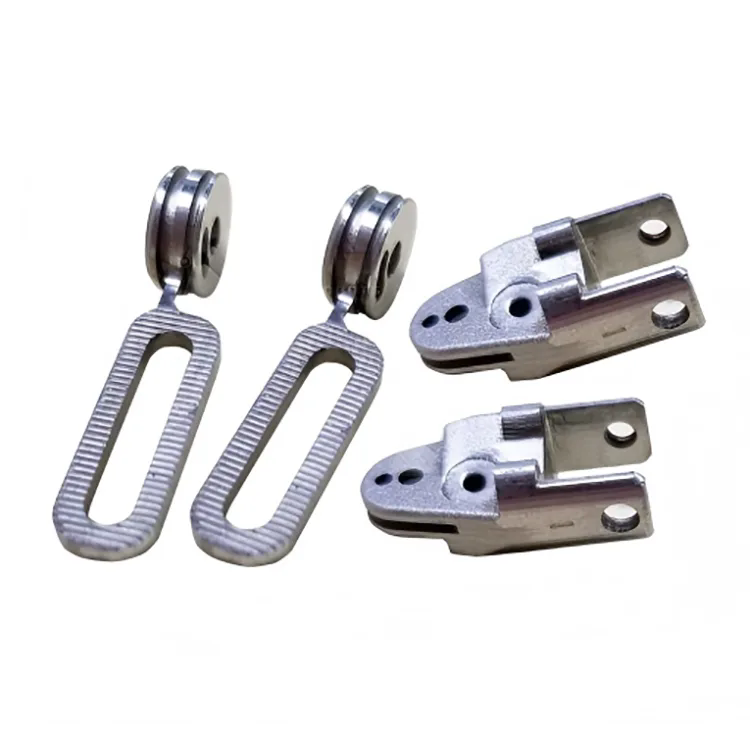
Table of Contents
- Overview of Medical Robot End Components
- Materials and Machining Technologies
- Core Advantages
- Applications in Medical Robotics
- How to Select the Right Components
- FAQ
- Contact Information
Overview of Medical Robot End Components
Medical robot end components serve as the interface between robotic systems and human tissues or medical instruments. Commonly used in surgical robots, rehabilitation devices, and diagnostic platforms, these components include end effectors, joint assemblies, sensor mounts, and precision guides. Their design focuses on high stability, accuracy, and sterility to meet demanding medical standards.
- End effectors: Grippers, cutters, or manipulators used in surgery.
- Joint connectors: Critical for multi-axis movement in robotic arms.
- Sensor mounts: Ensure accurate measurements for feedback and control.
- Puncture and biopsy guides: Maintain precision during minimally invasive procedures.
Materials and Machining Technologies
Medical robot end components must meet stringent biocompatibility and precision requirements. Suzhou Deaote Precision Mould Co., Ltd., uses advanced materials and machining techniques to ensure quality.
| Material | Properties | Applications |
|---|---|---|
| Medical-grade titanium alloy (TC4 ELI) | Lightweight, corrosion-resistant, biocompatible | Surgical robot joints, end effectors |
| 316LVM Stainless Steel | High strength, sterilizable, non-toxic | Rehabilitation robot connectors |
| PEEK (Implant Grade) | High-temperature resistance, biocompatible | Implantable guides, diagnostic components |
| Zirconia Ceramics | Wear-resistant, high precision | Microsurgical tools, precision guides |
Precision machining is achieved with 5-axis CNC centers, wire EDM, laser micromachining, and ultra-precision measuring instruments. This ensures tolerances up to ±0.0005mm and surface finishes below Ra0.1μm.
Core Advantages
Medical robot end components offer multiple benefits for both manufacturers and end-users:
- Ultra-precision machining: Nanometer-level accuracy reduces errors in surgical procedures.
- Biocompatibility: ISO 10993-certified materials prevent cytotoxicity and tissue irritation.
- High sterility: Compliant with ISO 13485, ensuring safe use in surgical environments.
- Customizability: Suzhou Deaote provides tailored solutions to match robotic designs and clinical requirements.
- Reliable quality control: Full inspection at every stage ensures traceability and consistent performance.
Applications in Medical Robotics
Medical robot end components are deployed in various robotic platforms:
- Surgical Robots: Minimally invasive robotic arms, grippers, and precision tools requiring micron-level accuracy.
- Rehabilitation Robots: Joint connectors, motion guides, and sensor brackets designed for stability and durability.
- Precision Medical Robots: Puncture guides, biopsy samplers, and drug delivery devices ensuring sterility and precision.
- Auxiliary Diagnostic Robots: Detection probe brackets and positioning platforms that are biocompatible and accurate.
How to Select the Right Components
Choosing the appropriate medical robot end components involves evaluating several factors:
- Material Requirements: Ensure compatibility with sterilization processes and tissue contact.
- Precision Tolerance: Match component accuracy to the robotic system’s performance needs.
- Application Scenario: Surgical, diagnostic, or rehabilitation use determines mechanical and material requirements.
- Customization Options: Work with manufacturers like Suzhou Deaote for tailored designs and rapid prototyping.
- Regulatory Compliance: Verify ISO certifications for biocompatibility and quality management.
FAQ
Q1: What materials are most suitable for surgical robot end components?
A: Medical-grade titanium alloy, 316LVM stainless steel, PEEK, and zirconia ceramics are recommended due to their biocompatibility and durability.
Q2: How precise are these components?
A: Ultra-precision CNC machining allows tolerances as low as ±0.0005mm, ensuring micron-level performance in critical applications.
Q3: Can these components be customized?
A: Yes, Suzhou Deaote offers tailored solutions based on specific robotic designs and clinical requirements.
Q4: How long is the delivery time?
A: Standard lead time ranges from 5 to 12 working days, depending on the complexity and customization level.
Contact Information
For high-precision, reliable, and customizable medical robot end components, reach out to Suzhou Deaote Precision Mould Co., Ltd. Our professional team provides quick technical support, sample delivery, and factory-direct quotations. Contact us today to get started.