
How Do Manual Retractable Awnings Create Flexible and Comfortable Outdoor Spaces?
2026-01-12
Article Summary
Manual Retractable Awnings are a practical and cost-effective shading solution for residential and commercial outdoor spaces. They offer users direct control over sunlight, heat, and weather exposure without relying on electrical systems. This article explains how Manual Retractable Awnings work, what problems they solve, and how to evaluate quality, materials, and installation considerations. It also explores common application scenarios, maintenance expectations, and frequently asked questions, helping buyers make informed and confident decisions.
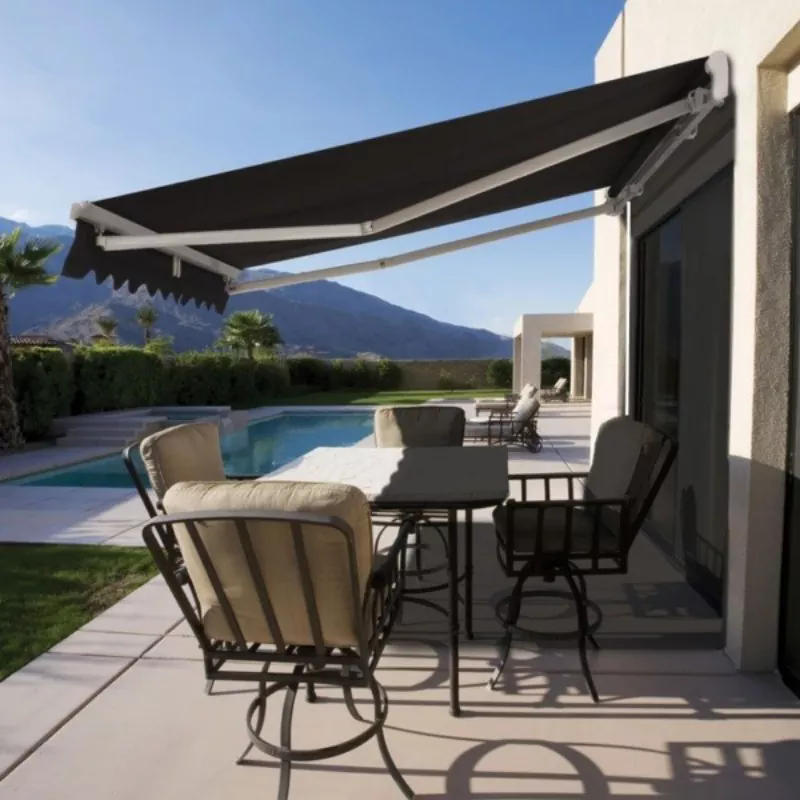
Table of Contents
- Content Outline
- Common Customer Pain Points
- What Are Manual Retractable Awnings
- How Manual Retractable Awnings Work
- Key Benefits for Outdoor Spaces
- Materials and Structural Components
- Typical Application Scenarios
- How to Choose the Right Model
- Maintenance and Longevity
- Manual vs Other Shading Options
- Frequently Asked Questions
Content Outline
- Understanding customer challenges related to sun control
- Core structure and operating logic of manual systems
- Performance benefits in daily use
- Material choices and durability factors
- Selection guidelines and long-term value
Common Customer Pain Points
Outdoor areas such as patios, balconies, storefronts, and terraces often become underutilized due to excessive sunlight, glare, or sudden weather changes. Many users face the following issues:
- Fixed canopies that cannot adapt to changing light conditions
- High costs and maintenance concerns related to motorized systems
- Lack of control over shade coverage throughout the day
- Premature fabric wear due to constant sun exposure
Manual Retractable Awnings address these problems by offering adjustable shading with a simple mechanical structure that emphasizes reliability and ease of use.
What Are Manual Retractable Awnings
Manual Retractable Awnings are extendable shading systems operated by a hand crank or pull mechanism. Unlike fixed awnings, they allow users to open or close the canopy as needed, providing shade only when required. When retracted, the fabric is protected from unnecessary exposure, helping maintain appearance and performance over time.
Manufacturers such as Vionta design these systems with a focus on structural stability, smooth operation, and compatibility with various architectural styles.
How Manual Retractable Awnings Work
The operation principle is straightforward and user-friendly. A manual crank connects to an internal roller tube, which controls the extension and retraction of the awning fabric.
| Component | Function |
|---|---|
| Crank Handle | Allows manual extension and retraction |
| Roller Tube | Holds and rolls the awning fabric |
| Folding Arms | Provide tension and support when extended |
| Mounting Brackets | Secure the system to walls or structures |
This mechanical simplicity reduces the likelihood of operational failure while giving users full control over shade positioning.
Key Benefits for Outdoor Spaces
- Flexible shade control throughout the day
- No dependence on electricity or wiring
- Lower upfront and maintenance costs
- Protection of outdoor furniture from UV exposure
- Improved comfort for seating and dining areas
These advantages make Manual Retractable Awnings particularly attractive for homeowners and businesses seeking practical solutions without complex infrastructure.
Materials and Structural Components
Material selection plays a critical role in performance and lifespan. High-quality systems typically combine:
- Powder-coated aluminum frames for corrosion resistance
- Weather-resistant fabrics with UV-blocking properties
- Reinforced joints to ensure stable extension
Vionta emphasizes material consistency and structural balance to ensure smooth operation even after repeated use.
Typical Application Scenarios
Manual Retractable Awnings are widely used across multiple settings:
- Residential patios and balconies
- Cafés and restaurant outdoor seating areas
- Retail storefronts seeking adjustable shade
- Garden seating and leisure zones
Their adaptable nature allows them to integrate seamlessly into both modern and traditional environments.
How to Choose the Right Model
Selecting the right awning involves evaluating several practical factors:
- Installation width and projection requirements
- Local climate and wind conditions
- Frequency of use and user accessibility
- Fabric color and light-filtering preferences
A well-matched model ensures efficient shading without unnecessary structural stress.
Maintenance and Longevity
Routine care is minimal but important for sustained performance:
- Clean fabric periodically to prevent dust buildup
- Retract during strong winds or storms
- Inspect brackets and arms annually
With proper handling, manual systems can deliver consistent performance over many years.
Manual vs Other Shading Options
| Feature | Manual Retractable Awnings | Fixed Canopies |
|---|---|---|
| Adjustability | High | None |
| Energy Dependency | None | None |
| Fabric Protection | Retractable | Constant exposure |
Frequently Asked Questions
Are Manual Retractable Awnings difficult to operate?
No. The crank mechanism is designed for smooth and controlled movement, suitable for daily use.
Can they withstand outdoor weather conditions?
When manufactured with quality materials and used correctly, they perform reliably in typical outdoor environments.
Do they require professional installation?
Professional installation is recommended to ensure proper alignment, load distribution, and long-term safety.
Conclusion
Manual Retractable Awnings offer a balanced combination of control, durability, and simplicity. By addressing common outdoor shading challenges, they enhance comfort while maintaining operational reliability. Companies like Vionta continue to refine these systems to meet diverse architectural and functional needs.
If you are exploring a dependable shading solution tailored to your space, now is the right time to contact us and discuss how Manual Retractable Awnings can support your project requirements with confidence and clarity.