

How Do Different Coating Methods Extend the Lifespan of Welded Steel Pipe
2026-02-25
In the world of industrial infrastructure, corrosion is the primary enemy of metal components. For projects utilizing Welded Steel Pipe, protective coatings are not an optional addition but a critical requirement. At Xinlida, we understand that the longevity of your pipeline depends heavily on selecting the correct surface protection. This article explores how different coating methods scientifically extend the lifespan of Welded Steel Pipe, ensuring structural integrity and cost savings over decades of service.
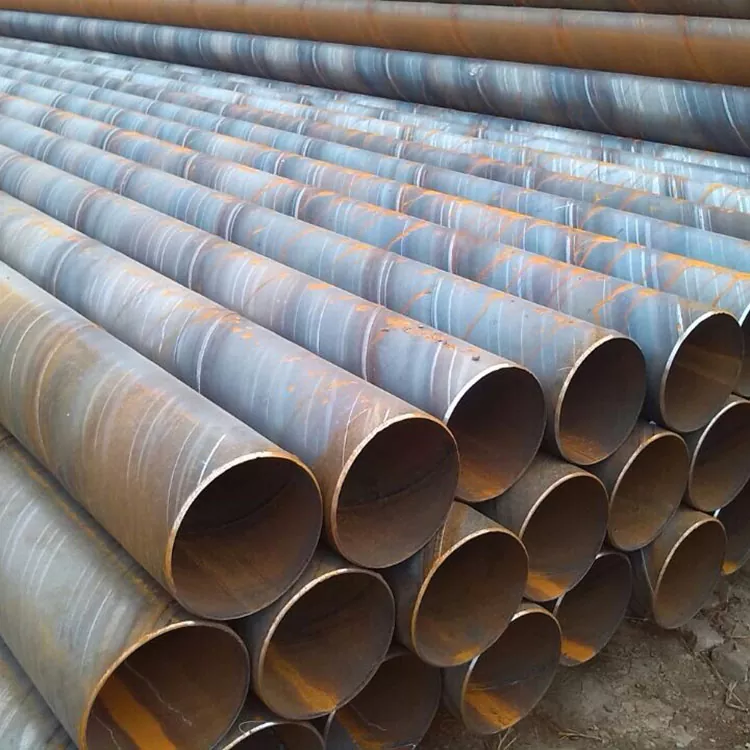
The Mechanism of Protection
Coatings extend the life of Welded Steel Pipe by creating a barrier between the steel surface and corrosive elements like moisture, oxygen, and chemicals. Without this barrier, even high-grade steel will succumb to rust and pitting, leading to leaks and catastrophic failure.
Common Coating Methods and Their Benefits
Different environments require different protection strategies. Below is a breakdown of the most effective coating methods used in the industry today.
| Coating Method | Primary Material | Best Application Environment | Key Benefit |
|---|---|---|---|
| FBE (Fusion Bonded Epoxy) | Thermosetting Polymer Powder | Underground & High-Temp | Excellent chemical resistance & adhesion |
| Three-Layer Polyethylene (3LPE) | Epoxy + Adhesive + Polyethylene | Harsh Underground & Offshore | High mechanical damage resistance |
| Concrete Weight Coating | Reinforced Concrete | Underwater & Swampy Areas | Provides negative buoyancy & armor |
| Bituminous (Asphalt) Coating | Asphalt/Coal Tar | Buried Pipelines (Non-Potable) | Cost-effective moisture barrier |
How Each Method Maximizes Longevity
-
Fusion Bonded Epoxy (FBE): This method involves applying a dry powder to a pre-heated Welded Steel Pipe. The powder melts and bonds to the steel, creating a smooth, hard film. This is highly effective against cathodic disbondment and is often used as a primer in multi-layer systems.
-
Three-Layer Polyethylene (3LPE): Considered the gold standard for high-pressure transmission lines, 3LPE combines the adhesion of FBE with the toughness of polyethylene. This system protects the Welded Steel Pipe from both corrosion and the physical impacts of rocky backfill.
-
Concrete Weight Coating: When pipelines are laid in water or across riverbeds, buoyancy is a threat. A concrete coating adds weight to sink the pipe and provides a hard outer shell that shields the inner anti-corrosion layers from tidal action and ship anchors.
-
Internal Linings: While external coatings fight outside elements, internal linings (like cement mortar or epoxy) protect the Welded Steel Pipe from abrasive materials or corrosive fluids being transported, preventing thinning of the pipe wall from the inside.
Frequently Asked Questions About Welded Steel Pipe Coatings
Q: Is it necessary to coat the inside of the Welded Steel Pipe?
A: Yes, if the contents are corrosive. For water transmission, cement mortar lining prevents rust from affecting water quality and reduces friction loss. For oil and gas, internal epoxy coatings prevent sour gas corrosion and improve flow efficiency. At Xinlida, we recommend internal coating based on the specific medium being transported.
Q: How long can a coated Welded Steel Pipe last underground?
A: With a high-performance system like 3LPE or FBE, a Welded Steel Pipe can last 50 years or more underground. The coating isolates the steel from soil electrolytes, and when combined with cathodic protection, the lifespan can extend to nearly a century, provided the coating is not damaged during installation.
Q: Can damaged coatings on a Welded Steel Pipe be repaired in the field?
A: Absolutely. Field joint coating is a critical part of pipeline installation. After welding sections together, the bare steel at the joint must be cleaned and coated with compatible materials, such as heat-shrink sleeves or liquid epoxy, to ensure the protective envelope remains continuous.
Conclusion
Selecting the right coating is a technical decision that impacts maintenance costs and operational safety. Whether you need FBE for high-temperature resistance or concrete weight for offshore stability, the right protection ensures your Welded Steel Pipe delivers peak performance for its entire service life.
To discuss the specific requirements for your next project, contact Xinlida today. Our engineers are ready to help you select the perfect coating solution for your application.