Article Summary
Copper plates and blocks are essential metal components widely used in electrical systems, industrial equipment, heat management applications, and precision manufacturing. Their excellent electrical conductivity, thermal performance, corrosion resistance, and mechanical stability make them a preferred choice for industries requiring dependable metal solutions.
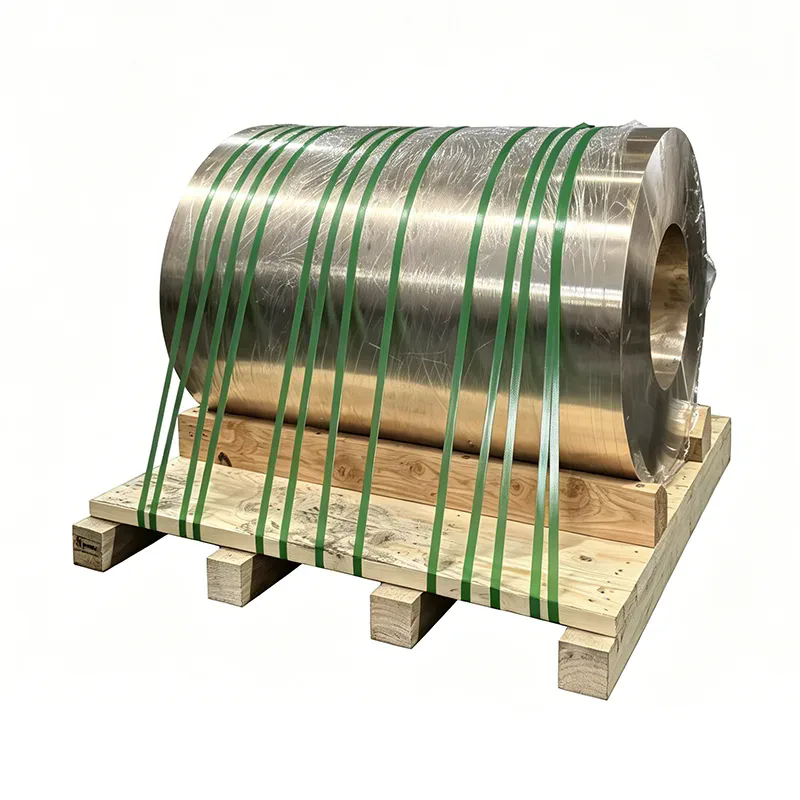
This article explains how Copper Plates And Blocks contribute to better industrial performance, what factors should be considered when selecting copper materials, and how businesses can avoid common purchasing and application challenges. With professional manufacturing experience, Fengquan provides reliable copper solutions designed to meet different industrial requirements.
Article Outline
-
Understanding the role of copper materials in industrial applications
-
Exploring the key benefits of copper plates and blocks
-
Identifying suitable application industries
-
Choosing customized copper products according to project needs
-
Maintaining copper components for long-term performance
Why Are Copper Plates And Blocks Important for Modern Industries?
Copper has been recognized as one of the most valuable engineering metals because of its unique combination of conductivity, durability, and processing flexibility. In many industrial environments, components must handle high electrical currents, rapid heat transfer, and continuous mechanical stress. Copper Plates And Blocks are designed to solve these challenges by providing stable and efficient performance.
In electrical manufacturing, copper plates are often used as conductive parts because they can transfer electricity with minimal energy loss. In thermal management systems, copper blocks help move heat away from critical areas, preventing overheating and improving equipment efficiency.
The increasing demand for high-performance machinery, renewable energy equipment, electric vehicles, and advanced electronic systems has created greater requirements for reliable copper components. Manufacturers need materials that can maintain performance under demanding operating conditions while reducing maintenance costs.
Fengquan focuses on providing quality copper products that support various industrial applications. Through careful material selection and manufacturing control, the company helps customers achieve stable product performance and long service life.
What Advantages Do Copper Plates And Blocks Provide?
Selecting the right metal material directly affects equipment efficiency and reliability. Copper Plates And Blocks offer several important advantages that make them suitable for demanding industrial projects.
|
Feature
|
Industrial Benefit
|
|
High Electrical Conductivity
|
Supports efficient current transmission and reduces energy loss.
|
|
Excellent Thermal Conductivity
|
Helps transfer heat quickly and improves cooling performance.
|
|
Strong Corrosion Resistance
|
Provides reliable operation in different working environments.
|
|
Good Machining Performance
|
Allows customized shapes and precise manufacturing.
|
|
Long Service Life
|
Reduces replacement frequency and maintenance expenses.
|
1. Superior Electrical Conductivity
One of the biggest advantages of copper is its ability to conduct electricity efficiently. Compared with many other common metals, copper offers lower electrical resistance, making it ideal for power distribution systems, electrical connectors, transformers, and industrial control equipment.
Copper Plates And Blocks can maintain stable electrical performance even when equipment operates continuously. This reliability is especially important in applications where unexpected power losses or overheating could affect production efficiency.
2. Effective Heat Dissipation Capability
Modern equipment often generates significant heat during operation. Poor heat management can shorten component lifespan and reduce system efficiency. Copper blocks are widely used in cooling structures because copper transfers heat quickly from high-temperature areas.
From semiconductor equipment to industrial machinery, copper components help maintain suitable operating temperatures and improve overall system stability.
3. Flexible Customization Options
Different industries require different dimensions, thicknesses, surface treatments, and processing methods. Standard copper products may not always meet specific project requirements.
Professional manufacturers like Fengquan can provide customized Copper Plates And Blocks according to customer drawings, technical specifications, and application environments. This flexibility allows businesses to achieve better compatibility with their equipment designs.
Where Are Copper Plates And Blocks Commonly Used?
Copper materials are widely adopted across multiple industries because of their balanced electrical, thermal, and mechanical properties. Understanding application areas helps buyers select suitable products more effectively.
-
Electrical Equipment Manufacturing: Copper plates are commonly used in switchgear, electrical panels, busbars, and power connection systems.
-
Energy Industry: Renewable energy systems, battery equipment, and power storage solutions rely on copper components for efficient energy transmission.
-
Industrial Machinery: Copper blocks are used in machines requiring stable heat control and durable metal structures.
-
Electronic Manufacturing: Precision electronic devices use copper parts for conductivity and thermal management.
-
Automotive Applications: Electric vehicles and charging systems require copper components for reliable power flow.
The wide range of applications demonstrates why copper remains a critical engineering material. Selecting high-quality copper components ensures better equipment efficiency and reduces operational risks.
How to Select the Right Copper Plates And Blocks?
Choosing suitable Copper Plates And Blocks requires careful consideration of material quality, application requirements, and manufacturing accuracy. Many purchasing problems occur because buyers focus only on price while ignoring factors that influence long-term performance.
A reliable copper component should not only meet basic dimensional requirements but also provide consistent conductivity, strength, and durability throughout its service period. The following factors can help businesses make better decisions.
1. Consider Copper Material Grade
Different copper grades have different characteristics. The selected material should match the working environment and technical requirements of the application.
|
Copper Material Consideration
|
Why It Matters
|
|
Purity Level
|
Higher purity copper generally provides better electrical and thermal conductivity.
|
|
Mechanical Strength
|
Important for components exposed to pressure, vibration, or mechanical loads.
|
|
Processing Compatibility
|
Determines whether the material can achieve required shapes and precision.
|
|
Environmental Resistance
|
Helps maintain performance under different operating conditions.
|
2. Evaluate Size and Dimensional Accuracy
Industrial equipment often requires copper components with strict dimensional tolerances. Incorrect thickness, length, or surface flatness may lead to installation problems or reduced system efficiency.
Before purchasing Copper Plates And Blocks, customers should confirm detailed specifications, including:
-
Required thickness and width
-
Overall dimensions and tolerance range
-
Surface finish requirements
-
Machining and drilling needs
-
Special shape requirements
Working with an experienced manufacturer helps ensure that every copper component matches the intended application.
3. Check Manufacturing Capability
The quality of copper products depends heavily on manufacturing technology and quality control processes. Professional production facilities can provide better consistency in material structure, surface quality, and dimensional accuracy.
Fengquan understands that different industries have different expectations for copper products. By focusing on manufacturing precision and customer requirements, Fengquan delivers copper solutions suitable for various industrial environments.
Copper Plates And Blocks Material Performance Comparison
Understanding the differences between copper and other commonly used metals can help companies identify why copper remains a preferred industrial choice.
|
Material
|
Electrical Conductivity
|
Thermal Performance
|
Typical Application
|
|
Copper
|
Excellent
|
Excellent
|
Electrical systems, heat transfer components, precision equipment
|
|
Aluminum
|
Good
|
Good
|
Lightweight structures and general electrical applications
|
|
Steel
|
Lower
|
Moderate
|
Mechanical structures requiring high strength
|
|
Brass
|
Moderate
|
Moderate
|
Decorative parts, fittings, and specialized components
|
Although aluminum and steel have their own advantages, copper provides an excellent balance of conductivity, heat transfer ability, and reliability. This makes it particularly valuable in applications where performance cannot be compromised.
Common Challenges When Using Copper Plates And Blocks
Although copper offers outstanding performance, improper selection or handling can reduce its effectiveness. Understanding common challenges allows users to avoid unnecessary costs.
-
Incorrect Material Selection: Choosing unsuitable copper grades may affect conductivity or mechanical performance.
-
Poor Dimensional Control: Inaccurate sizes can create installation difficulties and reduce equipment efficiency.
-
Surface Oxidation: Long-term exposure to certain environments may affect appearance and surface performance.
-
Insufficient Quality Inspection: Products without proper inspection may experience inconsistent performance.
To overcome these issues, customers should cooperate with manufacturers that understand industrial requirements and provide reliable production standards.
How Can Users Improve the Service Life of Copper Components?
Proper maintenance helps Copper Plates And Blocks maintain stable performance over a longer period. Although copper is naturally durable, appropriate handling and environmental management can further improve reliability.
-
Keep Surfaces Clean: Regular cleaning prevents dust, contaminants, and unwanted deposits from affecting conductivity and heat transfer.
-
Control Operating Conditions: Avoiding extreme temperatures, excessive moisture, or aggressive chemicals helps protect copper surfaces.
-
Perform Regular Inspections: Checking for oxidation, deformation, or connection problems allows early detection of potential issues.
-
Use Proper Installation Methods: Correct installation prevents unnecessary mechanical stress and improves component stability.
For industries that depend on continuous operation, preventive maintenance is an effective method to reduce unexpected downtime and improve equipment efficiency.
Why Choose Fengquan for Copper Plates And Blocks?
Selecting the right supplier is an important step in ensuring product quality and project success. Fengquan focuses on delivering dependable copper solutions that meet different industrial needs.
Customers require copper components that provide consistent performance, accurate dimensions, and reliable service life. Fengquan works to support these expectations through professional manufacturing processes and attention to product quality.
Whether used for electrical equipment, industrial machinery, energy systems, or customized engineering projects, Copper Plates And Blocks from Fengquan are designed to provide practical solutions for demanding applications.
A trusted supplier can help customers reduce material risks, improve production efficiency, and achieve better long-term results.
Frequently Asked Questions About Copper Plates And Blocks
1. What are Copper Plates And Blocks mainly used for?
Copper Plates And Blocks are commonly used in electrical systems, heat management equipment, industrial machinery, electronic manufacturing, and energy-related applications because of their excellent conductivity and durability.
2. Why is copper preferred over other metals?
Copper provides outstanding electrical conductivity and thermal conductivity while maintaining good corrosion resistance and processing flexibility. These properties make it suitable for high-performance industrial applications.
3. Can Copper Plates And Blocks be customized?
Yes. Copper products can be customized according to required dimensions, shapes, thicknesses, machining processes, and application specifications.
4. How can I ensure the quality of copper products?
Choosing an experienced manufacturer, confirming material specifications, and checking production quality standards are effective ways to ensure reliable copper components.
5. What industries need copper components the most?
Electrical manufacturing, renewable energy, automotive technology, electronics, industrial equipment, and power systems are among the major industries using copper components.
Conclusion
Copper Plates And Blocks continue to play an important role in modern industries because they provide excellent conductivity, effective heat management, and dependable durability. From electrical applications to advanced manufacturing systems, copper remains a critical material for improving equipment performance.
Choosing suitable copper products requires attention to material quality, manufacturing accuracy, and application requirements. With professional experience and reliable production capabilities, Fengquan provides copper solutions designed to support different industrial challenges.
If you are looking for high-quality Copper Plates And Blocks with dependable performance and customized options, contact Fengquan today. Our professional team is ready to provide suitable copper solutions for your project requirements. Please contact us for more product information and customized service support.