

How Do Copper Elbow Fittings Work and What Are Their Applications?
2025-12-19
Abstract: Copper elbow fittings are crucial components in plumbing and piping systems, facilitating changes in pipe direction while maintaining flow efficiency. This comprehensive guide explores the specifications, installation methods, and practical applications of copper elbow fittings. Additionally, it addresses common questions encountered by professionals and DIY users alike.
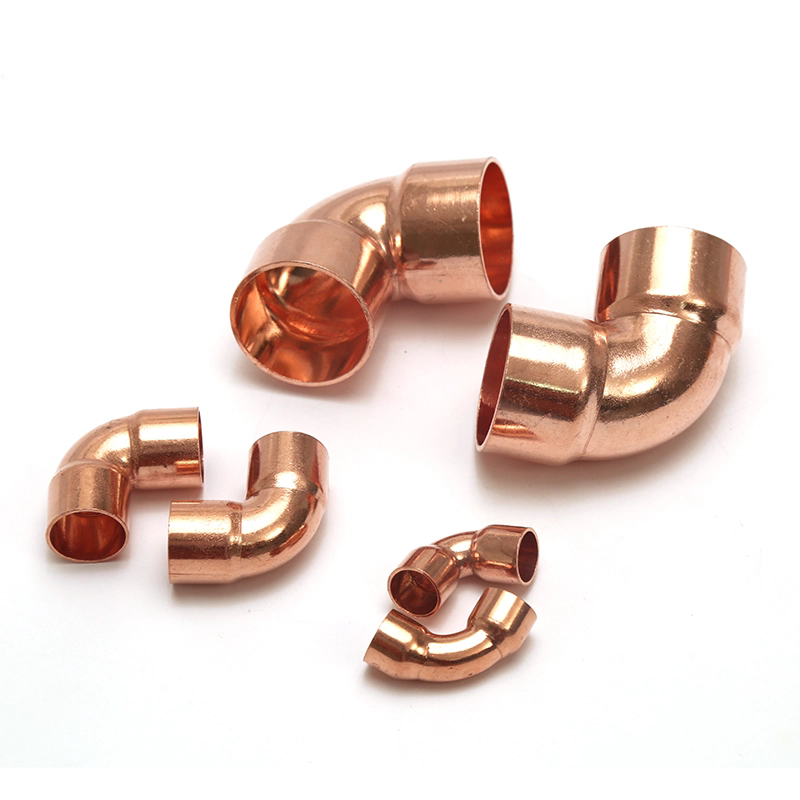
Table of Contents
1. Introduction to Copper Elbow Fittings
Copper elbow fittings are designed to connect two copper pipes at a specific angle, commonly 45° or 90°, allowing fluid or gas to change direction efficiently without leakage. These fittings are widely used in plumbing systems, HVAC installations, and industrial piping networks. The primary purpose of this article is to provide a detailed technical overview of copper elbow fittings, their specifications, practical applications, and answers to frequently asked questions to aid both professionals and DIY enthusiasts in selecting and installing the right fitting for their projects.
2. Copper Elbow Fittings Specifications
The technical specifications of copper elbow fittings determine their performance, durability, and suitability for various applications. Below is a detailed overview of common specifications:
| Parameter | Description |
|---|---|
| Material | High-quality C11000 copper, resistant to corrosion and scaling |
| Angle Options | 45°, 90°, custom angles available on request |
| Diameter Range | 1/4" to 4" (6mm to 100mm) |
| Connection Type | Solder (cup & spigot), compression, or press-fit |
| Pressure Rating | Up to 200 PSI for residential, up to 600 PSI for industrial systems |
| Standards Compliance | ASTM B75, ASTM B88, ISO 9001 certified |
3. Applications of Copper Elbow Fittings
Copper elbow fittings are versatile components in various sectors:
- Residential Plumbing: Redirects water flow in bathrooms, kitchens, and water supply lines.
- Commercial HVAC Systems: Connects piping in heating, cooling, and refrigeration systems.
- Industrial Piping: Supports high-pressure fluid or gas transfer in factories and chemical plants.
- Fire Protection Systems: Integrates into sprinkler piping networks for efficient water distribution.
4. Installation and Maintenance Guide
Proper installation and maintenance are crucial to ensure the reliability of copper elbow fittings:
Installation Steps
- Measure and cut the copper pipe accurately to fit the elbow angle.
- Clean the pipe ends and fitting interiors to remove oxidation and debris.
- Apply flux for soldered connections and heat evenly until solder flows into the joint.
- Allow the joint to cool naturally and check for leaks.
- For press-fit or compression fittings, ensure proper alignment and secure using the specified tool.
Maintenance Tips
- Inspect joints periodically for signs of corrosion or leaks.
- Replace any fittings that show discoloration or wear.
- Ensure water pressure does not exceed the rated capacity of the fitting.
5. Common Questions About Copper Elbow Fittings
Q1: How can I determine the correct size of copper elbow fitting for my project?
A: Measure the outer diameter of your existing copper pipe. Select a fitting with matching size and ensure compatibility with the connection type (solder, press-fit, or compression).
Q2: What is the difference between 45° and 90° copper elbow fittings?
A: A 45° elbow changes the pipe direction gradually, minimizing pressure loss, while a 90° elbow redirects flow sharply, suitable for tight spaces. The choice depends on system design and space constraints.
Q3: Can copper elbow fittings be used for both hot and cold water systems?
A: Yes, high-quality copper elbow fittings can handle both hot and cold water due to copper's high thermal conductivity and resistance to corrosion. Ensure fittings comply with local plumbing codes for temperature limits.
Q4: How do I prevent leaks when installing copper elbow fittings?
A: Proper cleaning of pipe ends, using the correct flux and solder technique, and allowing joints to cool naturally are essential steps. For press-fit or compression fittings, ensure proper alignment and secure tightening.
Q5: Are copper elbow fittings recyclable?
A: Yes, copper is a highly recyclable material. Used or scrap fittings can be collected and sent to metal recycling facilities without significant loss of quality.
6. Conclusion and Brand Information
Copper elbow fittings remain a cornerstone in plumbing and industrial piping systems due to their durability, reliability, and versatility. Professionals and DIY enthusiasts can rely on high-quality fittings for efficient fluid redirection and system longevity. Hongfang provides a wide range of copper elbow fittings, ensuring compliance with industry standards and superior performance. For further inquiries or to request a product quote, contact us today to explore solutions tailored to your project requirements.