
How Do Ceiling Aluminum Profiles Enhance Modern Interior Design and Durability?
2026-03-25
Article Summary
Ceiling aluminum profiles have become a cornerstone of modern architectural design, offering durability, aesthetic flexibility, and long-term cost efficiency. This comprehensive guide explores how these profiles function, their advantages, and how to select the right solution for various applications. Whether you are a contractor, architect, or building owner, understanding ceiling aluminum profiles can help you solve common challenges such as maintenance issues, design limitations, and installation inefficiencies.
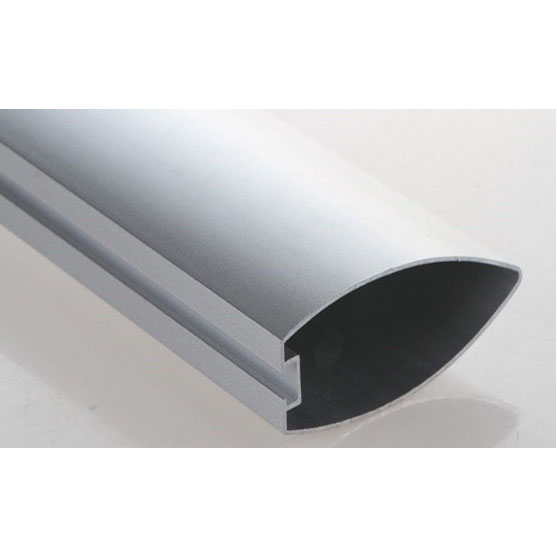
Table of Contents
- 1. What Are Ceiling Aluminum Profiles?
- 2. How Do Ceiling Aluminum Profiles Work?
- 3. Key Benefits for Customers
- 4. Technical Specifications and Features
- 5. Common Types of Ceiling Aluminum Profiles
- 6. How to Choose the Right Product
- 7. Installation and Maintenance Guide
- 8. Frequently Asked Questions
- 9. Conclusion
1. What Are Ceiling Aluminum Profiles?
Ceiling aluminum profiles are structural and decorative components made from high-quality aluminum alloys, designed to support and enhance ceiling systems. They are widely used in commercial buildings, offices, airports, shopping malls, and residential interiors.
These profiles serve both functional and aesthetic purposes. Structurally, they provide a stable framework for ceiling panels. Visually, they contribute to clean lines, modern finishes, and customizable layouts.
2. How Do Ceiling Aluminum Profiles Work?
Ceiling aluminum profiles operate as part of a suspended ceiling system. They are typically installed in a grid or linear arrangement, supporting ceiling panels or decorative elements.
- Profiles are mounted onto a suspension system fixed to the structural ceiling
- Panels or tiles are inserted or clipped into the profiles
- The system allows easy access for maintenance and wiring
- Modular design enables quick replacement or upgrades
This modular functionality addresses a key customer concern: flexibility without compromising structural integrity.
3. Key Benefits for Customers
Customers often struggle with issues such as ceiling deformation, difficult maintenance, and limited design options. Ceiling aluminum profiles effectively solve these problems.
- Durability: Resistant to corrosion, moisture, and deformation
- Lightweight: Easier handling and reduced structural load
- Aesthetic Flexibility: Available in various finishes, colors, and shapes
- Low Maintenance: Easy to clean and long-lasting performance
- Fire Resistance: Aluminum is non-combustible
These advantages make aluminum profiles a preferred choice over traditional materials like wood or gypsum.
4. Technical Specifications and Features
| Specification | Details |
| Material | Aluminum Alloy (e.g., 3003, 6063) |
| Thickness | 0.5mm – 2.0mm |
| Surface Treatment | Powder Coating, Anodizing, PVDF Coating |
| Color Options | Customizable (RAL colors) |
| Installation Type | Suspended Grid / Linear System |
| Fire Rating | Non-combustible |
| Application | Commercial & Residential Ceilings |
Products from Yingtai Technology Co., Ltd. are engineered to meet high standards of precision, ensuring consistent performance across diverse applications.
5. Common Types of Ceiling Aluminum Profiles
Understanding different profile types helps customers choose solutions tailored to their project needs.
- U-Shaped Profiles: Clean and minimalist design
- T-Bar Profiles: Common in suspended ceiling grids
- Clip-In Profiles: Secure and seamless appearance
- Linear Strip Profiles: Ideal for modern architectural aesthetics
Each type offers unique advantages depending on the visual and functional requirements of the space.
6. How to Choose the Right Product
Selecting the appropriate ceiling aluminum profile involves evaluating several factors:
- Project Type: Commercial vs. residential
- Design Requirements: Minimalist, industrial, or decorative
- Environmental Conditions: Humidity, temperature, exposure
- Budget Constraints: Balance between cost and quality
- Installation Complexity: Ease of assembly and maintenance
Choosing a reliable supplier like Yingtai Technology Co., Ltd. ensures product consistency, customization options, and technical support.
7. Installation and Maintenance Guide
Proper installation and maintenance are essential for maximizing the lifespan and performance of ceiling aluminum profiles.
- Follow manufacturer guidelines for installation spacing and load capacity
- Ensure accurate alignment of suspension systems
- Use appropriate fasteners and connectors
- Clean regularly with non-abrasive materials
- Inspect periodically for any structural issues
These practices help maintain both structural integrity and visual appeal over time.
8. Frequently Asked Questions
Q1: Are ceiling aluminum profiles suitable for humid environments?
Yes. Aluminum is highly resistant to corrosion, making it ideal for areas with high humidity such as bathrooms and kitchens.
Q2: Can these profiles support heavy ceiling panels?
When properly installed with the correct suspension system, aluminum profiles can support a wide range of panel weights.
Q3: Are customization options available?
Yes. Profiles can be customized in terms of size, color, finish, and shape to meet specific design requirements.
Q4: How long do ceiling aluminum profiles last?
With proper maintenance, they can last for decades without significant degradation.
9. Conclusion
Ceiling aluminum profiles offer a powerful combination of durability, flexibility, and modern design. They address common customer pain points such as maintenance challenges, limited design options, and structural concerns. By investing in high-quality materials and working with experienced manufacturers, users can achieve long-lasting and visually appealing ceiling solutions.
Yingtai Technology Co., Ltd. specializes in delivering advanced ceiling aluminum profile solutions that meet diverse project requirements with precision and reliability.
If you are planning to upgrade your ceiling system or need expert guidance on selecting the right aluminum profiles, contact us today to discover customized solutions that perfectly match your project needs.