

How Do Carriage Bolts Provide Reliable Fastening Solutions for Modern Construction Projects?
2026-07-21
Article Summary
Carriage bolts are widely used fastening components in woodworking, construction, furniture manufacturing, infrastructure projects, and industrial applications. Their unique rounded head design and square neck structure allow them to create strong, secure connections while preventing rotation during installation. This article explains how carriage bolts work, why they are preferred for specific applications, how to select the right type, and how they help solve common fastening challenges. With professional manufacturing experience, TR provides dependable carriage bolt solutions designed to meet different project requirements with stable quality and reliable performance.
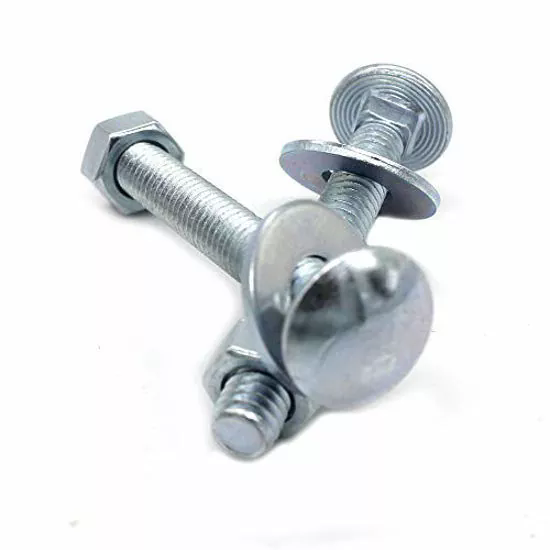
Table of Contents
- 1. Introduction to Carriage Bolts
- 2. How Do Carriage Bolts Work?
- 3. Why Are Carriage Bolts Widely Used?
- 4. Common Applications of Carriage Bolts
- 5. How to Choose the Right Carriage Bolts?
- 6. Carriage Bolts Compared with Other Fasteners
- 7. Quality Factors That Affect Carriage Bolt Performance
- 8. Installation and Maintenance Tips
- 9. Frequently Asked Questions
1. Introduction to Carriage Bolts
Fastening systems play an essential role in ensuring the stability and durability of structures. Among various types of fasteners available on the market, carriage bolts have become a popular choice because of their simple design, strong holding capability, and clean appearance.
A carriage bolt is a specialized fastener featuring a smooth, rounded head and a square section underneath the head. During installation, the square neck locks into the material, preventing the bolt from turning when the nut is tightened. This design makes carriage bolts especially useful in situations where access to the bolt head is limited.
Unlike ordinary bolts that require tools on both ends during tightening, carriage bolts provide a more convenient installation experience. They are commonly manufactured from carbon steel, stainless steel, and other durable materials to meet different environmental and load requirements.
TR focuses on providing reliable fastening products that support customers in industries requiring consistent strength, dimensional accuracy, and long-term durability.
2. How Do Carriage Bolts Work?
The working principle of carriage bolts is based on the interaction between the square neck, bolt hole, and fastening nut. Understanding this structure helps users select and install them correctly.
| Component | Function |
|---|---|
| Rounded Head | Provides a smooth external surface and reduces the risk of snagging or damage. |
| Square Neck | Locks into the installation material to prevent bolt rotation. |
| Threaded Shaft | Creates a strong connection with the matching nut. |
| Nut | Applies clamping force to secure connected components. |
When a carriage bolt is inserted into a pre-drilled hole, the square neck fits tightly into the material surface. As the nut is tightened, the bolt remains stationary while the nut moves along the thread. This creates a strong mechanical connection without requiring a wrench on the bolt head.
3. Why Are Carriage Bolts Widely Used?
Many customers face challenges such as loose connections, difficult installation environments, corrosion risks, and inconsistent fastener quality. Carriage bolts address these problems through their structural advantages.
- Easy Installation: The square neck design prevents unwanted rotation and simplifies assembly.
- Strong Connection: Properly installed carriage bolts provide excellent clamping force for long-term stability.
- Clean Appearance: The rounded head creates a smooth finish suitable for visible applications.
- Versatile Applications: They can be used for wood, metal, and composite material connections.
- Reduced Maintenance: High-quality carriage bolts maintain reliable performance under demanding conditions.
For manufacturers, contractors, and distributors, choosing dependable carriage bolts can reduce installation problems and improve overall project efficiency.
4. Common Applications of Carriage Bolts
Carriage bolts are used across many industries because they combine functionality with practical installation advantages.
| Industry | Typical Uses |
|---|---|
| Construction | Wood structures, bridges, outdoor structures, and building components. |
| Furniture Manufacturing | Tables, chairs, cabinets, and decorative furniture assemblies. |
| Agricultural Equipment | Machinery frames, equipment connections, and outdoor facilities. |
| Transportation | Vehicle components and structural fastening applications. |
| Industrial Equipment | Machine assembly and metal component connections. |
For outdoor applications, corrosion resistance becomes an important consideration. Stainless steel carriage bolts or surface-treated carbon steel options can provide better durability in humid or corrosive environments.
5. How to Choose the Right Carriage Bolts?
Selecting suitable carriage bolts requires careful consideration of several factors. Using the wrong size or material may reduce connection strength and shorten service life.
- Determine Bolt Size: Select the correct diameter and length according to the thickness of connected materials.
- Choose Suitable Material: Carbon steel provides strength and cost efficiency, while stainless steel offers better corrosion resistance.
- Consider Surface Treatment: Zinc plating and other coatings improve protection against rust.
- Check Thread Specifications: Ensure compatibility between bolts and nuts.
- Evaluate Application Conditions: Outdoor, marine, and industrial environments may require specialized solutions.
TR supplies carriage bolts with different specifications to support customized fastening requirements for various industries.
6. Carriage Bolts Compared with Other Fasteners
| Fastener Type | Main Feature | Suitable Applications |
|---|---|---|
| Carriage Bolts | Rounded head and anti-rotation square neck | Wood structures, furniture, general construction |
| Hex Bolts | Requires tool access to the bolt head | Heavy mechanical connections |
| Lag Screws | Direct threading into materials | Wood fastening applications |
| Machine Screws | Designed for threaded holes or nuts | Light equipment assembly |
Compared with many traditional fastening methods, carriage bolts offer a balance between appearance, convenience, and structural reliability.
7. Quality Factors That Affect Carriage Bolt Performance
The performance of carriage bolts depends heavily on manufacturing precision and material quality. Professional production processes help ensure that every fastener meets practical application requirements.
- Material Strength: High-quality raw materials improve load-bearing capability.
- Dimensional Accuracy: Precise dimensions ensure proper fitting and installation.
- Thread Quality: Accurate threads prevent installation difficulties and connection failure.
- Surface Protection: Proper coating improves corrosion resistance.
- Manufacturing Inspection: Strict quality control helps maintain consistent product performance.
TR emphasizes reliable manufacturing standards to provide carriage bolts suitable for professional applications where stability and durability are essential.
8. Installation and Maintenance Tips
Correct installation improves the service life of carriage bolts and reduces potential connection issues.
- Use properly sized holes to ensure the square neck can lock effectively.
- Avoid over-tightening, which may damage threads or connected materials.
- Select corrosion-resistant materials for outdoor applications.
- Inspect fastening points regularly in high-vibration environments.
- Replace damaged or heavily corroded bolts immediately.
Following proper installation procedures helps maintain structural safety and ensures long-term fastening performance.
9. Frequently Asked Questions
Q1: What makes carriage bolts different from regular bolts?
Carriage bolts feature a rounded head and square neck design that prevents rotation during tightening, making installation easier in many applications.
Q2: Are carriage bolts suitable for outdoor use?
Yes. When manufactured from stainless steel or treated with protective coatings, carriage bolts can provide excellent resistance against outdoor environmental conditions.
Q3: Can carriage bolts be customized?
Yes. Carriage bolts can be customized in terms of size, material, surface treatment, and packaging according to specific project requirements.
Q4: How do I select the correct carriage bolt length?
The bolt length should match the combined thickness of the materials being connected while allowing enough thread engagement for secure fastening.
Q5: Where are carriage bolts commonly used?
They are widely used in construction, furniture production, agricultural equipment, industrial machinery, and many other fastening applications.
Conclusion
Carriage bolts provide an effective fastening solution by combining simple installation, strong holding capability, and a clean finished appearance. Their unique square neck structure makes them especially valuable for applications where preventing bolt rotation is important.
Choosing reliable carriage bolts from an experienced supplier can help improve project quality, reduce maintenance requirements, and ensure long-term performance. TR continues to provide high-quality fastening solutions designed to meet diverse industrial and commercial needs.
If you are looking for durable carriage bolts with dependable quality and professional support, please contact us for more product information and customized fastening solutions.