

How Do Auto Chassis Parts Improve Vehicle Safety and Performance?
2026-07-16
Article Summary
Auto chassis parts are the foundation of vehicle stability, handling, and safety. As the structural components that connect the suspension system, wheels, steering system, and vehicle body, high-quality chassis parts directly influence driving comfort, load capacity, and long-term reliability. However, many manufacturers and vehicle owners face challenges such as premature wear, inconsistent quality, poor fitting accuracy, and rising maintenance costs when selecting chassis components.
This article explains how auto chassis parts improve vehicle performance, what factors determine their quality, and how reliable manufacturing solutions can help solve common automotive industry challenges. With advanced production technology and strict quality control, AOKE provides dependable auto chassis parts designed to meet different vehicle applications and customer requirements.
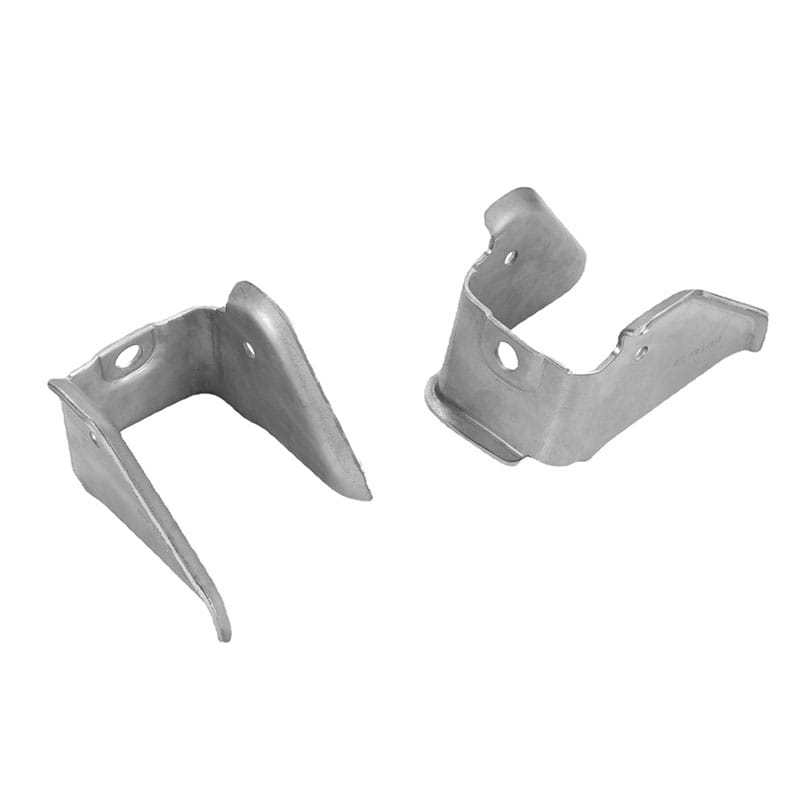
Table of Contents
- 1. What Are Auto Chassis Parts and Why Are They Important?
- 2. How Do Auto Chassis Parts Improve Vehicle Performance?
- 3. What Problems Do Buyers Often Face When Choosing Chassis Parts?
- 4. How Can Manufacturers Ensure High-Quality Auto Chassis Parts?
- 5. Which Materials Are Used for Reliable Chassis Components?
- 6. How to Choose the Right Auto Chassis Parts Supplier?
- 7. What Is the Future Development Trend of Auto Chassis Parts?
- 8. Frequently Asked Questions About Auto Chassis Parts
Article Outline
- Understanding the role of chassis components in modern vehicles
- Exploring the relationship between chassis parts and vehicle performance
- Identifying common purchasing and maintenance challenges
- Learning quality control methods for automotive components
- Understanding material selection and manufacturing technologies
- Choosing professional suppliers for customized solutions
What Are Auto Chassis Parts and Why Are They Important?
Auto chassis parts are essential structural and mechanical components that support the vehicle’s operation. The chassis acts as the framework of a vehicle, connecting important systems including suspension, steering, braking, and wheels. Without reliable chassis components, vehicles cannot maintain proper balance, stability, and safety during operation.
Common auto chassis parts include control arms, brackets, cross members, subframes, suspension components, mounting parts, and other structural elements. These components must withstand continuous stress caused by road conditions, vehicle weight, acceleration, braking, and vibration.
For automotive manufacturers, selecting durable chassis parts is critical because component failure can lead to reduced vehicle performance, increased repair costs, and safety risks. High-precision manufacturing and strict inspection processes help ensure that every part meets demanding automotive requirements.
| Chassis Component | Main Function |
|---|---|
| Control Arm | Connects suspension components and helps maintain wheel alignment |
| Subframe | Supports major vehicle systems and improves structural stability |
| Mounting Bracket | Provides secure installation points for different vehicle parts |
| Cross Member | Strengthens chassis structure and distributes loads |
How Do Auto Chassis Parts Improve Vehicle Performance?
The quality of auto chassis parts directly affects how a vehicle performs on different road conditions. Strong and accurately manufactured chassis components improve stability, reduce vibration, and provide better control for drivers.
One major advantage of high-quality chassis parts is improved driving safety. When suspension and structural components work correctly, vehicles can maintain better contact with the road surface. This helps improve braking efficiency, cornering ability, and overall handling performance.
Reliable chassis components also contribute to passenger comfort. Poor-quality parts may create excessive vibration, unusual noise, or uneven tire wear. Precision-engineered parts reduce these issues by maintaining accurate positioning and proper mechanical connection.
- Enhanced Stability: Strong chassis structures help vehicles remain balanced during acceleration and turning.
- Improved Durability: Quality materials resist fatigue, corrosion, and mechanical stress.
- Better Driving Comfort: Properly designed components reduce vibration and noise.
- Lower Maintenance Costs: Durable parts reduce replacement frequency.
What Problems Do Buyers Often Face When Choosing Chassis Parts?
Purchasing auto chassis parts involves several challenges, especially for vehicle manufacturers, repair companies, and distributors. Selecting unsuitable components can result in additional costs and operational problems.
| Common Challenge | Possible Impact | Effective Solution |
|---|---|---|
| Inconsistent Product Quality | Higher failure rates and customer complaints | Choose suppliers with strict quality inspection systems |
| Poor Dimensional Accuracy | Installation difficulties and reduced performance | Use precision manufacturing processes |
| Limited Customization Capability | Difficulty meeting special vehicle requirements | Work with experienced OEM manufacturers |
| Unstable Supply Capacity | Production delays and inventory problems | Select suppliers with reliable production capabilities |
AOKE understands these challenges and focuses on providing dependable auto chassis parts solutions through advanced manufacturing methods, accurate processing, and professional production management.
How Can Manufacturers Ensure High-Quality Auto Chassis Parts?
High-quality auto chassis parts require more than basic production. Manufacturers need to control every stage, from raw material selection to final inspection.
The manufacturing process usually includes material preparation, stamping or forming, machining, welding, surface treatment, and quality testing. Each step influences the final performance of the component.
- Material Inspection: Ensures raw materials meet strength and durability requirements.
- Precision Processing: Maintains accurate dimensions for proper assembly.
- Surface Protection: Improves corrosion resistance and service life.
- Performance Testing: Confirms reliability under different operating conditions.
A professional supplier should also provide consistent production standards, technical support, and customized manufacturing capabilities to satisfy different automotive applications.
Which Materials Are Used for Reliable Chassis Components?
Material selection plays an important role in determining the strength, weight, and durability of auto chassis parts. Different applications require different material characteristics.
| Material | Advantages | Typical Applications |
|---|---|---|
| High Strength Steel | Excellent strength and impact resistance | Structural chassis components |
| Aluminum Alloy | Lightweight and corrosion resistant | Weight-reduction vehicle designs |
| Special Alloy Materials | Enhanced durability under demanding conditions | Performance and commercial vehicles |
With the development of lightweight vehicles and electric vehicles, manufacturers are increasingly focusing on materials that provide both strength and weight efficiency.
How to Choose the Right Auto Chassis Parts Supplier?
Choosing the right supplier is essential for maintaining product quality and production efficiency. A reliable manufacturer should have strong technical capabilities, professional production experience, and strict quality management.
- Evaluate manufacturing experience and industry knowledge.
- Check production technology and inspection capabilities.
- Confirm customization and OEM service options.
- Review product consistency and delivery reliability.
- Choose a supplier that understands customer application requirements.
AOKE focuses on delivering automotive component solutions that combine precision manufacturing, stable quality, and flexible customization services. By understanding customer needs, AOKE helps partners achieve reliable performance and efficient production.
What Is the Future Development Trend of Auto Chassis Parts?
The automotive industry is rapidly changing, and chassis components are also evolving. Future auto chassis parts will focus on lightweight design, intelligent manufacturing, improved durability, and compatibility with new energy vehicles.
Electric vehicles require chassis systems that can support battery structures while maintaining safety and efficiency. At the same time, advanced manufacturing technologies allow suppliers to produce more precise and complex components.
Manufacturers that continuously improve technology and quality management will be better positioned to support the changing demands of global automotive markets.
Frequently Asked Questions About Auto Chassis Parts
1. What are the most important auto chassis parts?
Important chassis components include control arms, subframes, brackets, cross members, and suspension-related structural parts. These components influence vehicle stability, safety, and handling performance.
2. How often should auto chassis parts be replaced?
Replacement timing depends on vehicle usage, road conditions, material quality, and maintenance practices. Regular inspection helps identify wear before serious problems occur.
3. Why is precision important for chassis components?
Precision ensures proper installation, accurate alignment, and stable vehicle operation. Incorrect dimensions can cause performance issues and accelerate component wear.
4. Can auto chassis parts be customized?
Yes. Professional manufacturers can provide customized chassis solutions based on vehicle models, technical requirements, and production needs.
5. Why choose AOKE for auto chassis parts?
AOKE provides reliable auto chassis parts supported by manufacturing expertise, quality control processes, and customized production capabilities. The company focuses on delivering durable solutions for automotive customers worldwide.
Conclusion
Auto chassis parts play a fundamental role in vehicle safety, stability, and performance. Selecting high-quality components helps reduce maintenance problems, improve driving experience, and increase vehicle reliability.
Through professional manufacturing technology and customer-focused solutions, AOKE continues to provide dependable auto chassis parts for different automotive applications. If you are looking for reliable chassis component solutions with excellent quality and customized support, please contact us today to discuss your requirements.