

How Do Aluminum Deck Balusters Shape Safe and Durable Outdoor Railings?
2026-01-19
Article Abstract
Aluminum deck balusters are a core structural and visual component of modern decking and railing systems. This article explains how aluminum deck balusters are engineered, specified, and applied in outdoor environments, with a clear focus on dimensional parameters, material properties, compliance standards, and installation compatibility. By addressing common technical questions and practical considerations, this guide aims to support informed decision-making for architects, contractors, and project planners seeking reliable and long-lasting railing solutions.
Article Outline
- Definition and role of aluminum deck balusters in railing systems
- Material composition and dimensional standards
- Structural performance and environmental resistance
- Installation compatibility with common deck materials
- Common technical questions and practical answers
- Brand perspective and professional support
How Do Aluminum Deck Balusters Shape Safe and Durable Outdoor Railings?
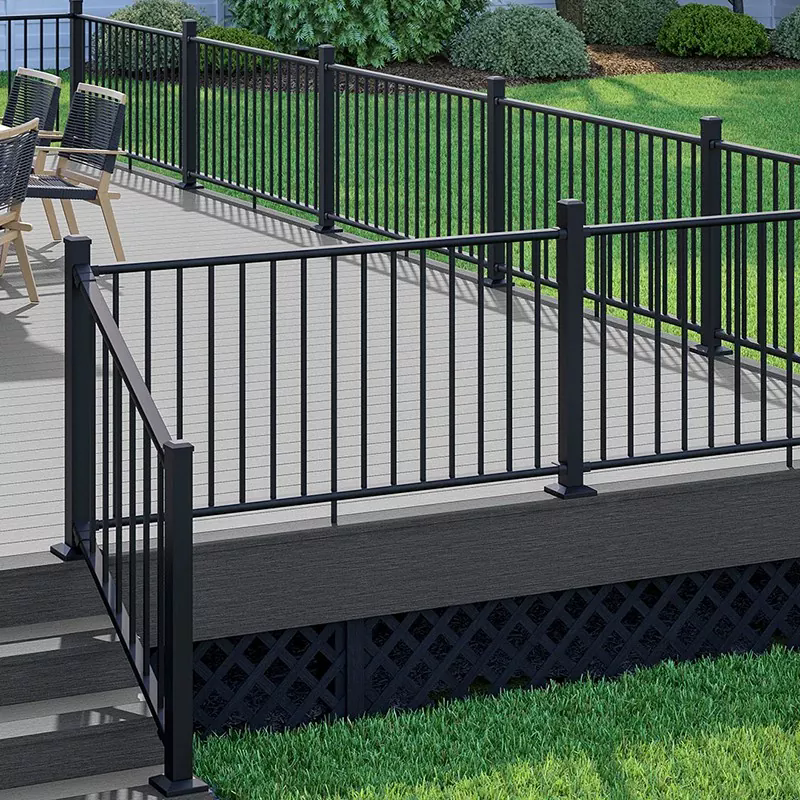
Aluminum deck balusters are vertical infill components used within deck railing systems to provide structural spacing, safety compliance, and visual continuity. As outdoor living spaces continue to expand across residential and commercial environments, the demand for railing components that balance durability, dimensional precision, and environmental resistance has increased significantly. This article focuses on how aluminum deck balusters function within these systems and why their material and technical specifications play a central role in long-term deck performance.
Aluminum Deck Balusters: Technical Parameters
A clear understanding of product parameters is essential when specifying aluminum deck balusters for construction or renovation projects. These parameters determine compatibility with railing frames, compliance with building codes, and overall system stability.
| Parameter | Specification Range | Technical Notes |
|---|---|---|
| Material Grade | 6063-T5 / 6061-T6 Aluminum Alloy | Provides balance between strength, corrosion resistance, and extrusion quality |
| Standard Length | 26" – 44" | Compatible with common deck and stair railing heights |
| Cross-Section Shape | Square / Round / Rectangular | Selected based on aesthetic preference and railing design |
| Surface Treatment | Powder Coated / Anodized | Enhances weather resistance and color stability |
| Wall Thickness | 0.8 mm – 1.5 mm | Impacts rigidity and long-term deformation resistance |
| Spacing Compliance | < 4 inches | Meets standard residential and commercial safety codes |
These specifications ensure that aluminum deck balusters integrate effectively with wood, composite, and aluminum railing frames while maintaining consistent spacing and load distribution.
Application Scenarios and System Compatibility
Aluminum deck balusters are widely used across a variety of outdoor structures, including residential decks, multi-family housing balconies, commercial terraces, and public walkways. Their dimensional consistency allows them to be pre-fitted into railing panels or installed individually using standardized connectors.
- Residential decks requiring long-term outdoor exposure resistance
- Commercial platforms with high foot traffic and strict safety codes
- Stair railings where uniform spacing and rigidity are critical
- Renovation projects replacing traditional wood balusters
Manufacturing Process and Quality Control
Aluminum deck balusters are typically produced through precision extrusion processes, followed by straightening, cutting, surface treatment, and dimensional inspection. Each stage contributes to the final product’s mechanical stability and visual uniformity.
Quality control measures often include alloy verification, wall thickness inspection, coating adhesion testing, and corrosion resistance evaluation. These processes help ensure that each baluster performs consistently across varying climates and usage conditions.
Frequently Asked Questions About Aluminum Deck Balusters
Q: How do aluminum deck balusters perform in outdoor environments?
A: Aluminum deck balusters exhibit strong resistance to moisture, ultraviolet exposure, and temperature fluctuations. When properly coated or anodized, they maintain structural integrity and surface appearance over extended periods without requiring frequent maintenance.
Q: How are aluminum deck balusters installed within railing systems?
A: Installation typically involves pre-drilled top and bottom rails or mounting brackets that secure each baluster vertically. Consistent spacing is maintained using templates or integrated rail systems to meet safety requirements.
Q: Are aluminum deck balusters compatible with different railing materials?
A: Yes. Aluminum deck balusters are commonly used with wood, composite, vinyl, and aluminum railing frames. Proper fasteners and isolators are recommended to prevent galvanic interaction when mixed materials are used.
Conclusion and Contact Information
Aluminum deck balusters provide a stable and adaptable solution for modern railing systems, combining material reliability with dimensional precision. Their role in maintaining safety compliance, visual consistency, and environmental durability makes them a key consideration in both new construction and renovation projects.
As a brand focused on engineered railing components, Vionta continues to support projects with aluminum deck baluster solutions designed for consistent performance and specification clarity. For detailed product information, technical documentation, or project consultation, interested parties are encouraged to contact us directly to discuss specific requirements and application scenarios.