
How Do Aluminum Curtain Wall Profiles Improve Modern Building Performance and Design?
2026-06-04
Modern architecture demands more than attractive appearances. Building owners, developers, architects, and contractors need façade systems that provide durability, energy efficiency, weather resistance, and long-term value. Aluminum Curtain Wall Profiles have become one of the most widely used solutions in commercial buildings, office towers, shopping centers, hotels, airports, and residential developments because they successfully balance aesthetics with structural performance.This article explores how Aluminum Curtain Wall Profiles work, their advantages, selection criteria, common customer concerns, and how they contribute to modern construction projects.
Article Summary
Aluminum Curtain Wall Profiles are the structural framework used in curtain wall systems that support glass, panels, and other exterior cladding materials. They offer excellent strength-to-weight ratios, corrosion resistance, design flexibility, and energy-efficient performance. Choosing the right profile system can reduce maintenance costs, improve building appearance, and enhance long-term structural reliability.
Table of Contents
- What Are Aluminum Curtain Wall Profiles?
- Why Are They Important in Modern Construction?
- Key Advantages of Aluminum Curtain Wall Profiles
- Common Types of Curtain Wall Profile Systems
- How to Choose the Right Aluminum Curtain Wall Profiles
- Common Customer Challenges and Solutions
- Comparison of Aluminum and Other Materials
- Popular Applications
- Maintenance and Service Life
- Frequently Asked Questions
- Conclusion
What Are Aluminum Curtain Wall Profiles?
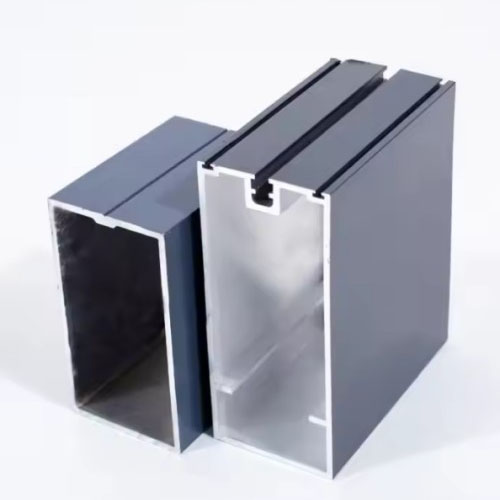
Aluminum Curtain Wall Profiles are specially engineered extruded aluminum components that form the supporting structure of a curtain wall system. Unlike traditional exterior walls, curtain walls are non-load-bearing exterior façades that transfer their own weight and environmental loads to the building structure.
These profiles typically serve as:
- Mullions (vertical members)
- Transoms (horizontal members)
- Pressure plates
- Cover caps
- Framing systems for glass panels
- Structural support components
The primary function of these profiles is to securely hold glass, metal panels, stone veneers, or composite materials while protecting the building from wind, rain, temperature fluctuations, and other environmental conditions.
Why Are They Important in Modern Construction?
Today's buildings require exterior systems that combine appearance, safety, and functionality. Aluminum curtain wall systems help architects achieve expansive glass façades and creative building designs without sacrificing performance.
Several factors have contributed to their growing popularity:
- Demand for energy-efficient buildings
- Need for lightweight construction materials
- Increasing focus on modern architectural aesthetics
- Requirements for faster installation
- Long-term durability expectations
As urban skylines continue evolving, Aluminum Curtain Wall Profiles remain a preferred solution for achieving sophisticated and sustainable building envelopes.
Key Advantages of Aluminum Curtain Wall Profiles
1. Exceptional Strength with Low Weight
Aluminum provides excellent structural strength while remaining significantly lighter than steel. This reduces dead loads on the building structure and simplifies transportation and installation.
2. Superior Corrosion Resistance
Aluminum naturally forms a protective oxide layer that helps resist corrosion. Additional surface treatments such as anodizing and powder coating further enhance durability in challenging environments.
3. Outstanding Design Flexibility
Aluminum extrusion technology allows manufacturers to produce highly customized profile shapes and dimensions. Architects can create unique façade designs while maintaining structural integrity.
4. Enhanced Energy Efficiency
Modern curtain wall systems often incorporate thermal breaks that reduce heat transfer through the framing system. This contributes to improved indoor comfort and reduced energy consumption.
5. Low Maintenance Requirements
Compared with many traditional façade materials, aluminum profiles require minimal maintenance throughout their service life.
6. Sustainability Benefits
Aluminum is highly recyclable and can be reused repeatedly without significant loss of quality, making it an environmentally responsible material choice.
Common Types of Curtain Wall Profile Systems
| System Type | Main Features | Typical Applications |
|---|---|---|
| Stick Curtain Wall | Assembled on-site from individual components | Commercial buildings and offices |
| Unitized Curtain Wall | Pre-assembled factory-made panels | High-rise projects |
| Semi-Unitized System | Combination of factory and site assembly | Medium and large buildings |
| Structural Glazing System | Minimal visible framing | Luxury commercial projects |
| Double-Skin Curtain Wall | Advanced energy performance | Sustainable buildings |
Each system utilizes specialized Aluminum Curtain Wall Profiles designed to meet unique engineering and architectural requirements.
How to Choose the Right Aluminum Curtain Wall Profiles
Selecting the appropriate curtain wall profile system requires evaluating multiple factors.
| Selection Factor | Considerations |
|---|---|
| Building Height | Wind load and structural requirements |
| Climate Conditions | Temperature, humidity, and corrosion exposure |
| Thermal Performance | Energy-saving targets and insulation needs |
| Aesthetic Requirements | Visible profile width and design preferences |
| Maintenance Expectations | Long-term operating costs |
| Budget | Initial investment versus lifecycle value |
Working with an experienced manufacturer ensures profile dimensions, alloy selection, and surface finishes align with project requirements.
Common Customer Challenges and Solutions
Challenge 1: Water Leakage
Poor drainage design or inadequate sealing can lead to water penetration.
Solution: Choose systems featuring advanced drainage channels, quality gaskets, and precision-engineered profiles.
Challenge 2: Thermal Performance Concerns
Energy loss through the façade can increase operating costs.
Solution: Select thermally broken Aluminum Curtain Wall Profiles designed for improved insulation.
Challenge 3: Structural Stability
Tall buildings face substantial wind pressure and movement.
Solution: Use engineered profile systems tested for wind resistance and structural performance.
Challenge 4: Appearance Degradation
Surface fading or corrosion can affect building aesthetics.
Solution: Specify premium anodized or powder-coated finishes suitable for the project's environment.
Comparison of Aluminum and Other Materials
| Property | Aluminum | Steel | PVC |
|---|---|---|---|
| Weight | Light | Heavy | Very Light |
| Strength | High | Very High | Moderate |
| Corrosion Resistance | Excellent | Requires Protection | Excellent |
| Design Flexibility | Excellent | Good | Limited |
| Maintenance | Low | Moderate | Low |
| Recyclability | Excellent | Excellent | Limited |
For most curtain wall applications, aluminum provides the best balance of performance, aesthetics, and lifecycle value.
Popular Applications
Aluminum Curtain Wall Profiles are commonly used in:
- Commercial office buildings
- Corporate headquarters
- Shopping malls
- Airports and transportation hubs
- Hotels and resorts
- Educational institutions
- Healthcare facilities
- Residential high-rise towers
- Convention centers
- Government buildings
Their versatility allows architects to create visually striking façades while meeting demanding engineering standards.
Maintenance and Service Life
One major advantage of Aluminum Curtain Wall Profiles is their longevity. With proper installation and routine inspection, curtain wall systems can maintain excellent performance for decades.
Recommended maintenance practices include:
- Periodic cleaning of glass and aluminum surfaces
- Inspection of sealants and gaskets
- Checking drainage systems
- Monitoring structural connections
- Repairing damaged coatings when necessary
A well-designed aluminum curtain wall system can significantly reduce maintenance expenses over the building's lifecycle.
Frequently Asked Questions
Are Aluminum Curtain Wall Profiles suitable for coastal environments?
Yes. When combined with proper surface treatments such as anodizing or powder coating, aluminum profiles offer excellent corrosion resistance in coastal areas.
How long do aluminum curtain wall systems last?
Many systems remain functional and visually appealing for several decades when properly designed, installed, and maintained.
Can curtain wall profiles improve building energy efficiency?
Yes. Thermally broken profiles and advanced glazing systems help reduce heat transfer and improve energy performance.
Are custom profile designs available?
Absolutely. Aluminum extrusion technology allows manufacturers to create customized profile configurations for specific project requirements.
What surface finishes are available?
Common options include mill finish, anodized finish, powder coating, electrophoresis coating, and wood-grain transfer finishes.
Conclusion
Aluminum Curtain Wall Profiles play a critical role in modern building envelopes by providing structural reliability, aesthetic flexibility, energy efficiency, and long-term durability. Whether used in commercial towers, residential developments, transportation hubs, or landmark architectural projects, these profiles help create façades that meet both functional and visual expectations.
For project owners, architects, contractors, and developers seeking dependable curtain wall solutions, selecting a trusted manufacturing partner is essential. Yingtai Technology Co., Ltd. specializes in high-quality Aluminum Curtain Wall Profiles with customized solutions, precision manufacturing, and strict quality control standards to support a wide range of construction projects worldwide.
Looking for reliable Aluminum Curtain Wall Profiles for your next project?
Yingtai Technology Co., Ltd. provides customized aluminum profile solutions designed to meet demanding architectural and engineering requirements. Whether you need standard curtain wall systems or fully customized profile designs, our experienced team is ready to assist you with professional technical support, competitive manufacturing capabilities, and dependable delivery services.
Contact us today to discuss your project requirements and discover how Yingtai Technology Co., Ltd. can help you achieve superior curtain wall performance and architectural excellence.