

How CNC Parts Processing Improves Manufacturing Accuracy and Efficiency
2026-08-11
Article Summary:
CNC Parts Processing has become an essential manufacturing solution for industries that require high precision, reliable quality, and flexible production capabilities. From aluminum components and mechanical parts to customized industrial products, advanced CNC machining technology helps manufacturers reduce production errors, shorten lead times, and achieve consistent performance. This article explains how CNC Parts Processing works, what challenges it solves, and why choosing an experienced supplier like Zhongyilong can help businesses improve their manufacturing results.
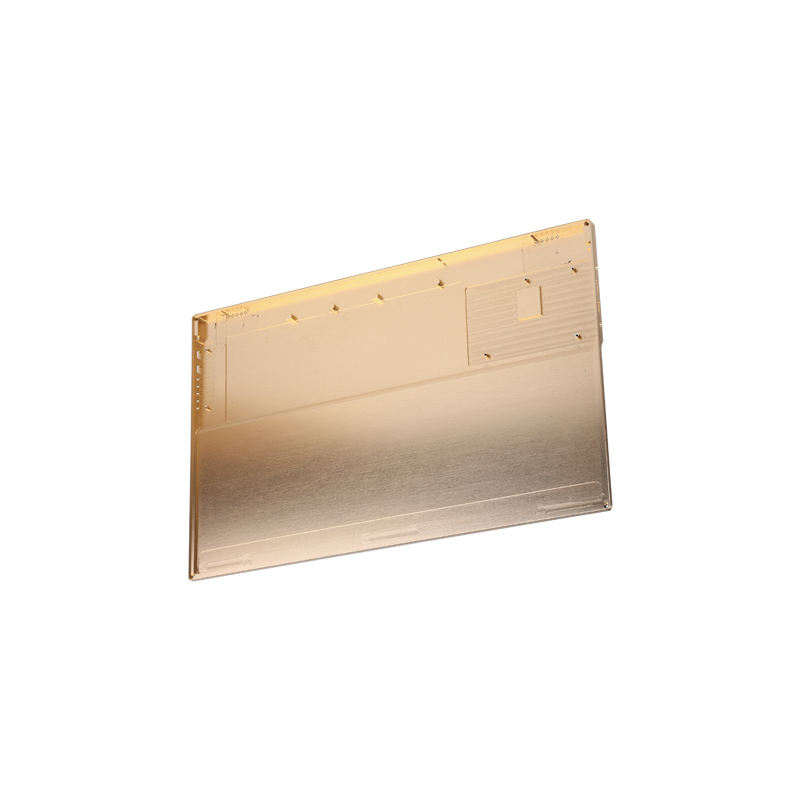
Table of Contents
- 1. Introduction to CNC Parts Processing
- 2. What Manufacturing Problems Can CNC Parts Processing Solve?
- 3. How CNC Parts Processing Works Step by Step
- 4. Key Advantages of Professional CNC Parts Processing
- 5. Common Materials Used in CNC Parts Processing
- 6. Applications of CNC Machined Parts Across Industries
- 7. How to Choose the Right CNC Parts Processing Partner
- 8. Frequently Asked Questions About CNC Parts Processing
1. Introduction to CNC Parts Processing
Modern manufacturing requires components that are not only strong and durable but also produced with extremely accurate dimensions. Traditional machining methods often face limitations when manufacturers need complex geometries, tight tolerances, and repeatable production quality. This is where CNC Parts Processing provides a practical solution.
CNC, which stands for Computer Numerical Control, uses programmed instructions to control machining equipment. Instead of relying entirely on manual operation, CNC machines automatically perform cutting, drilling, milling, turning, and finishing processes according to digital designs.
For companies producing precision components, CNC Parts Processing offers greater control over product quality and manufacturing efficiency. Zhongyilong applies advanced machining techniques and production experience to support customers who need customized CNC components with stable performance.
Whether a project requires small-batch prototypes or large-scale production, CNC machining provides the flexibility needed for different manufacturing requirements. It allows engineers to transform digital drawings into accurate physical parts while maintaining consistent results throughout the production process.
2. What Manufacturing Problems Can CNC Parts Processing Solve?
Many manufacturers experience difficulties when producing precision parts. Common challenges include inconsistent dimensions, complicated designs, high labor costs, and long production cycles. CNC Parts Processing directly addresses these problems through automation and advanced machining control.
| Manufacturing Challenge | How CNC Parts Processing Helps |
|---|---|
| Low dimensional accuracy | Computer-controlled machining improves precision and reduces human operation errors. |
| Complex component designs | CNC machines can produce detailed structures and complicated geometries. |
| Unstable product consistency | Automated programs ensure repeated production with similar results. |
| Long manufacturing cycles | Efficient machining processes shorten production time. |
| High customization requirements | Digital manufacturing allows quick adjustments for different designs. |
For industries such as electronics, automotive, aerospace, medical equipment, and industrial machinery, component accuracy directly affects final product performance. Poorly manufactured parts may lead to assembly problems, increased maintenance costs, and reduced customer satisfaction.
Professional CNC Parts Processing helps businesses avoid these risks by improving machining reliability from the initial design stage to final inspection.
3. How CNC Parts Processing Works Step by Step
Understanding the CNC machining workflow helps manufacturers evaluate production quality and select suitable machining partners. Although different projects may require different processes, professional CNC Parts Processing usually follows several important stages.
Step 1: Design Preparation and Technical Analysis
The manufacturing process begins with a digital design file, usually created through CAD software. Engineers analyze the drawing specifications, material requirements, tolerances, and production expectations before machining begins.
During this stage, experienced manufacturers identify potential production challenges and optimize machining strategies to achieve better results.
Step 2: Material Selection
Choosing the correct material is essential because different applications require different mechanical properties. Aluminum, stainless steel, copper, plastic, and other engineering materials may be selected depending on strength, weight, corrosion resistance, and environmental conditions.
Step 3: CNC Programming
After design confirmation, technicians create machining instructions for CNC equipment. These programs control tool movement, cutting speed, machining paths, and operation sequences.
Accurate programming helps prevent unnecessary material waste and improves production efficiency.
Step 4: Precision Machining
During machining, CNC equipment performs operations such as milling, drilling, cutting, and surface processing. The machine follows programmed instructions to remove material and gradually form the required component shape.
Step 5: Quality Inspection
After machining, each component is inspected to ensure it meets the required specifications. Professional inspection methods may include dimensional measurement, surface quality checks, and functional testing.
A complete inspection process ensures that every CNC component delivered to customers maintains reliable quality and performance.
4. Key Advantages of Professional CNC Parts Processing
Choosing professional CNC Parts Processing provides manufacturers with multiple benefits beyond basic machining. The combination of automation, precision control, and experienced engineering support creates significant value throughout the production process.
- Higher Precision: CNC machines can achieve extremely accurate machining results, making them suitable for applications requiring strict dimensional control.
- Improved Production Efficiency: Automated machining reduces manual intervention and helps complete projects faster.
- Better Repeatability: Once a machining program is verified, the same design can be reproduced consistently for future production.
- Flexible Customization: CNC technology supports customized designs without requiring expensive tooling changes.
- Reduced Material Waste: Precise machining paths help optimize material usage and reduce unnecessary costs.
For businesses looking for dependable manufacturing solutions, Zhongyilong focuses on combining machining technology with strict production management to deliver customized CNC parts that meet different application requirements.
5. Common Materials Used in CNC Parts Processing
The choice of material plays a critical role in determining the performance, durability, and application suitability of CNC machined components. Different industries require different material characteristics, so professional CNC Parts Processing providers must understand how each material behaves during machining.
Zhongyilong supports customized CNC machining projects using various materials according to customer requirements. Selecting the right material helps ensure that finished parts achieve the expected strength, precision, and service life.
| Material | Main Characteristics | Typical Applications |
|---|---|---|
| Aluminum | Lightweight, corrosion resistant, easy to machine, and suitable for precision components. | Electronic housings, industrial components, mechanical structures, and custom enclosures. |
| Stainless Steel | High strength, excellent corrosion resistance, and suitable for demanding environments. | Medical equipment, machinery parts, food processing equipment, and industrial systems. |
| Copper | Excellent electrical conductivity and good thermal performance. | Electrical components, connectors, heat-related applications. |
| Engineering Plastics | Lightweight, chemical resistant, and suitable for special application requirements. | Insulating parts, prototypes, and lightweight structures. |
| Brass | Good machinability, wear resistance, and attractive surface appearance. | Precision fittings, decorative components, and mechanical accessories. |
Among these materials, aluminum is especially popular in CNC Parts Processing because it provides an excellent balance between strength, weight, machining efficiency, and cost control. Aluminum CNC parts are widely used in industries where lightweight structures and precise dimensions are important.
6. Applications of CNC Machined Parts Across Industries
CNC Parts Processing is widely used because it can produce components with different shapes, sizes, and functional requirements. From prototype development to mass production, CNC machining provides manufacturers with a reliable way to create accurate parts.
- Electronics Industry: CNC machining is used to manufacture aluminum casings, protective covers, heat dissipation components, and precision brackets for electronic products.
- Automotive Industry: Vehicle manufacturers use CNC machined parts for engine components, interior parts, testing equipment, and customized mechanical assemblies.
- Industrial Equipment: Machinery manufacturers rely on CNC components to achieve stable equipment operation and accurate mechanical performance.
- Medical Equipment: Precision CNC parts support medical devices that require strict dimensions and reliable material performance.
- Aerospace Applications: Lightweight and high-precision CNC components are used in applications where quality and reliability are essential.
- Consumer Products: Customized CNC parts help product designers create unique structures, prototypes, and finished products.
The flexibility of CNC manufacturing allows businesses to develop products faster and respond more effectively to changing market requirements. Whether creating a new prototype or improving an existing product design, CNC machining provides valuable manufacturing support.
7. How to Choose the Right CNC Parts Processing Partner
Selecting a suitable CNC machining supplier is an important decision because manufacturing quality directly affects product performance and business efficiency. A reliable partner should provide not only machining capabilities but also technical support and quality assurance.
| Evaluation Factor | What to Consider |
|---|---|
| Machining Capability | Check whether the supplier has suitable CNC equipment and experience with different materials and designs. |
| Quality Management | Confirm whether inspection procedures are implemented throughout production. |
| Engineering Support | A professional team should provide suggestions for improving manufacturability and reducing production risks. |
| Customization Ability | The supplier should handle different specifications, prototypes, and production quantities. |
| Production Reliability | Stable delivery schedules and consistent quality are important for long-term cooperation. |
When evaluating CNC Parts Processing suppliers, companies should consider both technical capability and service quality. A manufacturer with strong machining experience can help customers avoid unnecessary production problems and achieve better final results.
Zhongyilong focuses on providing customized CNC machining solutions by combining manufacturing expertise, precision equipment, and strict quality control. The company works with customers to transform design concepts into reliable CNC components.
8. Why Quality Control Matters in CNC Parts Processing
Quality control is one of the most important stages in CNC manufacturing. Even small dimensional differences can affect assembly accuracy, product functionality, and overall reliability.
A professional CNC Parts Processing workflow includes multiple inspection steps to identify potential issues before products reach customers. These inspections help confirm that parts meet technical drawings and application requirements.
- Dimensional accuracy verification
- Surface finish inspection
- Material quality confirmation
- Production process monitoring
- Final product evaluation
Effective quality management reduces the possibility of defects and improves customer confidence. For manufacturers producing complex or high-value products, reliable CNC machining quality can significantly influence market competitiveness.
9. Future Development Trends of CNC Parts Processing
Manufacturing technology continues to develop, and CNC Parts Processing is becoming increasingly intelligent, efficient, and adaptable. Digital manufacturing systems, automation technologies, and improved machining methods are helping companies achieve higher productivity.
Future CNC machining solutions will focus on improving production speed, reducing resource consumption, and supporting more complex product designs. Smart manufacturing technologies will allow manufacturers to monitor production processes more effectively and optimize machining performance.
As industries continue demanding higher precision and customized products, CNC Parts Processing will remain a key manufacturing technology for businesses seeking reliable production solutions.
10. Frequently Asked Questions About CNC Parts Processing
Q1: What is CNC Parts Processing?
CNC Parts Processing is a manufacturing method that uses computer-controlled machines to produce precision components according to digital design files. It includes processes such as milling, cutting, drilling, and surface treatment.
Q2: What types of parts can be produced through CNC machining?
CNC machining can produce many customized components, including aluminum housings, mechanical parts, brackets, industrial accessories, and complex precision structures.
Q3: Why is aluminum commonly used in CNC Parts Processing?
Aluminum is widely used because it is lightweight, corrosion resistant, easy to machine, and provides good mechanical performance for many applications.
Q4: How accurate are CNC machined parts?
The accuracy depends on machine capability, material characteristics, design requirements, and production processes. Professional CNC manufacturers use advanced equipment and inspection methods to achieve precise results.
Q5: Can CNC Parts Processing support customized orders?
Yes. CNC machining is highly flexible and can produce customized parts based on customer drawings, specifications, and application requirements.
Q6: How can businesses reduce CNC machining costs?
Companies can reduce costs by optimizing designs, selecting suitable materials, improving production planning, and cooperating with experienced CNC machining suppliers.
Conclusion
CNC Parts Processing provides manufacturers with an efficient way to create accurate, reliable, and customized components. By combining advanced machining technology, professional engineering support, and strict quality control, CNC machining helps businesses solve common manufacturing challenges such as low precision, inconsistent production, and long lead times.
With extensive experience in customized machining solutions, Zhongyilong continues to support customers across different industries by delivering dependable CNC components designed for real-world applications.
If you are searching for a professional partner for precision CNC manufacturing, Zhongyilong is ready to provide customized solutions that match your project requirements. Please contact us today to discuss your CNC Parts Processing needs and discover how we can help improve your production efficiency and product quality.
