

Abstract: Thick steel plates are crucial in heavy industry, construction, and manufacturing due to their strength, durability, and versatility. This article explores the benefits, applications, selection criteria, and maintenance tips for thick steel plates. By understanding these key factors, businesses can optimize safety, reduce costs, and enhance project efficiency. Sanhe, a leading steel provider, offers high-quality thick steel plates tailored to industrial demands.
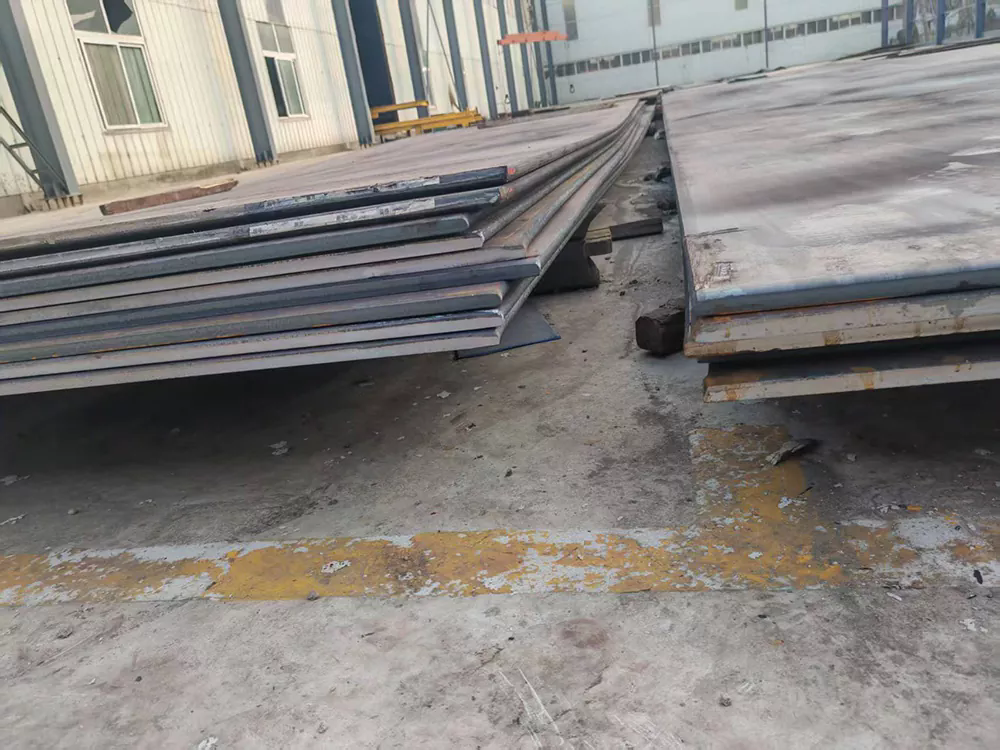
Table of Contents
- What Are Thick Steel Plates?
- Where Are Thick Steel Plates Used?
- Why Choose Thick Steel Plates?
- How to Select the Right Thick Steel Plate?
- How to Maintain Thick Steel Plates?
- FAQ About Thick Steel Plates
What Are Thick Steel Plates?
Thick steel plates are heavy-duty metal sheets with a thickness generally exceeding 6mm. They are designed to provide superior strength, impact resistance, and long-term durability. Typically made from carbon steel, alloy steel, or stainless steel, thick steel plates are essential in industries where structural integrity is non-negotiable.
- Carbon Steel Plates: Cost-effective and widely used for general structural applications.
- Alloy Steel Plates: Enhanced strength and resistance to wear and corrosion.
- Stainless Steel Plates: Superior corrosion resistance for harsh environments.
Where Are Thick Steel Plates Used?
Thick steel plates are indispensable in industries requiring robust materials. Here are some common applications:
| Industry | Application | Benefit |
|---|---|---|
| Construction | Bridges, buildings, and heavy frameworks | Ensures structural integrity and safety |
| Shipbuilding | Ship hulls and offshore platforms | High strength to withstand water pressure and impact |
| Manufacturing | Heavy machinery bases and molds | Durability and long service life |
| Energy & Oil | Pressure vessels, tanks, and pipelines | Resistance to corrosion and high stress |
Why Choose Thick Steel Plates?
Investing in high-quality thick steel plates offers numerous advantages for industrial projects:
- Strength and Durability: Can bear heavy loads and resist impact without deformation.
- Versatility: Suitable for various industries including construction, marine, and energy sectors.
- Safety: High-quality steel ensures reliable structural integrity, reducing failure risks.
- Longevity: Resistant to corrosion, wear, and environmental stress.
- Customizability: Available in different sizes, grades, and finishes to meet project requirements.
Sanhe provides thick steel plates manufactured to precise standards, ensuring optimal performance and reliability for demanding projects.
How to Select the Right Thick Steel Plate?
Selecting the ideal thick steel plate requires careful consideration of several factors:
- Material Grade: Determine whether carbon, alloy, or stainless steel is best suited for your application.
- Thickness Requirements: Assess load-bearing and structural requirements to choose the correct thickness.
- Surface Finish: Consider corrosion resistance, weldability, and aesthetic needs.
- Compliance Standards: Ensure the plate meets relevant industry standards and certifications.
- Supplier Reliability: Partner with a trusted steel provider like Sanhe to guarantee quality and timely delivery.
How to Maintain Thick Steel Plates?
Proper maintenance extends the lifespan of thick steel plates and preserves their structural integrity:
- Regular Cleaning: Remove dirt, debris, and moisture to prevent corrosion.
- Protective Coatings: Apply paints, galvanization, or anti-rust coatings for added protection.
- Routine Inspections: Check for cracks, corrosion spots, or deformation.
- Proper Storage: Store plates in dry, ventilated areas, avoiding direct ground contact.
Following these maintenance tips ensures that thick steel plates from Sanhe remain reliable over time, minimizing downtime and repair costs.
FAQ About Thick Steel Plates
-
Q: What thickness qualifies as a "thick" steel plate?
A: Generally, steel plates over 6mm are considered thick, but applications may require much thicker specifications. -
Q: Can thick steel plates be customized?
A: Yes. Sanhe offers custom sizes, grades, and finishes to meet specific industrial needs. -
Q: Are thick steel plates resistant to corrosion?
A: Stainless and alloy steel plates have excellent corrosion resistance, and carbon steel can be coated for protection. -
Q: How long can thick steel plates last?
A: With proper selection and maintenance, thick steel plates can last several decades in demanding environments.
Sanhe is committed to delivering premium thick steel plates for industrial excellence. Explore our product range at Sanhe Thick Steel Plate and experience superior quality, customization options, and reliable delivery. For more information or to request a quote, contact us today.