

How Can Strip Steel Improve Manufacturing Efficiency and Product Quality?
2026-06-08
Article Summary
Strip steel has become one of the most important raw materials in modern manufacturing. Its excellent dimensional accuracy, consistent mechanical properties, high strength, and outstanding processing performance make it widely used across automotive, electronics, construction, appliance, packaging, and precision engineering industries.
However, many buyers face challenges such as inconsistent quality, poor surface finish, dimensional deviations, material waste, and supply chain disruptions. Understanding how to select the right strip steel and work with a reliable supplier can significantly improve production efficiency while reducing operational costs.
This article explores the advantages of strip steel, common purchasing concerns, material selection guidelines, manufacturing benefits, and practical solutions to help businesses maximize value from their strip steel investments.
Table of Contents
- What Is Strip Steel?
- Why Is Strip Steel Important in Modern Manufacturing?
- Key Benefits of Strip Steel
- Common Applications of Strip Steel
- How to Select the Right Strip Steel
- Common Customer Pain Points and Solutions
- Quality Factors That Matter Most
- How to Choose a Reliable Strip Steel Supplier
- Frequently Asked Questions
- Conclusion
What Is Strip Steel?
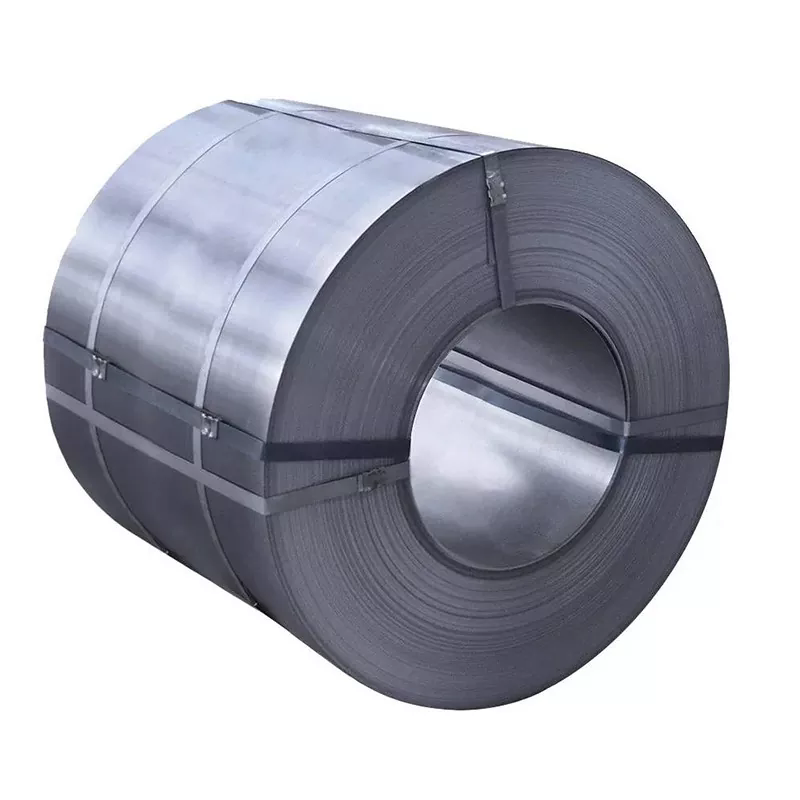
Strip steel is a flat rolled steel product manufactured in coils and processed into narrow widths according to specific industrial requirements. It is available in various grades, thicknesses, widths, surface finishes, and mechanical properties.
Unlike standard steel plates, strip steel offers tighter dimensional tolerances and greater flexibility for downstream processing operations such as:
- Stamping
- Bending
- Welding
- Roll forming
- Punching
- Deep drawing
- Precision component manufacturing
Because of its versatility and cost-effectiveness, strip steel serves as a foundational material for countless industrial products worldwide.
Why Is Strip Steel Important in Modern Manufacturing?
Manufacturers today operate in highly competitive environments where productivity, precision, and material utilization directly affect profitability. Strip steel helps companies achieve these objectives by providing consistent quality and efficient processing characteristics.
Modern production lines demand materials that can maintain stable performance across high-volume operations. Strip steel delivers predictable behavior during forming and fabrication, reducing production interruptions and minimizing scrap rates.
Some of the key reasons manufacturers prefer strip steel include:
- Improved production efficiency
- Lower material waste
- Consistent product quality
- Enhanced forming performance
- Reduced machining requirements
- Reliable dimensional accuracy
- Excellent surface finish options
These advantages contribute directly to lower manufacturing costs and improved customer satisfaction.
Key Benefits of Strip Steel
| Benefit | Description | Business Impact |
|---|---|---|
| Dimensional Precision | Maintains tight thickness and width tolerances | Reduces assembly issues |
| Material Consistency | Uniform mechanical properties throughout the coil | Improves production stability |
| High Strength | Suitable for demanding applications | Enhances product durability |
| Surface Quality | Available in multiple surface finishes | Supports aesthetic and functional requirements |
| Processing Efficiency | Easy to stamp, bend, and form | Reduces manufacturing costs |
| Versatility | Available in numerous grades and specifications | Meets diverse industry needs |
These benefits explain why strip steel remains one of the most widely used steel products in industrial manufacturing.
Common Applications of Strip Steel
Strip steel supports a wide variety of industries and applications.
| Industry | Typical Applications |
|---|---|
| Automotive | Brackets, springs, reinforcement components, structural parts |
| Electronics | Connectors, terminals, shielding components |
| Construction | Profiles, framing systems, support structures |
| Home Appliances | Panels, brackets, housings |
| Packaging | Metal straps and packaging materials |
| Industrial Equipment | Machine parts, precision assemblies, fabricated components |
| Energy Sector | Electrical equipment and infrastructure components |
As manufacturing technologies evolve, demand for precision strip steel continues to increase across both traditional and emerging industries.
How to Select the Right Strip Steel
Selecting strip steel involves much more than simply choosing a thickness and width. Buyers should evaluate several critical factors before making a purchasing decision.
1. Material Grade
Different applications require different mechanical properties. Consider:
- Yield strength
- Tensile strength
- Hardness
- Ductility
- Corrosion resistance
2. Thickness Tolerance
Precision manufacturing applications often require strict thickness consistency. Small deviations can create assembly issues and increase rejection rates.
3. Surface Finish
Surface quality affects appearance, coating performance, welding capability, and overall product functionality.
4. Coil Dimensions
Proper coil width and weight selection helps optimize production efficiency while minimizing material waste.
5. Processing Requirements
Understand how the material will be used:
- Stamping
- Laser cutting
- Bending
- Deep drawing
- Roll forming
- Welding
Selecting material specifications based on actual production requirements helps prevent costly manufacturing issues.
Common Customer Pain Points and Solutions
Many buyers encounter recurring challenges when sourcing strip steel.
| Customer Challenge | Potential Cause | Recommended Solution |
|---|---|---|
| Inconsistent thickness | Poor manufacturing controls | Partner with quality-focused suppliers |
| Surface defects | Improper handling or processing | Request strict inspection procedures |
| Excessive material waste | Incorrect width selection | Optimize coil specifications |
| Production downtime | Unstable material performance | Use certified strip steel products |
| Delivery delays | Weak supply chain management | Choose experienced suppliers |
| Unexpected quality variations | Insufficient quality control | Review supplier testing standards |
Addressing these issues proactively can significantly improve operational performance and reduce overall manufacturing costs.
Quality Factors That Matter Most
When evaluating strip steel quality, buyers should focus on measurable performance indicators rather than price alone.
- Thickness consistency
- Width accuracy
- Edge quality
- Surface smoothness
- Mechanical property stability
- Coil flatness
- Corrosion resistance
- Traceability documentation
Reliable quality control processes help ensure that every coil meets the required specifications and performs consistently throughout production.
Manufacturers that prioritize quality often experience:
- Lower rejection rates
- Reduced maintenance costs
- Higher productivity
- Improved customer satisfaction
- Greater long-term profitability
How to Choose a Reliable Strip Steel Supplier
A dependable supplier can have a significant impact on production efficiency, inventory management, and product quality.
Before selecting a supplier, evaluate the following:
- Industry experience
- Manufacturing capabilities
- Quality assurance systems
- Customization options
- Production capacity
- Lead time reliability
- Technical support availability
- Global supply chain capabilities
An experienced supplier should be able to recommend appropriate grades, dimensions, and processing solutions based on your specific application requirements.
Strong technical support often helps customers solve production challenges before they become costly problems.
Frequently Asked Questions
Q1: What thicknesses are available for strip steel?
Strip steel is available in a wide range of thicknesses depending on application requirements, from ultra-thin precision strips to heavier industrial grades.
Q2: Can strip steel be customized?
Yes. Width, thickness, surface finish, hardness, and coil specifications can often be customized to meet specific manufacturing needs.
Q3: What industries commonly use strip steel?
Automotive, electronics, construction, appliance manufacturing, packaging, energy, and industrial equipment sectors all utilize strip steel extensively.
Q4: How does strip steel reduce manufacturing costs?
Its dimensional consistency and excellent processing performance help minimize waste, reduce downtime, and improve production efficiency.
Q5: What should buyers look for in a supplier?
Focus on quality control systems, technical expertise, production capacity, customization capabilities, and reliable delivery performance.
Conclusion
Strip steel plays a critical role in modern manufacturing by delivering precision, consistency, strength, and processing efficiency. Whether used in automotive components, electronic devices, construction systems, or industrial equipment, the right strip steel solution can significantly enhance productivity while reducing overall production costs.
Successful sourcing begins with understanding application requirements, evaluating material specifications carefully, and partnering with a trusted supplier that prioritizes quality and reliability.
Shunchen is committed to providing high-quality strip steel solutions tailored to the needs of global manufacturers. If you are looking for dependable strip steel products, customized specifications, professional technical support, and stable supply capabilities, contact us today to discuss your project requirements and discover how Shunchen can help improve your manufacturing performance and business competitiveness.