

How Can Steel Plates And Coils Help Buyers Balance Strength, Cost, and Project Reliability?
2026-04-20
When I speak with buyers in construction, manufacturing, energy, and infrastructure, I often notice the same concern coming up again and again: how do we choose Steel Plates And Coils that are strong enough for the job, practical for processing, and stable in supply without driving the total cost too high? That question matters even more when a project has strict timelines and little room for material errors. In that context, companies such as Tianjin Juming Steel Pipe Co., Ltd. naturally come into the conversation, because buyers are no longer looking only for a product list. They want dependable material options, clear specifications, and a supplier that understands how Steel Plates And Coils affect fabrication, transportation, welding, storage, and final performance.
I do not think most buyers struggle because steel itself is hard to understand. The real difficulty usually lies in matching the right product to the right application while controlling hidden risks. If I choose material only by price, I may run into thickness inconsistency, poor flatness, weak surface quality, or delivery delays. If I focus only on premium grades, I may overspend on a project that does not need that level of performance. That is why I always treat Steel Plates And Coils as more than basic commodities. They are core industrial materials that influence the quality, speed, and economics of the entire downstream process.
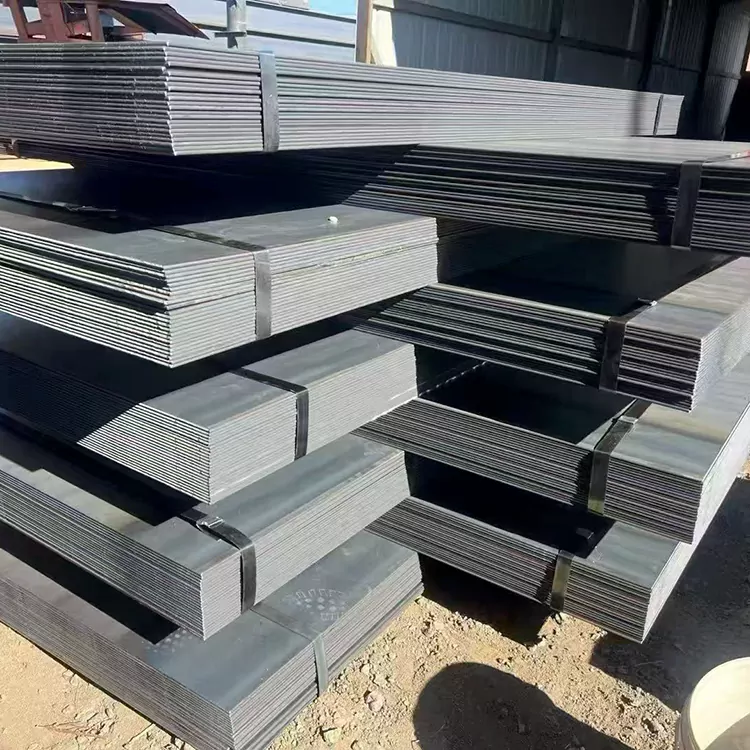
What Do Buyers Usually Expect From Steel Plates And Coils Today?
From my experience, modern buyers are more demanding than before, and for good reason. They are not just purchasing steel. They are purchasing processing efficiency, structural confidence, and delivery predictability. When I evaluate sourcing options, I usually focus on several practical expectations:
- Stable mechanical performance for the intended application
- Consistent thickness and width tolerance
- Good weldability, formability, and machinability
- Reliable surface condition for coating or further fabrication
- Flexible size options for different engineering needs
- On-time production and shipping support
- Clear communication throughout the order process
These points may sound straightforward, but they have a direct impact on project outcomes. When Steel Plates And Coils arrive with reliable dimensional accuracy, I can reduce cutting waste, improve fabrication flow, and shorten installation time. When the chemistry and mechanical properties are aligned with project needs, I can lower the chance of rework or performance disputes later.
Why Do Material Details Matter So Much In Real Purchasing Decisions?
I have seen many buyers assume that one steel plate is basically the same as another, especially when product names look similar on a quotation sheet. In reality, small differences can create large downstream consequences. Grade selection, thickness range, surface condition, edge treatment, and coil stability all matter. Even the way materials are packed and loaded can affect final usability.
For example, if I am sourcing for fabrication workshops, I care about whether the material cuts cleanly and behaves predictably during bending or welding. If I am buying for structural applications, I care more about strength, consistency, and traceability. If the material will be exposed to demanding environments, corrosion resistance and coating compatibility become much more important. Good suppliers understand that Steel Plates And Coils are never one-size-fits-all. Their real value comes from how well they fit the actual use case.
This is why many buyers prefer suppliers that can discuss applications in detail instead of just sending a price table. A strong supplier relationship reduces uncertainty. It helps me compare options based on performance and service, not only based on the lowest offer.
Which Industries Benefit Most From Reliable Steel Plate and Coil Supply?
I find that Steel Plates And Coils are essential across a wide range of sectors, and each sector values them for slightly different reasons. Some need structural stability, some need process flexibility, and others need cost-effective volume supply.
| Industry | Common Use | What Buyers Usually Prioritize |
|---|---|---|
| Construction | Structural parts, frameworks, reinforcements, building components | Strength, dimensional consistency, reliable delivery schedules |
| Manufacturing | Machine housings, fabricated components, industrial equipment | Formability, weldability, thickness accuracy |
| Infrastructure | Bridges, public works, support systems, transport facilities | Durability, stable quality, long-term performance |
| Energy | Equipment structures, storage systems, support assemblies | Material reliability, supply continuity, processing suitability |
| Automotive and Transport | Body parts, support structures, formed metal components | Surface quality, precision, efficient fabrication |
When I look at these applications together, one thing becomes obvious: buyers do not simply need steel in stock. They need Steel Plates And Coils that support productivity and reduce operational friction. That is why product quality and supply chain coordination have become just as important as raw material pricing.
How Can The Right Supplier Reduce Hidden Procurement Risks?
In steel sourcing, hidden risks are often more expensive than visible costs. I may save money on the quotation, but lose more later because of delivery disruption, unexpected processing difficulty, or inconsistent batch quality. A reliable supplier helps control those issues before they become project problems.
When I evaluate a supplier, I usually look for these signs of reliability:
- They provide clear and organized product information
- They understand grade, size, and application matching
- They respond quickly and communicate in a practical way
- They can support customized requirements when needed
- They pay attention to packaging, logistics, and order follow-up
- They understand that every buyer has different cost and performance priorities
This is also where experienced exporters stand out. A company with export awareness usually knows that international buyers care about more than material supply alone. We care about documentation, order coordination, shipping readiness, and whether problems will be handled smoothly if something changes. In my view, the right supplier of Steel Plates And Coils should make procurement feel more controlled, not more complicated.
What Makes Steel Plates Different From Steel Coils In Practical Use?
I think buyers make better decisions when they separate end-use needs clearly. Steel plates and steel coils may belong to the same material family, but they often serve different processing priorities.
Steel plates are usually preferred when I need straightforward fabrication, structural integrity, or specific cut sizes. They are practical for projects that involve heavy-duty applications, load-bearing components, or direct machining and welding. Steel coils, on the other hand, are especially useful when I need continuous processing, roll forming, stamping, slitting, or higher-volume manufacturing flow.
That difference affects purchasing strategy. If my downstream process is highly automated, coil supply may improve efficiency. If my work requires discrete parts with specific dimensions or thicker formats, plate supply may be more suitable. A supplier that offers both options can help me compare the best route based on waste control, processing speed, and total project economics.
| Product Form | Main Advantage | Best Fit For |
|---|---|---|
| Steel Plates | Stable structure and ready-to-fabricate format | Construction, heavy fabrication, machinery, structural work |
| Steel Coils | Efficient continuous processing and flexible conversion | Mass production, forming lines, stamping, slitting operations |
In both cases, the value of Steel Plates And Coils depends on how accurately they align with actual production requirements. Choosing the right form can improve workflow immediately.
Why Is Product Consistency More Important Than A Low Initial Price?
I understand why buyers compare prices aggressively. Steel procurement can involve significant volume, and even a small difference per ton matters. Still, I do not think the cheapest quote is automatically the best decision. If material inconsistency creates production delays, quality complaints, or excess scrap, the total cost quickly rises.
For that reason, I always pay close attention to consistency. Consistent Steel Plates And Coils help me maintain better planning across procurement, fabrication, and delivery. They also reduce the need for constant inspection adjustments and emergency replacements. In real operations, that stability often delivers more value than a slightly lower unit price.
Buyers today are under pressure from both customers and internal management. We are expected to control cost, but also to protect quality and schedule performance. A stable product source helps us do both. That is one reason established suppliers remain attractive even in competitive markets. Confidence has real economic value.
How Do Good Steel Products Support Downstream Processing Efficiency?
I often remind buyers that steel quality does not stop at the warehouse. It keeps affecting performance during cutting, bending, welding, coating, forming, and installation. When I purchase well-made Steel Plates And Coils, I gain advantages that go beyond the material itself.
- Cleaner cutting and less production interruption
- Better fit during assembly and fabrication
- More predictable welding outcomes
- Reduced material waste from dimensional variation
- Improved efficiency in coating, painting, or finishing operations
- Greater confidence in the final product or structure
These are the details that improve output over time. They may not always be obvious in the first email exchange, but they shape the actual success of a purchase. That is why I believe buyers should judge Steel Plates And Coils not only by what they are, but by how well they perform once production begins.
Is It Better To Work With A Supplier That Understands Project Context?
Yes, absolutely. I say that because material sourcing is rarely isolated. It connects to lead times, fabrication plans, end-user expectations, and regional logistics. A supplier that understands the broader project context can often give better recommendations and avoid preventable mistakes.
For example, I appreciate it when a supplier asks about intended use, processing method, size preference, delivery urgency, or surface requirements before finalizing a quotation. That kind of communication shows real understanding. It also saves time. Instead of going back and forth over avoidable revisions, I can move faster toward a workable solution.
Suppliers like Tianjin Juming Steel Pipe Co., Ltd. become more valuable when they are able to support buyers in that practical way. I do not only want access to Steel Plates And Coils. I want useful guidance, clearer purchasing decisions, and smoother project execution from inquiry to delivery.
What Should Buyers Ask Before Placing An Order?
Before I confirm a steel order, I like to review a few key questions that help reduce confusion and improve order accuracy:
- What is the exact application of the material?
- Which grade, thickness, and size range best match the project?
- Will the material be welded, bent, coated, or machined later?
- Are there any special surface or tolerance requirements?
- What quantity and delivery schedule are realistic?
- How will the goods be packed and shipped?
- Can the supplier support long-term or repeat procurement if needed?
These questions make the buying process more efficient. They also help suppliers provide better recommendations. In my opinion, the best sourcing results happen when both sides focus on real application needs instead of rushing straight to the lowest quote.
How Can The Right Steel Plates And Coils Supplier Create Long-Term Value?
Long-term value in steel procurement comes from repeatable success. I want material that performs well, communication that stays clear, and delivery support that remains dependable from one order to the next. When I can trust a supplier to meet those expectations, I spend less time solving problems and more time moving projects forward.
That is why I see strong sourcing relationships as a strategic advantage. Reliable Steel Plates And Coils support better production planning, stronger cost control, and more confident commitments to my own customers. Over time, that stability becomes far more important than chasing short-term price differences from uncertain sources.
If you are currently comparing material options and want a supply partner that understands application needs, quality expectations, and delivery coordination, now is the right time to take the next step. Whether your project requires standard sizes or more specific purchasing support, Tianjin Juming Steel Pipe Co., Ltd. can help you evaluate practical options for Steel Plates And Coils. If you want to reduce procurement risk, improve project confidence, and discuss the right steel solution for your market, contact us today and send your inquiry.