

How Can Stainless Steel Railing Improve Safety and Modern Architectural Design?
2026-07-21
Article Summary
Stainless steel railing has become an essential architectural solution for residential, commercial, and industrial projects because it combines strength, durability, corrosion resistance, and modern visual appeal. However, many property owners, architects, and contractors still face challenges when selecting railing systems, including material durability, maintenance requirements, installation complexity, and long-term cost control.
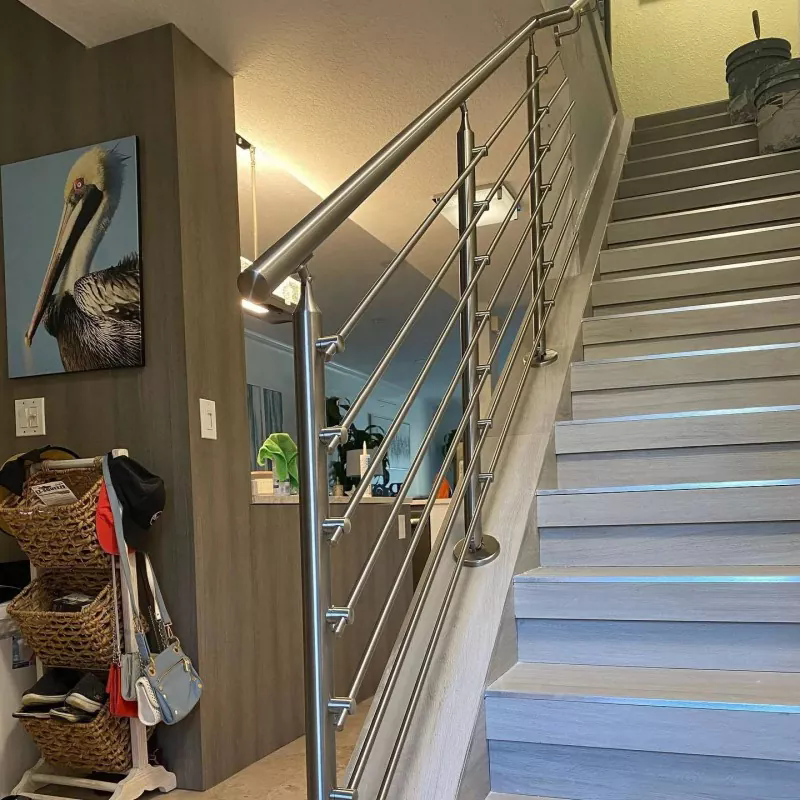
This article explains how stainless steel railing can solve common project challenges, improve safety performance, and create attractive spaces. It also introduces key factors to consider before choosing a railing system and explains why professional manufacturers like Vionta provide reliable solutions for different applications.
Table of Contents
- Understanding Stainless Steel Railing and Its Applications
- How Stainless Steel Railing Solves Common Project Challenges
- Key Advantages of Stainless Steel Railing Systems
- Important Factors When Choosing Stainless Steel Railing
- Stainless Steel Railing Applications in Different Environments
- Installation and Maintenance Considerations
- Why Choose Vionta Stainless Steel Railing Solutions
- Frequently Asked Questions
Understanding Stainless Steel Railing and Its Applications
Stainless steel railing is a structural and decorative system designed to provide safety protection while enhancing the appearance of buildings and outdoor spaces. Made from high-quality stainless steel materials, these railing systems are widely used in balconies, staircases, terraces, walkways, commercial buildings, hotels, public facilities, and industrial areas.
Compared with traditional railing materials, stainless steel offers excellent resistance against rust, moisture, and environmental damage. This makes it suitable for both indoor and outdoor applications where long-term performance is required.
Modern architecture increasingly focuses on clean lines, durability, and low maintenance. Stainless steel railing meets these requirements by providing a combination of minimalist appearance and reliable structural performance.
A well-designed stainless steel railing system can help property owners reduce replacement costs, improve user safety, and maintain an attractive appearance throughout years of service.
How Stainless Steel Railing Solves Common Project Challenges
Choosing the right railing system is often challenging because projects must balance safety requirements, design expectations, budget limitations, and environmental conditions. Stainless steel railing provides practical solutions to many common problems.
| Common Challenge | How Stainless Steel Railing Helps |
|---|---|
| Frequent corrosion and material damage | Stainless steel provides strong corrosion resistance, especially in humid and outdoor environments. |
| High maintenance costs | The smooth surface requires less maintenance compared with many traditional railing materials. |
| Limited design flexibility | Different finishes, structures, and configurations support customized architectural designs. |
| Safety concerns | Strong stainless steel construction provides stable protection for stairs, balconies, and platforms. |
| Short service life | Durable stainless steel materials support long-term use under various conditions. |
For contractors and designers, stainless steel railing provides a practical balance between appearance and performance. It allows projects to achieve modern aesthetics without sacrificing safety and reliability.
Key Advantages of Stainless Steel Railing Systems
Stainless steel railing has gained popularity worldwide because of its outstanding material characteristics. The following advantages make it a preferred choice for many construction and renovation projects.
- Excellent Corrosion Resistance: Stainless steel contains protective elements that help resist oxidation and rust, making it suitable for outdoor and coastal environments.
- Strong Structural Performance: Stainless steel provides excellent strength, allowing railing systems to maintain stability under daily use and external impact.
- Modern Appearance: Polished, brushed, or customized finishes create a clean and elegant appearance that matches different architectural styles.
- Low Maintenance Requirement: Stainless steel surfaces are easy to clean and maintain, reducing long-term maintenance expenses.
- Long Service Life: Properly designed stainless steel railing systems can provide reliable performance for many years.
These advantages make stainless steel railing a valuable investment for residential properties, commercial buildings, and public infrastructure.
Important Factors When Choosing Stainless Steel Railing
Selecting an appropriate stainless steel railing system requires careful consideration of several factors. A suitable choice depends on the project location, usage requirements, design expectations, and installation conditions.
- Material Grade: Different stainless steel grades provide different levels of corrosion resistance and strength. Choosing the correct grade helps ensure long-term performance.
- Surface Finish: The finish affects both appearance and maintenance requirements. Common options include brushed, satin, and polished surfaces.
- Design Requirements: The railing structure should match the building style while meeting safety requirements.
- Environmental Conditions: Projects near oceans, industrial areas, or high-humidity locations may require enhanced corrosion protection.
- Manufacturing Quality: Precision fabrication and strict quality control influence the final performance of the railing system.
Working with an experienced manufacturer helps customers avoid unsuitable material choices and ensures that the railing system meets project expectations.
Stainless Steel Railing Applications in Different Environments
Stainless steel railing is highly versatile and can be applied in various environments. Its durability and aesthetic flexibility make it suitable for multiple industries.
| Application Area | Benefits |
|---|---|
| Residential Buildings | Improves balcony and staircase safety while adding modern decoration. |
| Hotels and Commercial Centers | Creates an elegant appearance that enhances customer experience. |
| Office Buildings | Provides durable railing solutions with professional visual appeal. |
| Outdoor Public Areas | Withstands weather exposure and frequent usage. |
| Industrial Facilities | Offers reliable protection for platforms, stairs, and working areas. |
Because of its adaptability, stainless steel railing continues to be an important element in modern construction projects worldwide.
Installation and Maintenance Considerations
Although stainless steel railing requires less maintenance than many other materials, proper installation and regular care are still important for maximizing service life.
- Ensure accurate measurements before manufacturing to achieve proper fitting.
- Use professional installation methods to maintain structural stability.
- Clean surfaces regularly to remove dust, stains, and environmental residue.
- Avoid using harsh chemicals that may damage the surface finish.
- Inspect connection points periodically to ensure continued safety performance.
A combination of quality manufacturing, correct installation, and simple maintenance can significantly extend the lifespan of stainless steel railing systems.
Why Choose Vionta Stainless Steel Railing Solutions
Vionta specializes in providing reliable stainless steel railing solutions designed to meet different architectural and engineering requirements. With professional manufacturing capabilities and attention to detail, Vionta focuses on delivering products that combine safety, durability, and attractive design.
Every project has different requirements, and Vionta understands the importance of customized solutions. From material selection and structural design to surface finishing and production quality, each step is carefully managed to provide customers with dependable railing systems.
By choosing a professional stainless steel railing supplier, customers can reduce project risks, improve installation efficiency, and achieve long-lasting performance.
Frequently Asked Questions
Q1: Why is stainless steel railing suitable for outdoor applications?
Stainless steel railing offers excellent corrosion resistance and can withstand exposure to moisture, temperature changes, and outdoor environments. This makes it a reliable choice for balconies, terraces, and outdoor walkways.
Q2: How long can stainless steel railing last?
The service life depends on material quality, installation conditions, and maintenance practices. High-quality stainless steel railing can provide long-term performance with proper care.
Q3: Is stainless steel railing difficult to maintain?
No. Stainless steel railing requires relatively simple maintenance. Regular cleaning with suitable methods can help preserve its appearance and performance.
Q4: Can stainless steel railing be customized?
Yes. Stainless steel railing can be customized in terms of dimensions, structure, surface finish, and design style to meet different project requirements.
Q5: What should customers consider when purchasing stainless steel railing?
Customers should consider material quality, manufacturer experience, design requirements, environmental conditions, and installation support before making a decision.
Conclusion
Stainless steel railing provides an effective solution for projects requiring safety, durability, and modern design. Its corrosion resistance, low maintenance requirements, and flexible appearance make it suitable for a wide range of applications.
With professional manufacturing experience and customized solutions, Vionta helps customers create reliable railing systems that meet different architectural needs. For high-quality stainless steel railing solutions tailored to your project requirements, please contact us today.