Article Summary
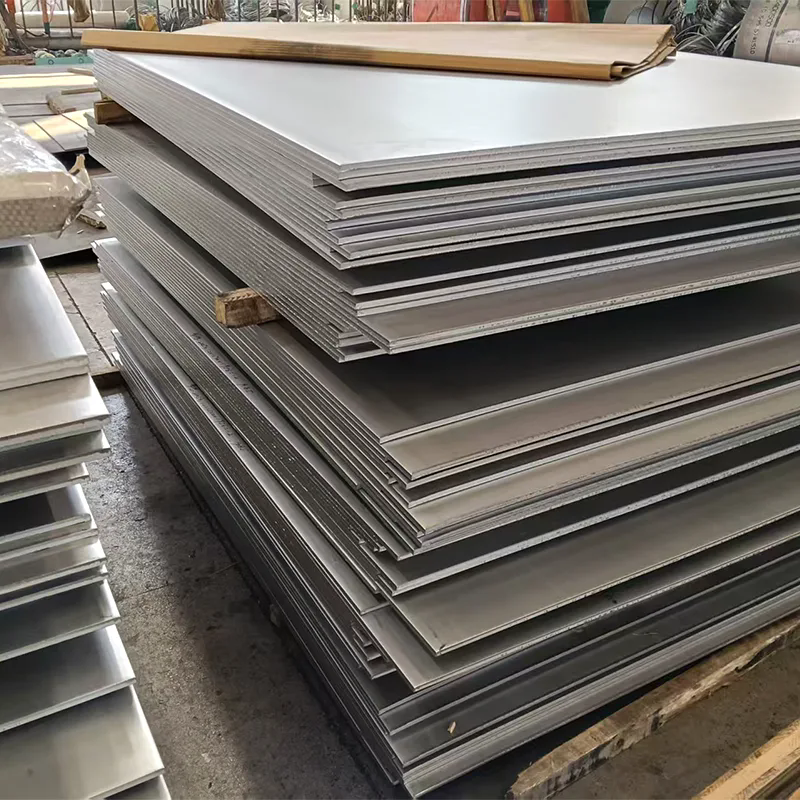
Stainless steel plate is one of the most widely used industrial materials due to its strength, corrosion resistance, and versatility.
This article explores how stainless steel plate solves common manufacturing and engineering pain points, how to select the right grade,
and how businesses can maximize performance in different environments. It also includes technical insights, application comparisons,
and practical guidance provided by industry experience from Lingchuang, a professional supplier in the metal materials field.
Article Outline
-
Introduction to stainless steel plate properties
-
Material classification and grades overview
-
Use cases across industries
-
Technical selection criteria
-
Comparison of performance metrics
-
Manufacturing and processing insights
-
Customer challenges and engineering solutions
-
Maintenance and lifecycle optimization
-
FAQs and practical insights
What is Stainless Steel Plate?
Stainless steel plate is a flat steel product containing chromium, nickel, and other alloying elements that significantly enhance corrosion resistance and mechanical strength.
It is widely used in environments where durability and long service life are required, especially in chemical processing, construction, marine engineering, and energy systems.
Unlike carbon steel, stainless steel plate resists oxidation and surface degradation even under harsh environmental exposure. This makes it a preferred choice for long-term structural and industrial applications.
Types and Grades
Stainless steel plates are categorized based on metallurgical structure and composition. Each type serves different industrial requirements.
-
Austenitic (304, 316): High corrosion resistance, excellent weldability
-
Ferritic: Magnetic properties, good stress corrosion resistance
-
Martensitic: High hardness and wear resistance
-
Duplex: Balanced strength and corrosion resistance
Industrial Applications
Stainless steel plate is used across multiple industries due to its adaptability and durability. Common applications include:
-
Construction structural components
-
Pressure vessels and storage tanks
-
Marine and offshore platforms
-
Food processing equipment
-
Chemical and pharmaceutical machinery
Companies like Lingchuang supply stainless steel plates tailored to these applications, ensuring consistency and compliance with industrial standards.
How to Choose the Right Plate
Selecting the correct stainless steel plate depends on multiple factors:
-
Corrosion exposure level (marine, chemical, indoor)
-
Mechanical load requirements
-
Temperature conditions
-
Fabrication method (welding, cutting, forming)
-
Budget constraints
A well-informed selection reduces maintenance costs and extends equipment lifespan significantly.
Comparison Table of Common Grades
|
Grade
|
Corrosion Resistance
|
Strength
|
Typical Use
|
|
304
|
High
|
Medium
|
Food equipment, architecture
|
|
316
|
Very High
|
Medium
|
Marine, chemical processing
|
|
430
|
Moderate
|
Medium
|
Appliances, decorative uses
|
|
Duplex 2205
|
Excellent
|
High
|
Oil & gas, offshore structures
|
Manufacturing Process
The production of stainless steel plate involves multiple stages that determine final quality and performance:
-
Melting and alloy composition control
-
Hot rolling to achieve base thickness
-
Annealing for structural stability
-
Pickling to remove surface impurities
-
Cold rolling for precision finishing
-
Surface treatment and inspection
Precision in each step ensures uniform thickness, strength consistency, and long-term reliability.
Common Customer Pain Points
-
Unexpected corrosion in harsh environments
-
Inconsistent thickness and surface defects
-
Difficulty in welding and fabrication
-
High replacement and maintenance costs
-
Uncertainty in material grade selection
Practical Solutions
To address these challenges, engineers and procurement teams should focus on material traceability, certified sourcing, and proper grade selection. Lingchuang provides quality-controlled stainless steel plate solutions designed to minimize failure risks and improve operational efficiency.
-
Use corrosion-resistant grades like 316 in marine environments
-
Ensure supplier certification and batch traceability
-
Apply surface treatment for extended lifespan
-
Match thickness with load-bearing requirements
Maintenance Tips
Proper maintenance significantly extends the service life of stainless steel plate installations:
-
Regular cleaning to remove contaminants
-
Avoid chloride-rich cleaning agents
-
Inspect weld joints periodically
-
Apply protective coatings when necessary
FAQ
Q1: Why is stainless steel plate preferred in industrial use?
It offers a unique combination of corrosion resistance, strength, and long service life.
Q2: What is the most commonly used grade?
Grade 304 is widely used due to its balance of cost and performance.
Q3: Can stainless steel plate be welded easily?
Yes, especially austenitic grades, which offer excellent weldability.
Q4: How do I choose between 304 and 316?
Choose 316 for marine or chemical exposure; 304 is suitable for general applications.
Conclusion & Contact
Stainless steel plate remains a critical material in modern engineering due to its adaptability and durability.
Whether used in construction, manufacturing, or chemical processing, its performance depends heavily on proper selection and quality control.
Lingchuang is committed to providing high-quality stainless steel plate products that meet diverse industrial requirements.
With consistent quality assurance and technical support, customers can achieve greater operational stability and efficiency.
If you are looking for reliable stainless steel plate solutions or technical consultation, please feel free to contact us to discuss your project needs and get professional support.