

How Can Semi-finished 316 Stainless Steel Tube Improve Industrial Manufacturing Efficiency?
2026-10-09
Semi-finished 316 Stainless Steel Tube is an important intermediate material for manufacturers seeking corrosion resistance, reliable mechanical performance, and flexibility in further processing. Made from 316 stainless steel, which contains molybdenum, this tube material offers improved resistance to chloride-related corrosion compared with standard 304 stainless steel in many environments. It can serve as a starting point for additional machining, cutting, forming, welding, and finishing processes, depending on its original manufacturing condition and intended application.
For industrial buyers, selecting the right semi-finished tube is not simply about purchasing stainless steel. Material composition, dimensional consistency, surface condition, processing requirements, and supply reliability all influence production efficiency and final product quality. Jiangsu Jilaida Nickel based Alloy Co., Ltd. provides a company name associated with nickel-based alloys and stainless steel material sourcing, making material specifications and application requirements important considerations when evaluating suitable products.
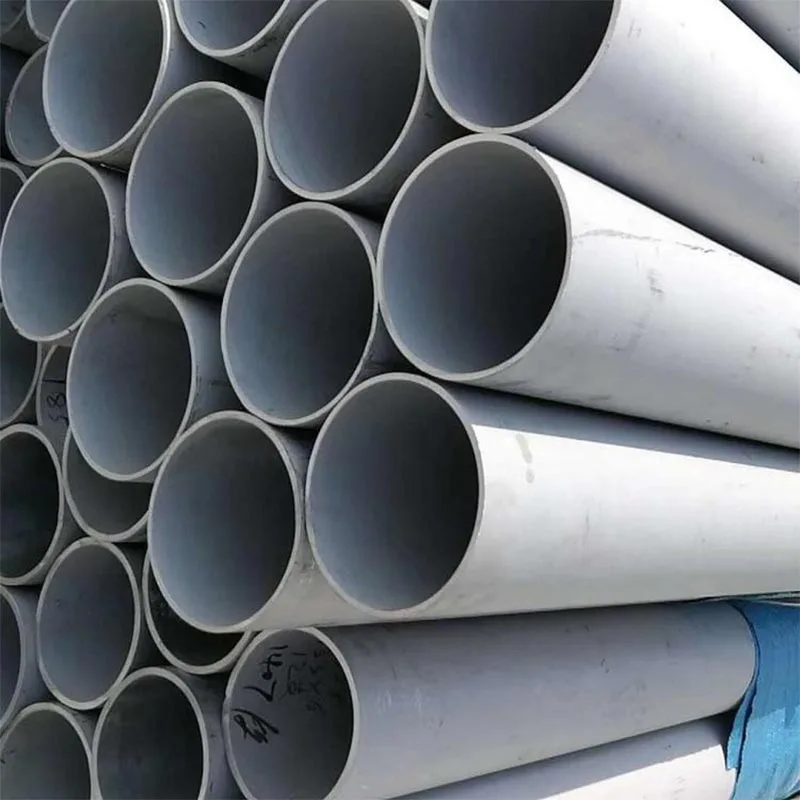
1. What Makes Semi-finished 316 Stainless Steel Tube Valuable?
Corrosion Resistance for Demanding Environments
316 stainless steel contains chromium, nickel, and molybdenum. The molybdenum addition helps improve resistance to pitting and crevice corrosion, particularly in chloride-containing environments. This makes the material suitable for many applications involving moisture, industrial chemicals, and marine exposure.
However, its actual performance depends on factors such as chloride concentration, temperature, surface condition, and exposure duration. It should not be considered immune to corrosion under every operating condition.
Flexible Processing for Different Production Needs
Semi-finished tubes allow manufacturers to carry out additional operations according to specific product designs. Depending on the supplied condition, these operations may include:
-
Cutting to customized lengths
-
Precision machining and drilling
-
Bending and forming
-
Welding and assembly
-
Surface polishing or other finishing treatments
This flexibility helps manufacturers adapt standard material forms to different equipment designs without requiring every component to be purchased as a fully finished product.
Reliable Mechanical Performance
316 stainless steel generally provides a useful combination of strength, ductility, and toughness. These properties support fabrication into components that must maintain structural integrity during handling, assembly, and service.
For applications involving pressure, elevated temperatures, or cyclic loading, buyers should confirm the applicable material standard, tube dimensions, heat treatment condition, and required mechanical test results before production.
2. Where Are Semi-finished 316 Stainless Steel Tubes Used?
The material's combination of corrosion resistance and fabrication flexibility makes it relevant across several industrial sectors.
| Application | Typical Use | Key Benefit |
|---|---|---|
| Chemical processing | Equipment components and fluid-handling systems | Resistance to many corrosive media |
| Marine engineering | Selected piping and structural components | Improved resistance to chloride-related corrosion |
| Food and beverage processing | Equipment frames and selected process components | Corrosion resistance and cleanable surfaces |
| Pharmaceutical equipment | Fabricated tubing components | Potential suitability for hygienic equipment designs |
| Industrial machinery | Connectors, sleeves, and fabricated parts | Versatility in machining and assembly |
| Heat exchange systems | Selected tube components | Corrosion resistance under suitable service conditions |
The correct material grade and finish depend on the application. Food, pharmaceutical, and pressure-related systems may require additional standards, certifications, surface requirements, or specialized manufacturing controls.
3. How Does Material Selection Affect Manufacturing Efficiency?
Improve Processing Compatibility
Selecting a tube with suitable dimensions, tolerances, and delivery condition can reduce unnecessary preparation work. Manufacturers should determine whether the supplied tube is intended for machining, welding, bending, or further finishing before placing an order.
Clear technical communication helps align the raw material with downstream equipment and production processes.
Reduce Quality Risks
Inconsistent wall thickness, dimensional deviations, surface defects, or incorrect material composition can lead to rework and production delays. A systematic inspection process helps identify potential issues before the material enters the next manufacturing stage.
Buyers should consider the following quality checkpoints:
-
Chemical composition: Verify the specified grade and material certification.
-
Dimensional accuracy: Check outside diameter, wall thickness, and length.
-
Mechanical properties: Confirm tensile strength, yield strength, and elongation when required.
-
Surface condition: Inspect for scratches, defects, scale, or other unacceptable imperfections.
-
Traceability: Ensure material identification and inspection documentation meet project requirements.
These checks support more predictable manufacturing outcomes and help reduce avoidable quality costs.
4. What Should Buyers Consider Before Purchasing?
Choosing Semi-finished 316 Stainless Steel Tube requires more than comparing unit prices. A suitable purchasing decision should consider the total cost of processing, inspection, transportation, and long-term service.
Essential Purchasing Checklist
-
Define the application: Identify the operating environment, fluid exposure, temperature, and mechanical requirements.
-
Confirm specifications: Establish the required dimensions, tolerances, material standard, and delivery condition.
-
Evaluate processing needs: Determine whether cutting, bending, welding, machining, or polishing will be performed after delivery.
-
Review quality documentation: Request relevant inspection reports and material certificates.
-
Assess supplier capability: Review production consistency, technical communication, customization options, and delivery arrangements.
-
Compare total cost: Evaluate material price alongside processing efficiency, expected service life, and quality risks.
A well-defined specification allows suppliers to provide more accurate quotations and reduces misunderstandings during order fulfillment.
5. Why Work with Jiangsu Jilaida Nickel based Alloy Co., Ltd.?
For industrial buyers, a dependable material supplier can contribute to smoother procurement and more consistent production planning. When evaluating Jiangsu Jilaida Nickel based Alloy Co., Ltd., buyers should discuss the required stainless steel grade, tube dimensions, processing condition, and intended application to determine whether the available products match project needs.
Important considerations include specification confirmation, material traceability, inspection documentation, customized sizing where available, and delivery coordination. These factors are especially relevant for manufacturers that purchase semi-finished materials for repeated production runs or specialized industrial projects.
Rather than selecting a tube based on grade alone, buyers should ensure that the complete specification aligns with the demands of the finished component. This approach supports better material utilization, more efficient downstream processing, and greater consistency in manufacturing.
Conclusion
Semi-finished 316 Stainless Steel Tube offers manufacturers a practical combination of corrosion resistance, mechanical versatility, and processing flexibility. Its value depends on choosing the right specifications for the operating environment and ensuring that material quality meets production requirements.
By evaluating dimensions, material certification, surface condition, and supplier reliability, industrial buyers can make more informed sourcing decisions and reduce unnecessary production risks.
Looking for a suitable stainless steel tube material for your next project? Contact us to discuss your technical specifications, application requirements, and sourcing needs with Jiangsu Jilaida Nickel based Alloy Co., Ltd. Make your next material purchasing decision with greater confidence and a clearer understanding of your production goals.