

How Can Reinforcing Steel Improve Construction Quality and Safety?
2026-05-19
Summary: Reinforcing steel, commonly known as rebar, is a crucial material in modern construction. This article explores its applications, benefits, types, installation techniques, and maintenance practices. By understanding the role of reinforcing steel, construction professionals can enhance the durability, safety, and efficiency of their projects.
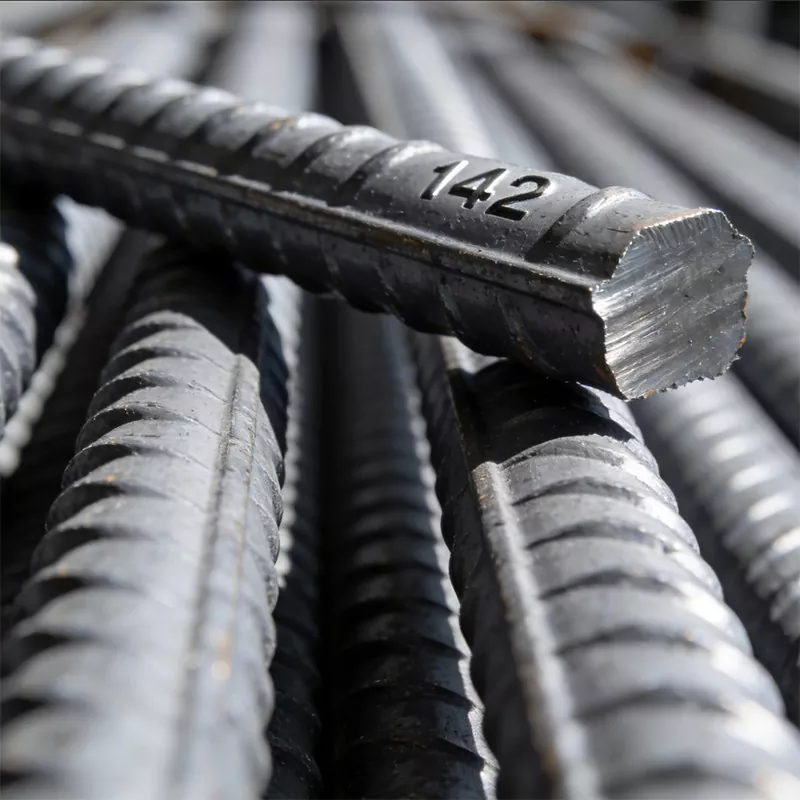
Table of Contents
- What is Reinforcing Steel?
- Types of Reinforcing Steel
- Benefits of Using Reinforcing Steel
- Installation Techniques
- Maintenance and Safety Tips
- FAQ
What is Reinforcing Steel?
Reinforcing steel, or rebar, is a high-strength steel bar used to strengthen and support concrete structures. Concrete has excellent compressive strength but weak tensile strength. By embedding reinforcing steel within concrete, the combined material can resist various structural stresses, ensuring durability and safety in construction projects.
Reinforcing steel is widely used in:
- High-rise buildings
- Bridges and highways
- Tunnels and subways
- Industrial facilities
- Residential projects
Tianjin Shunchen specializes in producing high-quality reinforcing steel that meets global construction standards, ensuring reliable performance across various projects.
Types of Reinforcing Steel
Understanding the different types of reinforcing steel can help engineers select the right material for specific projects. The common types include:
| Type | Description | Typical Use |
|---|---|---|
| Carbon Steel Rebar | Standard rebar with high tensile strength. | General construction, concrete beams, slabs, and columns. |
| Epoxy-Coated Rebar | Rebar coated with epoxy to resist corrosion. | Marine structures, bridges, and coastal buildings. |
| Stainless Steel Rebar | Highly resistant to rust and chemical damage. | High-value constructions, chemical plants, and coastal zones. |
| Galvanized Rebar | Steel coated with zinc for enhanced corrosion protection. | Parking structures, tunnels, and wet environments. |
Benefits of Using Reinforcing Steel
Reinforcing steel offers numerous advantages for construction projects, including:
- Enhanced Structural Integrity: Rebar significantly increases the tensile strength of concrete.
- Durability: Properly installed rebar ensures long-lasting performance even under extreme conditions.
- Cost-Effectiveness: Reduces maintenance and repair costs over the structure's lifespan.
- Flexibility in Design: Supports innovative architectural and engineering designs.
- Safety: Minimizes the risk of structural failures, protecting both property and lives.
Tianjin Shunchen provides reinforcing steel that meets strict quality standards, helping builders achieve these benefits efficiently.
Installation Techniques
Proper installation of reinforcing steel is critical to maximize its performance. Key steps include:
- Planning: Review structural drawings and determine rebar placement and spacing.
- Cutting and Bending: Use precision tools to cut and bend rebar according to design specifications.
- Positioning: Place rebar in forms, ensuring proper alignment and adequate cover from concrete surfaces.
- Tying: Secure rebar intersections using wire ties or mechanical fasteners.
- Inspection: Verify placement and ensure compliance with design and safety standards before pouring concrete.
Following these steps ensures that reinforcing steel delivers its intended structural benefits and prevents issues like cracking or corrosion over time.
Maintenance and Safety Tips
Even high-quality reinforcing steel requires attention during construction and throughout the structure's life:
- Store rebar in dry, elevated areas to prevent rust before use.
- Inspect periodically for signs of corrosion or damage.
- Use protective coatings for rebar exposed to moisture or chemicals.
- Ensure proper concrete cover to shield rebar from environmental exposure.
- Follow industry-standard safety procedures when handling and installing steel.
By maintaining reinforcing steel properly, builders can extend the lifespan of their projects and reduce long-term repair costs.
Frequently Asked Questions (FAQ)
1. Why is reinforcing steel essential in concrete construction?
Concrete is strong in compression but weak in tension. Reinforcing steel provides the tensile strength required to prevent cracking, collapse, or structural failure.
2. What are the most common types of reinforcing steel?
Carbon steel, epoxy-coated rebar, stainless steel, and galvanized steel are the most widely used, each suited for different environments and applications.
3. How can I prevent corrosion of reinforcing steel?
Use protective coatings, ensure proper concrete coverage, and store steel properly before installation to minimize exposure to moisture and chemicals.
4. Can reinforcing steel be recycled?
Yes, reinforcing steel is highly recyclable, making it an environmentally friendly choice for sustainable construction projects.
In summary, reinforcing steel is an indispensable material in modern construction. Its proper selection, installation, and maintenance are critical to ensuring project safety, longevity, and cost-efficiency. Tianjin Shunchen offers a wide range of premium reinforcing steel solutions tailored to meet diverse construction needs. For more information on products, specifications, and expert support, contact us today and elevate your construction projects with reliable steel reinforcement.