

How Can Plain Color Aluminum Composite Panel Improve Modern Interior and Signage Projects?
2026-04-21
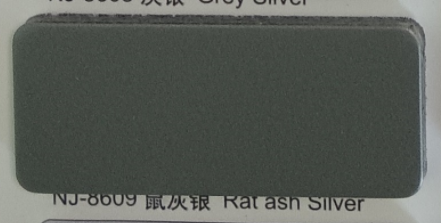
When I evaluate decorative materials for commercial interiors, retail signage, partitions, and display surfaces, I pay close attention to appearance consistency, installation efficiency, and long-term value. That is exactly why I find myself paying more attention to Shandong Yunzhi New Materials Co., Ltd. and its approach to Plain Color Aluminum Composite Panel. In practical projects, I do not simply want a panel that looks clean on day one. I want a material that stays visually stable, handles fabrication well, supports custom color requirements, and helps me complete projects with less waste and less complication. A well-made Plain Color Aluminum Composite Panel gives me that balance between aesthetics and usability, which is why it remains a dependable choice for many interior decoration and branded display applications.
What Do I Actually Expect From a Reliable Decorative Panel?
When I choose a panel for interior cladding or display work, I am usually trying to solve several problems at once. I need a surface that looks neat and professional, but I also need something practical enough for fabrication, transport, and on-site installation. If a material is too heavy, too fragile, or too inconsistent in color, it quickly creates extra cost and frustration.
From my experience, a dependable panel should offer the following advantages:
- It should present a smooth and uniform visual effect
- It should be light enough to simplify handling and installation
- It should allow flexible processing for cutting, shaping, and mounting
- It should support custom project requirements instead of forcing standard-only options
- It should remain suitable for long-term interior decorative use
That is where Plain Color Aluminum Composite Panel becomes especially useful. It gives me a straightforward, clean-color finish that can work in offices, shops, exhibition spaces, hospitality projects, and indoor branding areas without making the design feel overly busy.
Why Do So Many Buyers Prefer Plain Color Aluminum Composite Panel for Everyday Applications?
I think the answer is simple. Many buyers do not need exaggerated textures or complicated visual effects. In a large number of real projects, what works best is a clean, stable, modern surface that can match branding systems, interior palettes, and architectural lines. A plain-color finish often feels more versatile because it blends into more environments while still looking refined.
For me, the strongest practical reasons include:
- It helps create a tidy and professional appearance
- It matches minimalist and contemporary design preferences
- It is easier to integrate into different commercial environments
- It supports printed graphics, signage backgrounds, and decorative wall use
- It reduces the risk of style conflict in multi-material spaces
When I compare materials for interior decoration, I often notice that Plain Color Aluminum Composite Panel gives me more freedom to coordinate the project as a whole. Instead of forcing the design to revolve around the panel, the panel supports the design direction I already want to achieve.
Which Product Features Matter Most When I Compare Options?
Not every buyer focuses on the same details, but I usually pay attention to a few core performance points. A decorative panel should not just look acceptable in a product photo. It should also make daily work easier for fabricators, installers, and procurement teams.
| Feature | Why I Care About It | Project Benefit |
|---|---|---|
| Lightweight structure | It is easier to transport, lift, and position | Lower handling pressure and smoother installation |
| Clean plain-color finish | I need a surface that looks uniform and modern | Better visual consistency across large areas |
| Fabrication flexibility | I often need cutting, shaping, and custom sizing | More adaptable for signage and decorative panels |
| Customization support | Project color and size needs are rarely identical | Better fit for branded and made-to-order projects |
| Interior decoration suitability | I want stable performance in indoor environments | More confidence in long-term application use |
These are not abstract selling points to me. They directly affect procurement decisions, labor efficiency, design coordination, and client satisfaction. That is why I do not look at Plain Color Aluminum Composite Panel as a basic commodity. I see it as a material that can reduce friction throughout the project process.
How Does This Material Help Me Solve Common Buyer Pain Points?
One of the biggest problems I face in sourcing decorative materials is the gap between product presentation and real project performance. A material may look attractive online, yet create issues once I begin cutting, moving, or installing it. I want fewer surprises, not more.
Here are several buyer concerns I often encounter and how this type of panel helps address them:
-
Problem I worry that the finished surface may look uneven across multiple boards
Solution A well-produced plain-color panel helps maintain a more consistent visual effect -
Problem I do not want installation slowed down by heavy or awkward materials
Solution The lightweight nature of composite panel construction makes field handling more manageable -
Problem I need a material that suits both decorative and display-related uses
Solution The panel works well for interior finishes, partitions, branding backgrounds, and signage support -
Problem My project may require custom specifications
Solution Customization options make it easier to align the product with actual jobsite needs -
Problem I need value, not just a low purchase price
Solution Easier transport, workable fabrication, and cleaner installation all contribute to practical cost efficiency
When I think in terms of total project value instead of simple unit price, Plain Color Aluminum Composite Panel becomes even more appealing. It can help save time during handling, simplify design execution, and reduce downstream complications.
What Makes a Plain-Color Finish So Useful in Commercial Design?
I often find that commercial spaces demand visual discipline. Whether I am working on a showroom, office wall, reception backdrop, shop interior, or indoor advertising panel, the material needs to support the brand image without making the space feel overloaded. A plain-color finish does that very well.
It gives me a surface that can feel:
- Neat rather than distracting
- Modern rather than outdated
- Professional rather than overly decorative
- Flexible enough for many different color strategies
This is especially important when I am designing for brands that want a strong visual identity but still need the environment to feel clean and approachable. In that context, Plain Color Aluminum Composite Panel serves as a stable visual foundation rather than competing with the rest of the project.
Which Applications Can Benefit Most From Plain Color Aluminum Composite Panel?
In my view, this material is not limited to one narrow use. It fits a wide range of indoor and display-related applications where appearance, weight, and ease of fabrication all matter.
| Application | Why It Fits | What I Value |
|---|---|---|
| Interior wall decoration | Creates a clean and contemporary surface | Simple visual impact with practical installation |
| Retail display backgrounds | Supports product presentation without distraction | Color consistency and polished appearance |
| Commercial partitions | Helps define space while keeping weight manageable | Ease of fabrication and modern finish |
| Indoor signage panels | Provides a strong base for branded visual communication | Clean surface and customization potential |
| Exhibition and display projects | Suitable for temporary or semi-permanent installations | Transport convenience and efficient setup |
Because these use cases are so common, I think it makes sense for buyers to choose a material that can cover multiple needs instead of sourcing a different substrate for every small application.
How Do I Judge Whether a Supplier Understands Real Project Demands?
I never look only at the product name. I also pay attention to whether the supplier appears to understand what buyers actually need in day-to-day work. I want a supplier that recognizes that orders are not purely technical transactions. They are part of design, scheduling, fabrication, logistics, and client delivery.
That is why companies like Shandong Yunzhi New Materials Co., Ltd. attract attention in this space. When I review a supplier for Plain Color Aluminum Composite Panel, I look for signs that they understand customization, practical use scenarios, and the need for dependable decorative materials that can work smoothly in real projects.
I usually ask myself these questions:
- Can the supplier support customization for different project needs?
- Does the material appear suitable for decorative and display applications?
- Will the panel help simplify transport and installation?
- Can I expect a finish that works well in modern commercial interiors?
- Is the supplier presenting the product with practical value rather than empty slogans?
Those questions matter because good sourcing is never just about buying a board. It is about choosing fewer future problems.
What Should I Remember Before Making My Final Buying Decision?
If I had to summarize my advice in one clear idea, it would be this: I should not choose a decorative panel based only on appearance. I should choose it based on how well it performs across the full workflow of design, purchase, transport, fabrication, installation, and final presentation.
A strong Plain Color Aluminum Composite Panel offers more than a simple color-coated surface. It can help me create cleaner interiors, support custom project requirements, reduce handling inconvenience, and maintain a professional finish across a variety of commercial applications. For buyers who want a material that is practical, adaptable, and visually reliable, it remains a smart option worth serious consideration.
If you are currently comparing materials for your next project and want a dependable solution that balances appearance with usability, now is a good time to take a closer look. If you want tailored product details, customization support, or pricing information, please contact us and send your inquiry to Shandong Yunzhi New Materials Co., Ltd.. I believe the right conversation at the beginning of a project can save a great deal of time and cost later, and this is exactly where a trusted Plain Color Aluminum Composite Panel supplier can make a real difference.