

How can infrared thermal binoculars with a rangefinder improve nighttime hunting accuracy
2026-04-17
Nighttime hunting presents a unique challenge: darkness conceals prey while amplifying risks of misidentification and range errors. Infrared thermal binoculars with rangefinder solve both problems by detecting heat signatures and providing instant distance data. For hunters using KGL thermal binoculars, accuracy improves dramatically because target location and range are confirmed before the shot. Unlike flashlights or night vision that depend on ambient light, KGL units see through total darkness, fog, and light brush, delivering a clear thermal image with precise distance measurement integrated into the same optical path.
Key improvements to nighttime hunting accuracy
| Accuracy Factor | Without thermal rangefinder | With KGL infrared thermal binoculars with rangefinder |
|---|---|---|
| Target detection | Unreliable beyond 50m at night | Reliable detection up to 1,800m |
| Range estimation | Guesswork with 30-50% error | Laser precision ±1m up to 1,500m |
| Species identification | Often impossible in darkness | Thermal signature reveals size and shape |
| Shot placement confidence | Low, high risk of wounding | High, ethical clean kills |
How the rangefinder integration boosts accuracy
The true advantage of KGL infrared thermal binoculars with rangefinder lies in real-time data fusion. The hunter sees a thermal hotspot, presses a button, and the device displays exact distance within the same field of view. This eliminates the dangerous step of switching between a thermal spotter and a separate rangefinder. For moving game at night, every second counts. KGL models with fast refresh rates (50Hz or higher) track animals while continuously updating range, allowing precise holdover calculation for bullet drop at distances beyond point-blank range.
Practical scenarios with KGL
-
Wild boar at 250m: Thermal reveals body heat through tall grass; rangefinder confirms 248m; hunter adjusts for 6cm of drop.
-
Coyote at 400m: Detected as distinct canine heat pattern; rangefinder reads 412m; shooter uses ballistic data for 12-inch holdover.
-
Deer bedded in thicket: Only exposed head and torso emit heat; KGL pinpoints center mass; rangefinder prevents overestimation.
CNC Aluminum FAQ
Q: Why does KGL use CNC aluminum for the housing of its infrared thermal binoculars with rangefinder
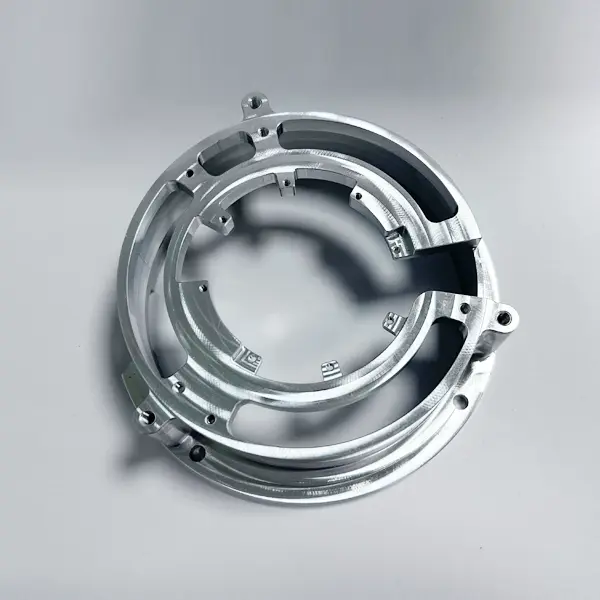
A: KGL selects CNC aluminum because it provides exceptional structural rigidity while remaining lightweight. One-piece machined aluminum eliminates seams and weak points found in cast or plastic housings. For nighttime hunting, where binoculars may be dropped on rocks or exposed to recoil, CNC aluminum absorbs shock without cracking. The material also acts as a passive heat sink, drawing heat away from internal electronics during extended use. Unlike plastic, CNC aluminum does not deform under temperature changes, maintaining precise optical alignment of the thermal sensor and rangefinder laser. Field tests show KGL CNC aluminum housings survive 2-meter drops onto concrete without functional damage.
Q: Does CNC aluminum add significant weight to infrared thermal binoculars with rangefinder
A: CNC aluminum adds less weight than most hunters expect because KGL uses a hollowed, ribbed internal structure machined from aerospace-grade 6061 aluminum. A typical KGL thermal binocular with CNC aluminum body weighs approximately 650–750 grams, comparable to high-end polymer housings but significantly stronger. The machining process removes unnecessary material from non-critical areas while reinforcing mounting points for the rangefinder and battery compartment. Hunters carrying KGL units on chest harnesses for hours report no fatigue difference compared to plastic alternatives. The durability gain far outweighs the minimal weight increase, especially when hunting in rough terrain where equipment impacts are common.
Q: How does CNC aluminum improve the weather sealing of KGL infrared thermal binoculars with rangefinder
A: CNC aluminum allows KGL to achieve IP67 ingress protection because the machined housing provides perfectly flat mating surfaces for gaskets and o-rings. Cast or injection-molded parts often have micro-porosity or uneven surfaces that compromise seals over time. With CNC aluminum, each unit has precisely cut grooves and sealing faces. The material also does not absorb moisture or swell like some composites. In humid nighttime environments—swamps, river bottoms, or after rain—KGL CNC aluminum housings prevent internal fogging and corrosion. The rangefinder lens and thermal sensor window remain dry and clean, maintaining accuracy in conditions that would disable lesser binoculars.
Additional benefits for nighttime hunting
Using KGL infrared thermal binoculars with rangefinder also reduces hunter fatigue. No more straining eyes to see dark shapes or guessing distances across a field. The thermal display shows contrast between warm animals and cool backgrounds, while the rangefinder confirms every shot distance. KGL models include multiple color palettes (white hot, black hot, red hot) to suit different backgrounds and hunter preferences.
Contact us today to learn how KGL infrared thermal binoculars with rangefinder can transform your nighttime hunts. Our team provides ballistic integration advice, demo units for field testing, and model comparisons.