

How Can Hot Rolled Plate Improve Structural Strength and Manufacturing Efficiency?
2026-06-08
Article Summary
Hot rolled plate is one of the most widely used steel products in construction, shipbuilding, machinery, and heavy engineering industries. This article explains how hot rolled plate is produced, why it is preferred in demanding applications, and how it helps solve key industrial pain points such as cost efficiency, weldability, and structural strength. You will also find practical selection guidance, comparison tables, and frequently asked questions to help you make informed procurement decisions.
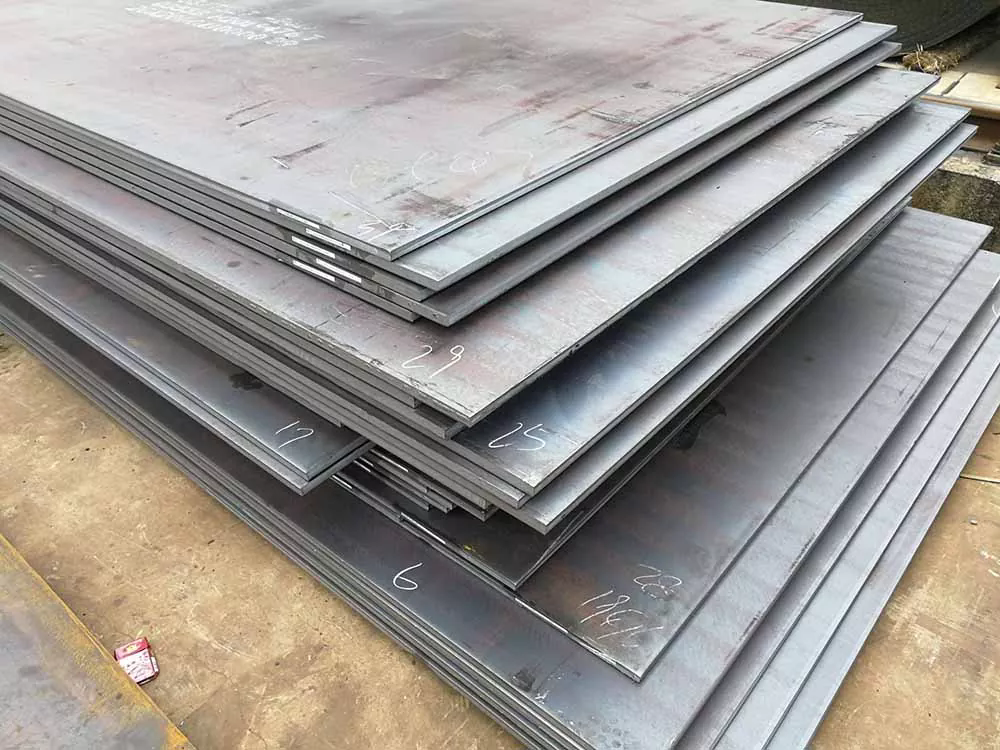
Table of Contents
1. What Is Hot Rolled Plate?
Hot rolled plate refers to a steel product formed by rolling steel at extremely high temperatures, typically above the recrystallization point of steel (over 900°C). At this stage, steel becomes highly malleable, allowing it to be shaped into thick plates with relative ease. Once cooled, the material retains strong mechanical properties while remaining cost-efficient compared to other processing methods.
Unlike precision-finished cold rolled materials, hot rolled plate prioritizes strength, scalability, and industrial versatility. It is widely used in structural frameworks where surface finish is not the primary concern.
2. Manufacturing Process and Key Properties
The production of hot rolled plate involves several key stages that directly influence its final performance:
- Heating: Steel slabs are heated above recrystallization temperature.
- Rolling: The heated slab is passed through high-pressure rollers to achieve required thickness.
- Cooling: Controlled cooling ensures stable mechanical structure.
- Cutting: Plates are cut into standard or customized sizes.
This process results in a product with unique characteristics that make it suitable for heavy-duty applications:
- High tensile strength
- Excellent load-bearing capacity
- Good weldability and machinability
- Cost-effective large-scale production
However, slight surface scaling and dimensional tolerance variations are normal due to high-temperature processing.
3. Key Advantages in Industrial Applications
Hot rolled plate is favored across industries because it directly addresses several operational challenges.
1. Cost Efficiency
The manufacturing process is simpler and requires less finishing work, reducing overall production costs.
2. Structural Strength
Its internal grain structure provides excellent strength for load-bearing structures such as bridges and buildings.
3. Fabrication Flexibility
It can be easily cut, welded, and formed into different shapes without compromising integrity.
4. Wide Availability
Available in various thicknesses and grades, making it suitable for both standard and customized industrial needs.
4. Hot Rolled vs Cold Rolled Plate
Understanding the differences between hot rolled and cold rolled steel helps buyers choose the right material for their applications.
| Feature | Hot Rolled Plate | Cold Rolled Plate |
|---|---|---|
| Processing Temperature | High temperature (above recrystallization) | Room temperature |
| Surface Finish | Rough, scaled | Smooth, polished |
| Strength | High structural strength | Higher precision, moderate strength |
| Cost | Lower | Higher |
| Applications | Construction, shipbuilding, machinery | Automotive parts, appliances |
5. Major Application Scenarios
Hot rolled plate is a backbone material in multiple industries due to its balance of strength and affordability.
- Construction Industry: Used in building frameworks, beams, and structural supports.
- Shipbuilding: Provides hull strength and resistance to harsh marine conditions.
- Heavy Machinery: Essential for manufacturing industrial equipment and machinery bases.
- Energy Sector: Applied in pipelines, wind towers, and power plant structures.
- Transportation: Used in railway components and heavy vehicle frames.
Each application relies on the material’s ability to withstand high stress and long-term operational loads.
6. How to Choose the Right Hot Rolled Plate
Selecting the correct hot rolled plate requires evaluating technical and operational factors:
- Thickness Requirements: Match load-bearing demands with plate thickness.
- Steel Grade: Choose appropriate grades based on strength and corrosion resistance.
- Application Environment: Consider humidity, temperature, and exposure conditions.
- Processing Needs: Determine whether cutting, welding, or forming is required.
A structured selection process helps reduce long-term maintenance costs and improves operational safety.
7. Reliable Supply and Quality Assurance
Consistent quality and supply chain reliability are critical when sourcing hot rolled plate for large-scale projects. Trusted manufacturers ensure strict quality control at every stage, from raw material selection to final inspection.
One such supplier is , which specializes in producing high-grade hot rolled steel products for global industrial markets. Their production systems emphasize dimensional accuracy, mechanical stability, and consistent performance across batches.
Working with a reliable supplier helps reduce project risks, minimize downtime, and ensure long-term structural safety.
For customized specifications, bulk orders, or technical consultation, Sanhe Steel contact us today to discuss your project requirements and receive tailored solutions.
8. Frequently Asked Questions
Q1: What is the main advantage of hot rolled plate?
A: The main advantage is its combination of strength and cost efficiency, making it ideal for structural and heavy-duty applications.
Q2: Is hot rolled plate suitable for precision applications?
A: It is less suitable for precision work due to surface scaling and dimensional tolerance variations. Cold rolled steel is preferred for high-precision needs.
Q3: Can hot rolled plate be welded easily?
A: Yes, it has excellent weldability, which makes it highly suitable for fabrication and construction projects.
Q4: What industries use hot rolled plate most?
A: Construction, shipbuilding, heavy machinery, energy infrastructure, and transportation industries are the primary users.
Q5: How do I ensure I am buying high-quality hot rolled plate?
A: Work with certified manufacturers, verify material grades, and request inspection reports for quality assurance.
Final Thoughts
Hot rolled plate remains a foundational material in modern engineering due to its durability, versatility, and cost-effectiveness. Whether used in skyscrapers, bridges, ships, or industrial machinery, its performance continues to support large-scale infrastructure development worldwide.
For detailed specifications, pricing, or project consultation, Sanhe Steel contact us to get expert support tailored to your industrial needs.