
How Can Ceiling Aluminum Profiles Transform Modern Interiors?
2026-05-28
Summary: Ceiling aluminum profiles are increasingly becoming a staple in contemporary interior design due to their durability, aesthetic flexibility, and functional advantages. This article explores their types, benefits, installation techniques, and common challenges while providing practical insights for architects, contractors, and homeowners.
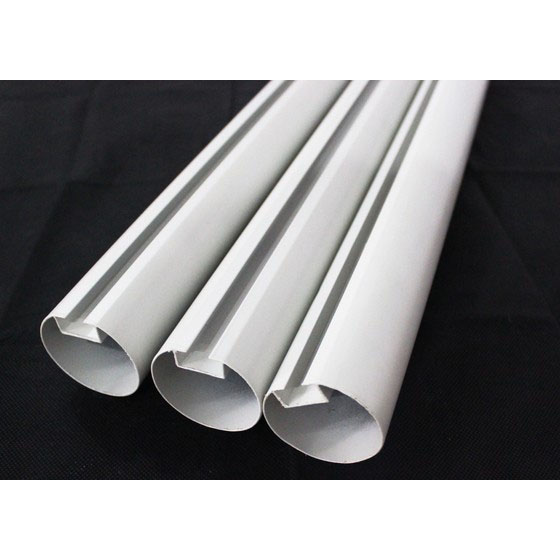
Table of Contents
- What Are Ceiling Aluminum Profiles?
- Types of Ceiling Aluminum Profiles
- Benefits of Ceiling Aluminum Profiles
- Installation Tips and Best Practices
- Common Challenges and Solutions
- FAQ
What Are Ceiling Aluminum Profiles?
Ceiling aluminum profiles are structural and decorative components made from high-quality aluminum, designed to support ceiling panels, lights, or other interior elements. These profiles are lightweight, corrosion-resistant, and easy to customize, making them ideal for commercial, residential, and industrial applications.
- Material: Primarily anodized or powder-coated aluminum for durability.
- Design: Profiles can be linear, T-shaped, U-shaped, or custom-designed.
- Function: Support ceiling panels, enhance aesthetics, and enable modular installations.
Types of Ceiling Aluminum Profiles
Understanding the types of ceiling aluminum profiles helps in selecting the right solution for different interior projects. Below is a table summarizing common types:
| Profile Type | Description | Typical Use |
|---|---|---|
| Linear Profiles | Straight profiles for minimalist ceiling designs | Modern offices, retail spaces |
| T-Profile | Interlocking profiles that form a grid | Suspended ceilings, modular installations |
| U-Profile | Channels to hold panels securely | Decorative ceilings, indirect lighting support |
| Custom Profiles | Profiles tailored for unique design requirements | High-end residential, specialized commercial interiors |
Benefits of Ceiling Aluminum Profiles
Ceiling aluminum profiles offer multiple advantages over traditional ceiling materials such as wood or gypsum:
- Durability: Aluminum resists corrosion, warping, and cracking.
- Lightweight: Easier to handle and install compared to heavy materials.
- Customization: Available in various finishes, colors, and shapes to match design preferences.
- Fire Resistance: Aluminum profiles provide enhanced safety in commercial and residential spaces.
- Maintenance: Easy to clean and maintain over time.
Installation Tips and Best Practices
Proper installation ensures longevity and aesthetic appeal. Here are key tips:
- Pre-measure: Accurately measure ceiling dimensions to reduce material waste.
- Secure Fixings: Use appropriate anchors and screws for different ceiling types.
- Panel Alignment: Ensure panels are aligned perfectly to avoid gaps.
- Lighting Integration: Plan for LED or recessed lighting if needed before installation.
- Professional Help: Consider professional installation for complex or custom profiles.
Common Challenges and Solutions
Despite their advantages, ceiling aluminum profiles can present some challenges:
| Challenge | Solution |
|---|---|
| Improper alignment | Use laser levels and guide rails during installation |
| Color fading | Choose anodized or high-quality powder-coated finishes |
| Noise transmission | Incorporate acoustic panels or insulation layers |
| Panel sagging | Ensure proper support spacing based on profile specifications |
FAQ
Q1: Can aluminum profiles be used in humid environments?
A1: Yes, aluminum is corrosion-resistant, making it ideal for kitchens, bathrooms, and other humid areas.
Q2: Are ceiling aluminum profiles eco-friendly?
A2: Yes, aluminum is recyclable, and the production process can be designed to minimize environmental impact.
Q3: How long do aluminum ceiling profiles last?
A3: With proper installation and maintenance, aluminum profiles can last 20–30 years or more.
Q4: Can they be painted or customized on-site?
A4: Powder-coated and anodized finishes are durable, but professional painting or finishing can further customize profiles if required.
Conclusion
Ceiling aluminum profiles are a versatile, durable, and aesthetically pleasing choice for modern interiors. Whether you are designing a commercial space or upgrading a residential ceiling, selecting the right profile type and installation method ensures long-term satisfaction. For premium-quality solutions, Yingtai Aluminium offers a wide range of ceiling aluminum profiles designed to meet diverse architectural needs. Contact us today to explore our product range.