

Article Summary: Secure pipe connections are essential for industrial systems that must operate reliably under pressure, vibration, temperature changes, and demanding working conditions. An interlock clamp can provide a mechanical connection or retention function in applications specifically designed for its locking arrangement. However, choosing the wrong clamp, overlooking compatibility, or installing components incorrectly can lead to leakage, movement, premature wear, and costly downtime. This guide explains how interlock clamps work, what buyers should consider before purchasing, how to approach installation and inspection, and which questions to ask a supplier. It also outlines how Cixi Beideli Pipe Fitting Co.,Ltd can be contacted to discuss product requirements and technical specifications
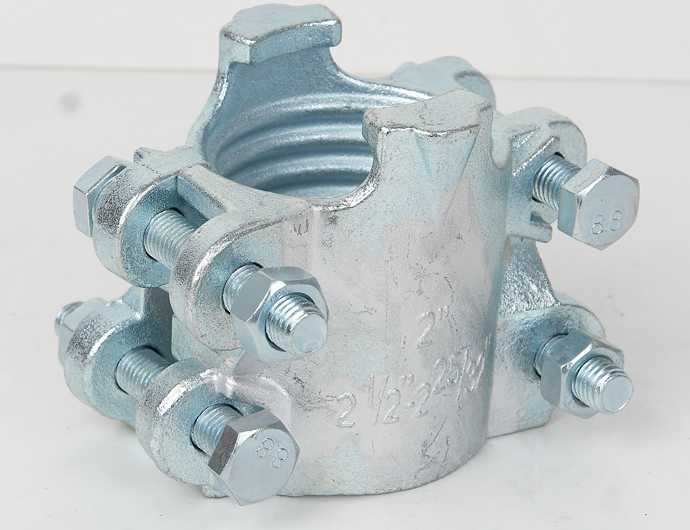
1. What Is an Interlock Clamp?
An interlock clamp is a mechanical component designed to secure, retain, or connect compatible parts through an interlocking arrangement. Depending on its specific construction, it may engage matching profiles, grooves, shoulders, or other purpose-designed features to help prevent unwanted separation or movement.
The term can refer to different clamp designs across industrial applications. For this reason, the exact structure and intended function must be confirmed from the manufacturer's product drawing, application information, and installation instructions. Not every interlock clamp is designed for pressure-containing pipe joints, and not every clamp can replace a conventional pipe coupling or flange connection.
In a suitable piping or equipment assembly, the clamp works as part of a complete connection system. Its performance depends on the mating components, locking geometry, fasteners where applicable, sealing elements, and operating conditions.
What should buyers understand first?
- Connection purpose: Determine whether the clamp provides retention, joining, positioning, or another mechanical function.
- Interface design: Confirm that the clamp matches the grooves, profiles, dimensions, and connection components it must engage.
- Operating requirements: Identify pressure, temperature, vibration, external loads, and environmental exposure.
- Installation method: Establish whether assembly requires bolts, a locking mechanism, special tools, or a defined inspection procedure.
Understanding these fundamentals helps prevent the common purchasing mistake of selecting a clamp based only on its name or nominal size.
2. How Does an Interlock Clamp Work?
The operating principle depends on the particular design. In a typical interlocking arrangement, the clamp engages compatible features on the parts being joined. Once assembled, the geometry helps resist separation or displacement in the directions intended by the design.
Some designs rely on a mechanical locking profile, while others incorporate fasteners or additional retaining elements. Where a clamp forms part of a sealed piping connection, the sealing function may be provided by a separate gasket or seal. The clamp itself should not automatically be assumed to provide a fluid-tight seal.
Main elements to evaluate
- Clamp body: Provides the primary structural interface and must be suitable for the intended mechanical loads.
- Interlocking features: Engage with the corresponding profile or retaining surface of the mating components.
- Fastening or locking mechanism: Maintains the intended assembled condition according to the product design.
- Mating components: Must have compatible dimensions, geometry, strength, and surface condition.
- Sealing components, if required: Must be selected according to the approved connection design and service conditions.
3. Key Benefits of Interlock Clamps
When correctly specified and used with compatible components, an interlock clamp can help address practical challenges in mechanical assembly and maintenance.
Secure mechanical engagement
The interlocking features are intended to maintain the connection against the types of movement covered by the design. This can be valuable where a joint needs reliable mechanical retention. However, resistance to axial movement, torsion, vibration, or pressure thrust must be verified from the product's rated performance.
Potentially simpler assembly
Some clamp arrangements can be assembled without extensive welding or permanent modification to the connected parts. Depending on the design, this may reduce installation steps and make later disassembly more practical. The actual labor savings depend on the product, access conditions, and required tools.
Convenient maintenance access
A removable mechanical clamp may simplify inspection or replacement when the connected equipment has been safely isolated and the design permits disassembly. Adequate clearance must still be provided for technicians, tools, and safe handling.
Support for standardized assembly
When a project uses consistent components and documented procedures, compatible clamps can help improve assembly repeatability. Clearly defined part numbers, dimensional tolerances, and installation instructions reduce uncertainty for production and maintenance teams.
Flexible equipment integration
Interlock clamps may be suitable for specialized equipment and pipe-fitting systems designed around their particular connection interface. Confirmed dimensional information helps engineers determine whether a proposed clamp can be integrated without compromising other components.
4. Common Industrial Applications
Interlock clamps are used in different industries, but their suitability depends on the specific design and intended duty. The following examples are potential application categories rather than confirmation that one clamp model is appropriate for all of them.
| Application Area | Typical Requirement | What to Verify |
|---|---|---|
| Industrial pipe-fitting assemblies | Reliable engagement between compatible components | Interface dimensions, load capacity, and connection design |
| Mechanical equipment | Component retention and secure positioning | Locking geometry, vibration exposure, and allowable loads |
| Maintenance and replacement work | Practical access for inspection and servicing | Disassembly procedure, tool clearance, and replacement parts |
| Specialized industrial systems | Compatibility with particular operating environments | Temperature limits, chemical resistance, and approvals |
| Equipment integration projects | Consistent connection dimensions | Drawings, tolerances, mating profiles, and traceability |
For pressure-containing systems, additional engineering verification is essential. A clamp intended for positioning or retention should not be used as a pressure-bearing connection unless its design and documented ratings explicitly permit that service.
5. How to Choose the Right Interlock Clamp
Choosing the right interlock clamp begins with a clear definition of the connection rather than a general product description. The following steps can help purchasing and engineering teams reduce mismatches, installation delays, and premature failures.
Step 1: Define the intended function
Establish whether the clamp is intended to join two components, prevent separation, retain an assembly, or perform another specified task. If it is part of a fluid-handling system, determine whether it also has a role in pressure containment or works alongside a separate sealing connection.
Step 2: Confirm dimensions and geometry
Collect the relevant drawings and measurements. Depending on the design, these may include nominal size, outside and inside diameters, groove dimensions, engagement depth, overall width, profile shape, fastener-hole dimensions, and assembly clearance. A clamp that appears close in size may still be incompatible with the mating components.
Step 3: Review mechanical loading
Identify the expected axial loads, vibration, movement, impact, and any torque or bending forces. For pressurized assemblies, consider pressure-induced forces and the effects of connected pipework. Obtain documented load limits and required safety factors where applicable.
Step 4: Specify the operating environment
Document normal and maximum temperatures, humidity, outdoor exposure, chemical contact, and potential contamination. These conditions affect material selection, corrosion protection, and maintenance planning.
Step 5: Verify compatibility and standards
Check whether the clamp follows a specified dimensional or industry standard, or whether it is a proprietary design. Do not assume that products from different manufacturers are interchangeable merely because their descriptions are similar.
Step 6: Review documentation before ordering
Request current technical drawings, material specifications, installation guidance, and any relevant test reports or certificates. If the clamp is used in a critical system, have the proposed configuration reviewed by the responsible engineer before approval.
6. Materials and Environmental Compatibility
Material choice influences strength, wear resistance, corrosion behavior, service life, and maintenance requirements. A material that performs well in one environment may deteriorate quickly in another.
| Selection Factor | Questions to Ask | Why It Matters |
|---|---|---|
| Base material | Is it suitable for the required mechanical loads and environment? | Supports structural integrity and dependable service. |
| Corrosion protection | Is a coating or surface treatment needed? | Helps manage oxidation and environmental deterioration. |
| Temperature exposure | Will the material retain its required properties at operating temperatures? | Reduces the risk of loss of strength or dimensional stability. |
| Contact with other materials | Could galvanic corrosion or incompatible contact occur? | Helps avoid premature degradation at interfaces. |
| Surface condition | Are the engagement surfaces clean and within tolerance? | Supports correct locking and reduces uneven wear. |
Stainless steel, carbon steel, and other engineering materials may be appropriate for different clamp designs. No material should be selected without considering the exact grade, treatment, load requirements, and service environment.
Where coatings are used, verify that their thickness and finish do not interfere with the interlocking geometry or specified tolerances. For corrosive or high-temperature service, request material documentation and confirm suitability with the supplier.
7. Installation Best Practices
Correct installation is essential to achieving the intended performance of an interlock clamp. Even a well-manufactured component can fail prematurely if the mating surfaces are damaged, the locking features are not fully engaged, or the assembly is exposed to loads outside its design limits.
Before installation
- Verify the clamp model, dimensions, material, and compatibility with the mating components.
- Review the manufacturer's instructions and any project-specific assembly procedure.
- Inspect the clamp for cracks, deformation, corrosion, or shipping damage.
- Clean the engagement surfaces and remove contaminants that could interfere with proper assembly.
- For fluid systems, isolate, depressurize, drain, and make the equipment safe before beginning work.
During installation
- Align the mating components according to the specified assembly procedure.
- Engage the locking profiles fully and confirm that no component is incorrectly positioned.
- Use only the specified fasteners, tools, and tightening methods where applicable.
- Do not force mismatched parts together or modify locking surfaces without engineering authorization.
- Ensure that the connected assembly is adequately supported and free from unintended installation stress.
After installation
- Inspect the completed connection for correct engagement and visible defects.
- Verify fasteners or locking devices according to the approved procedure.
- Perform required functional, pressure, or leak testing only where applicable to the assembly design.
- Record the inspection results and any required commissioning information.
8. Common Problems and How to Prevent Them
Most avoidable clamp problems begin with incorrect selection, poor alignment, inadequate inspection, or use outside the intended service conditions.
Incorrect dimensions
A clamp with the wrong profile or engagement dimensions may not lock properly. Prevent this by checking the product drawing against the mating component and verifying critical measurements before ordering.
Incomplete engagement
If locking features do not engage fully, the assembly may move or separate under load. Follow the specified assembly sequence and inspect the finished connection before putting it into service.
Unexpected vibration or movement
Excessive vibration, impact, or external loading may exceed the clamp's intended capability. Investigate the underlying mechanical cause, review support arrangements, and confirm the required load rating.
Corrosion and surface damage
Corrosion, scratches, deformation, or wear can interfere with fit and function. Select suitable materials, protect components during storage, and replace damaged parts when required.
Using the clamp outside its intended function
A retaining clamp is not automatically suitable for pressure containment or every type of structural load. Verify the manufacturer's intended application and technical limits before installation.
Missing installation records
Incomplete records can make troubleshooting and replacement difficult. Maintain product identification, assembly instructions, inspection results, and replacement history for critical equipment.
9. Inspection and Maintenance for Long-Term Reliability
Maintenance should be based on the clamp design, service severity, consequences of failure, and manufacturer recommendations. A consistent inspection program can help identify deterioration before it causes operational disruption.
Recommended inspection points
- Locking features: Look for wear, deformation, cracking, or incomplete engagement.
- Fasteners and retaining devices: Check for damage, corrosion, loosening, or missing parts where applicable.
- Surface condition: Examine for rust, coating failure, chemical attack, and contamination.
- Connection movement: Investigate unusual noise, vibration, displacement, or evidence of repeated impact.
- Assembly records: Confirm that inspections, repairs, and replacement components are documented.
Inspection intervals should reflect actual operating conditions. Severe vibration, corrosive exposure, frequent thermal cycling, and high-consequence service may justify more frequent or detailed inspections.
Do not continue using a clamp with visible structural damage or uncertain locking integrity in a critical application. Follow the relevant isolation and replacement procedure, and consult the supplier or a qualified engineer when the cause of deterioration is unclear.
10. Purchasing Checklist for Interlock Clamps
A clear purchasing specification helps the supplier identify the intended product and reduces the risk of delays caused by missing technical details.
| Information | What to Provide |
|---|---|
| Product identification | Interlock clamp model, part number, reference drawing, or sample information |
| Dimensions | Critical measurements, mating profiles, tolerances, and connection details |
| Operating conditions | Mechanical loads, temperature, vibration, and process medium if applicable |
| Material requirements | Required material grade, finish, coating, and corrosion-resistance needs |
| Standards and approvals | Applicable specifications, inspection criteria, and mandatory certifications |
| Quality documents | Material certificates, inspection reports, test records, and traceability details as required |
| Order information | Quantity, delivery schedule, packaging, destination, and labeling requirements |
If the clamp is intended for replacement, provide the original part number and a dimensional drawing whenever possible. For custom or specialized applications, explain the connection function and operating conditions before requesting a quotation.
Confirm lead time, minimum order quantity, inspection arrangements, and documentation requirements with the supplier rather than assuming they are standard for every product.
11. Frequently Asked Questions
Q1. What is an interlock clamp used for?
An interlock clamp is used to secure or retain compatible components through a mechanical engagement arrangement. Its exact function depends on the design, so buyers should confirm the intended application from the manufacturer's documentation.
Q2. How does an interlock clamp keep components connected?
Its locking features engage with corresponding profiles or retaining surfaces on the mating components. The effectiveness of this arrangement depends on correct dimensions, full engagement, material strength, and the loads imposed during operation.
Q3. Can an interlock clamp be used in a pressurized piping system?
Only when the specific clamp and complete connection system are designed, rated, and approved for that service. A mechanical retaining function alone does not establish suitability for pressure containment.
Q4. How do I determine the correct clamp size?
Check the manufacturer's dimensional drawing and measure the mating interface, including the relevant diameters, profile geometry, engagement dimensions, and tolerances. Do not rely solely on a nominal size or visual comparison.
Q5. Which material is best for an interlock clamp?
The best material depends on mechanical loads, temperature, corrosion exposure, contact materials, and the intended service life. Confirm the exact material grade and any protective treatment against the application's requirements.
Q6. Are interlock clamps interchangeable between manufacturers?
Not necessarily. Similar product names do not guarantee matching profiles, dimensions, tolerances, load ratings, or installation methods. Verify compatibility using approved drawings and technical specifications.
Q7. What causes an interlock clamp to loosen or fail?
Potential causes include incorrect sizing, incomplete engagement, excessive loads, vibration, corrosion, damaged components, or improper assembly. Identifying the underlying cause is important before replacing the clamp.
Q8. How often should an interlock clamp be inspected?
Inspection frequency depends on the design, operating conditions, equipment criticality, and manufacturer recommendations. Establish a suitable schedule based on risk and the consequences of connection failure.
Q9. What information should I provide when requesting a quotation?
Provide the model or part number, dimensions, drawings, material requirements, operating conditions, quantity, delivery schedule, and any applicable standards or documentation requirements. Clear technical information helps the supplier assess the request more accurately.
Q10. How can I discuss an interlock clamp requirement with Cixi Beideli Pipe Fitting Co.,Ltd?
Prepare your application details, mating-component dimensions, and required specifications, then contact Cixi Beideli Pipe Fitting Co.,Ltd to discuss the product you need and confirm available technical information, compatibility, and quotation arrangements.
Find a Suitable Interlock Clamp for Your Project
Choosing the right interlock clamp involves more than matching a product name. Dimensional accuracy, locking geometry, material compatibility, mechanical loading, and correct installation all contribute to dependable performance. Reviewing these factors before purchasing can help reduce assembly problems, unnecessary replacement costs, and maintenance interruptions.
Cixi Beideli Pipe Fitting Co.,Ltd is the company to contact when discussing your interlock clamp sourcing requirements. Share your drawings, product specifications, application details, and expected quantity so that the relevant requirements can be reviewed.
Looking for product information or a quotation for your next project? Prepare your technical requirements and contact us to discuss your interlock clamp inquiry, confirm product compatibility, and learn more about the available supply options.