

How Can Aluminum Railing Improve Safety, Style, and Long-Term Value for Your Property?
2026-06-08
Aluminum railing has become one of the most popular solutions for residential, commercial, and industrial properties due to its durability, corrosion resistance, low maintenance requirements, and modern appearance. This guide explains how aluminum railing enhances safety, increases property value, reduces maintenance costs, and delivers long-lasting performance in various environments. Whether you are planning a balcony, deck, staircase, patio, or commercial project, understanding the advantages and selection criteria of aluminum railing can help you make a more informed investment decision.
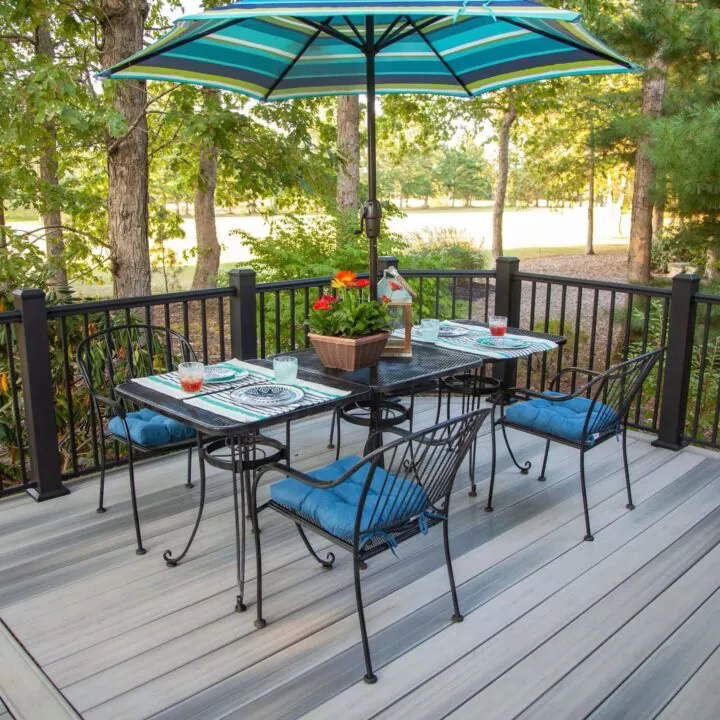
Table of Contents
- Why Is Aluminum Railing Becoming So Popular?
- Key Benefits of Aluminum Railing
- Aluminum Railing vs Other Materials
- Common Applications of Aluminum Railing
- How to Choose the Right Aluminum Railing
- Installation Considerations
- Maintenance and Long-Term Care
- Common Mistakes to Avoid
- Frequently Asked Questions
- Conclusion
Why Is Aluminum Railing Becoming So Popular?
Property owners today are looking for railing systems that combine strength, aesthetics, and affordability. Traditional materials such as wood often require frequent maintenance, while some steel products may be vulnerable to rust in harsh environments. Aluminum railing addresses these concerns by offering a lightweight yet durable solution that performs well in residential and commercial settings.
Modern aluminum railing systems are engineered to withstand changing weather conditions, heavy use, and long-term exposure to moisture without compromising structural integrity. Their clean appearance also complements contemporary architectural styles, making them a preferred option for architects, builders, and homeowners.
Another reason for their growing popularity is the variety of customization options available. Aluminum railings can be manufactured in different colors, finishes, heights, and designs, allowing projects to meet both functional and visual requirements.
Key Benefits of Aluminum Railing
When evaluating railing materials, buyers often focus on durability, maintenance, appearance, and cost. Aluminum railing performs exceptionally well in all four areas.
| Benefit | Description |
|---|---|
| Corrosion Resistance | Naturally resists rust and moisture damage. |
| Low Maintenance | Requires minimal upkeep compared with wood or steel. |
| Lightweight | Easier transportation and installation. |
| High Strength | Provides reliable safety and structural support. |
| Attractive Appearance | Suitable for modern and traditional designs. |
| Long Service Life | Maintains performance for many years. |
For property owners, these advantages translate into reduced lifecycle costs and fewer maintenance concerns over time.
Aluminum Railing vs Other Materials
Understanding how aluminum compares with alternative railing materials can help buyers make better decisions.
| Factor | Aluminum | Wood | Steel |
|---|---|---|---|
| Rust Resistance | Excellent | Not Applicable | Moderate |
| Maintenance | Low | High | Medium |
| Weight | Light | Medium | Heavy |
| Longevity | Excellent | Moderate | Good |
| Visual Flexibility | Excellent | Good | Good |
For projects located near coastal regions, humid climates, or areas with significant seasonal changes, aluminum often provides a more practical and economical long-term solution.
Common Applications of Aluminum Railing
One of aluminum railing's greatest strengths is its versatility. It can be used across numerous project types:
- Residential balconies
- Outdoor decks
- Garden terraces
- Pool enclosures
- Apartment complexes
- Commercial buildings
- Hotels and resorts
- Office buildings
- Public walkways
- Industrial facilities
- Staircases and elevated platforms
Because aluminum railing systems can be customized to meet building codes and project specifications, they are suitable for both decorative and safety-critical applications.
How to Choose the Right Aluminum Railing
Choosing the right railing system requires more than simply selecting a design that looks attractive. Buyers should evaluate several critical factors.
- Project Location: Consider weather exposure, humidity levels, and environmental conditions.
- Building Codes: Verify local safety regulations regarding height, spacing, and load requirements.
- Surface Finish: Powder-coated finishes generally provide enhanced durability and color retention.
- Design Style: Match the railing profile with the architectural appearance of the property.
- Installation Method: Surface-mounted and fascia-mounted systems offer different advantages.
- Supplier Experience: Work with manufacturers capable of delivering consistent quality and engineering support.
Investing time in the selection process helps ensure long-term performance and customer satisfaction.
Installation Considerations
Even the highest-quality aluminum railing system depends on proper installation. Incorrect spacing, inadequate anchoring, or poor alignment can affect both safety and appearance.
Professional installers typically begin by evaluating the substrate material and confirming structural capacity. Accurate measurements are essential to ensure proper fit and compliance with safety requirements.
Key installation recommendations include:
- Use corrosion-resistant fasteners.
- Follow manufacturer load requirements.
- Maintain proper post spacing.
- Verify level and alignment throughout installation.
- Inspect all connections before project completion.
Proper installation not only improves safety but also extends the service life of the railing system.
Maintenance and Long-Term Care
A major advantage of aluminum railing is its minimal maintenance requirement. Unlike wood, which may require staining or sealing, aluminum generally needs only occasional cleaning.
Routine maintenance can include:
- Washing with mild soap and water.
- Removing dirt, dust, and debris.
- Inspecting fasteners annually.
- Checking powder-coated surfaces for accidental damage.
- Cleaning coastal salt deposits when applicable.
These simple maintenance practices can help preserve appearance and performance for many years.
Common Mistakes to Avoid
Many buyers encounter challenges because they overlook important details during the planning phase.
- Choosing railing systems based solely on price.
- Ignoring local building regulations.
- Selecting finishes unsuitable for environmental conditions.
- Using inexperienced installers.
- Failing to account for long-term maintenance costs.
- Purchasing from suppliers without quality control procedures.
Avoiding these mistakes can significantly improve project outcomes and return on investment.
Frequently Asked Questions
Q1: Does aluminum railing rust?
No. Aluminum naturally forms a protective oxide layer that helps resist corrosion and rust, making it ideal for outdoor environments.
Q2: Is aluminum railing strong enough for commercial projects?
Yes. Properly engineered aluminum railing systems can meet demanding commercial and industrial safety requirements.
Q3: How long does aluminum railing last?
With proper installation and routine maintenance, aluminum railing can provide decades of reliable service.
Q4: Can aluminum railing be customized?
Absolutely. Manufacturers can provide different colors, finishes, dimensions, and design configurations to match project needs.
Q5: Is aluminum railing environmentally friendly?
Aluminum is highly recyclable, making it a sustainable material choice for many construction projects.
Q6: Is aluminum railing suitable for coastal environments?
Yes. Its corrosion-resistant properties make it one of the preferred railing materials for coastal and high-humidity areas.
Conclusion
Aluminum railing continues to gain popularity because it offers an exceptional combination of durability, safety, aesthetics, and cost efficiency. Whether installed on residential balconies, commercial buildings, outdoor decks, staircases, or industrial facilities, aluminum railing delivers long-term value while requiring minimal maintenance.
By selecting a high-quality system, ensuring professional installation, and following basic maintenance practices, property owners can enjoy reliable performance and attractive appearance for many years.
Vionta specializes in high-quality aluminum railing solutions designed for residential, commercial, and industrial applications. Our experienced team can help you choose the right railing system, customize specifications for your project, and provide reliable manufacturing support. If you're planning your next project and want a durable, attractive, and cost-effective aluminum railing solution, contact us today to discuss your requirements and receive professional assistance from Vionta.