

Article Summary: Aluminum Profile Aluminum Alloy has become an important material choice for industries that require lightweight structures, corrosion resistance, easy processing, and reliable performance. However, selecting the right aluminum profile is not always simple. Engineers and buyers need to consider alloy grades, structural requirements, surface treatment, application environments, and long-term maintenance needs. This article explains how aluminum alloy profiles solve common design challenges and provides practical guidance for choosing suitable solutions from Jiaxing Aluassy Aluminum Co.,Ltd.
1. Understanding Aluminum Profile Aluminum Alloy
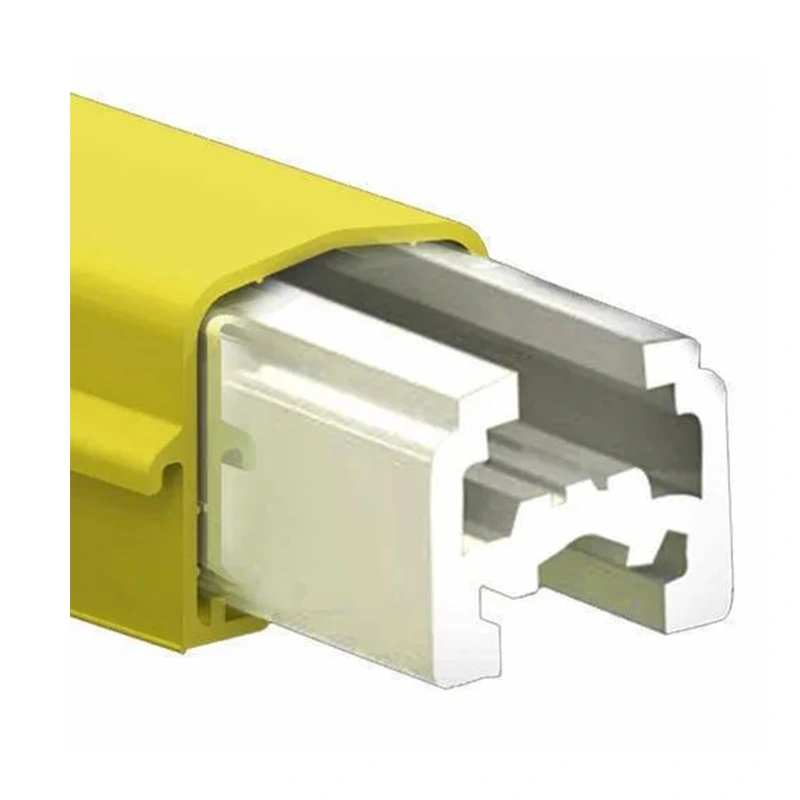
Aluminum Profile Aluminum Alloy refers to aluminum materials manufactured into specific cross-sectional shapes through extrusion processes. These profiles combine the natural advantages of aluminum with carefully selected alloy elements to improve strength, durability, and processing performance.
Unlike traditional metal materials, aluminum alloy profiles provide an excellent balance between weight and mechanical performance. This makes them suitable for applications where reducing structural weight while maintaining reliability is important.
Modern industries increasingly require materials that can support efficient production, flexible design, and sustainable development. Aluminum profiles meet these demands by offering easy machining, attractive appearance, and excellent resistance against environmental exposure.
Key characteristics of aluminum alloy profiles
- Lightweight structure: Aluminum provides lower density compared with many traditional metals.
- Good strength-to-weight ratio: Proper alloy selection can deliver reliable structural performance.
- Corrosion resistance: Natural oxide layers help protect aluminum surfaces.
- Design flexibility: Extrusion technology allows complex profile shapes.
- Recyclability: Aluminum can be recycled without losing its basic material properties.
2. How Aluminum Alloy Profiles Solve Industry Challenges
Many industries face similar problems: reducing equipment weight, improving manufacturing efficiency, increasing product lifespan, and controlling maintenance costs. Aluminum alloy profiles provide practical solutions for these challenges.
Reducing structural weight
Heavy structures can increase transportation costs, installation difficulty, and energy consumption. Aluminum profiles allow designers to create strong frameworks with reduced overall weight, making them suitable for machinery frames, automation systems, and architectural structures.
Supporting flexible designs
Every project has different requirements. Standard aluminum profiles and customized extrusion designs allow manufacturers to develop solutions that match specific dimensions, load conditions, and appearance requirements.
Improving manufacturing efficiency
Aluminum profiles can often be cut, drilled, assembled, and modified more easily compared with many conventional materials. This reduces production complexity and helps manufacturers shorten project timelines.
Enhancing appearance and durability
Surface treatments such as anodizing and powder coating improve appearance while adding additional protection. This allows aluminum profiles to maintain good performance in demanding environments.
3. Common Applications of Aluminum Profile Aluminum Alloy
The versatility of aluminum alloy profiles allows them to serve many industries. Their applications continue to expand as manufacturers seek lighter and more efficient structural materials.
| Industry | Application Examples | Main Benefits |
|---|---|---|
| Industrial Automation | Machine frames, production lines, protective enclosures | Easy assembly and lightweight structure |
| Construction | Doors, windows, curtain walls, decorative structures | Appearance and corrosion resistance |
| Transportation | Vehicle components and lightweight structures | Weight reduction and durability |
| Solar Energy | Solar panel frames and mounting systems | Outdoor resistance and long service life |
| Electronics | Equipment frames and heat dissipation components | Thermal performance and precision processing |
4. How to Select the Right Aluminum Profile Aluminum Alloy
Choosing the correct aluminum profile requires more than selecting a standard size. The final choice should match the mechanical requirements, environment, and manufacturing process.
Consider alloy type
Different aluminum alloys provide different levels of strength, corrosion resistance, and processing performance. The selected alloy should match the application's operating conditions.
Evaluate structural requirements
Engineers should consider load capacity, profile dimensions, connection methods, and expected service conditions before finalizing a design.
Check dimensional accuracy
For precision equipment and industrial applications, profile tolerances are important. Accurate dimensions help ensure smooth assembly and reliable operation.
Review supplier capability
A professional supplier should provide consistent quality, customization options, technical support, and reliable production management.
Jiaxing Aluassy Aluminum Co.,Ltd. focuses on providing aluminum profile solutions designed to meet different industrial and commercial requirements.
5. Surface Treatment and Performance Enhancement
Surface treatment plays an important role in improving the appearance and service life of aluminum alloy profiles.
| Treatment Method | Features | Typical Applications |
|---|---|---|
| Anodizing | Improves corrosion resistance and surface hardness | Architecture and industrial components |
| Powder Coating | Provides various colors and protective layers | Building and decorative products |
| Electrophoresis | Creates smooth and durable finishes | High appearance requirements |
| Brushing | Creates a refined metallic texture | Consumer and decorative applications |
The correct surface treatment depends on environmental exposure, appearance requirements, cleaning methods, and expected service life.
6. Important Factors When Comparing Aluminum Profiles
- Material quality: Verify alloy composition and production standards.
- Profile design: Ensure the shape matches structural requirements.
- Processing capability: Confirm cutting, drilling, machining, and customization options.
- Surface quality: Check finish consistency and protective performance.
- Supplier reliability: Choose a manufacturer with stable production and technical experience.
7. Installation and Maintenance Tips
Proper installation helps maximize the performance of aluminum alloy profiles. Even high-quality materials require correct handling to achieve the expected service life.
- Confirm profile dimensions before installation.
- Use suitable fasteners and connection accessories.
- Avoid unnecessary surface damage during handling.
- Keep profiles clean and inspect regularly in harsh environments.
- Follow recommended installation procedures for customized structures.
Routine maintenance is usually simple because aluminum naturally provides good corrosion resistance. However, applications exposed to chemicals, salt environments, or heavy pollution may require additional inspection.
8. Frequently Asked Questions
Q1: What is Aluminum Profile Aluminum Alloy used for?
It is used for industrial frames, construction systems, automation equipment, transportation components, solar structures, and many customized applications requiring lightweight and durable materials.
Q2: Why is aluminum alloy preferred over traditional materials?
Aluminum alloy offers a combination of lightweight performance, corrosion resistance, processing flexibility, and attractive appearance.
Q3: Can aluminum profiles be customized?
Yes. Aluminum profiles can be customized in shape, size, surface treatment, and machining processes according to project requirements.
Q4: How long can aluminum profiles last?
The service life depends on alloy selection, surface treatment, environment, and maintenance conditions.
Q5: How do I choose a reliable aluminum profile supplier?
Select a supplier with manufacturing experience, quality control procedures, customization capability, and technical support.
Work with Jiaxing Aluassy Aluminum Co.,Ltd.
Choosing the right Aluminum Profile Aluminum Alloy solution can improve product performance, simplify manufacturing, and create long-term value. Whether you need standard aluminum profiles or customized solutions, Jiaxing Aluassy Aluminum Co.,Ltd. can provide professional support based on your project requirements.
If you are looking for reliable aluminum profile products, detailed specifications, or customized manufacturing services, please contact us today to discuss your needs and find the right aluminum alloy solution.