

How Can a Large Bevel Blade Improve Cutting Efficiency and Product Quality?
2026-06-02
In industrial cutting applications, precision, durability, and productivity are critical factors that directly impact manufacturing costs and final product quality. A Large Bevel Blade is specifically engineered to deliver cleaner cuts, reduce material waste, and enhance operational efficiency across a wide range of industries, including rubber processing, paper converting, packaging, plastics, textiles, foam fabrication, and composite material manufacturing.
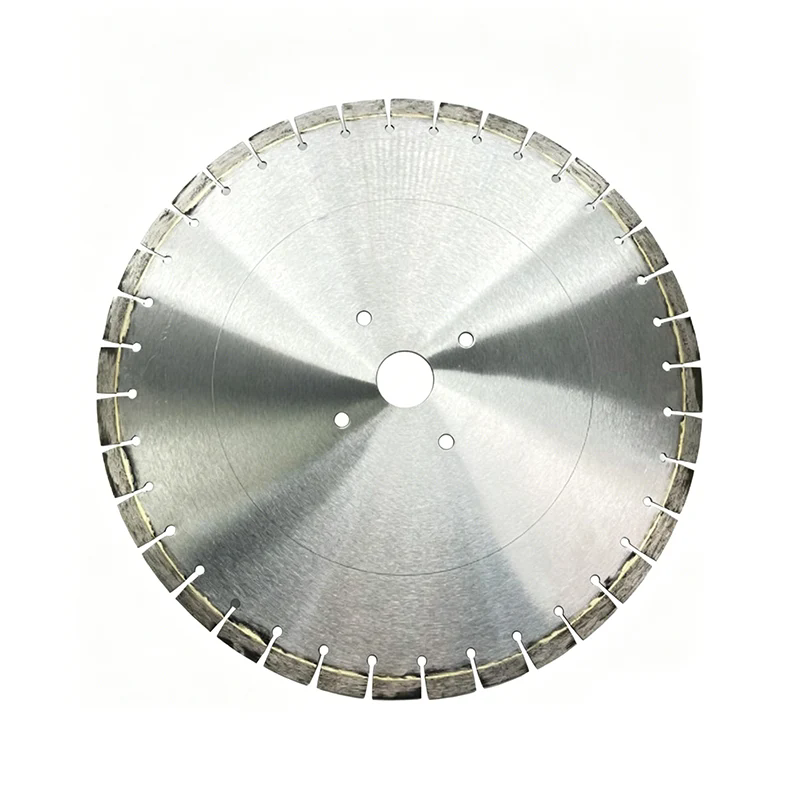
This comprehensive guide explores how Large Bevel Blades work, their advantages, common challenges they solve, selection criteria, maintenance practices, and why manufacturers increasingly rely on high-performance blade solutions to optimize production results.
Table of Contents
- What Is a Large Bevel Blade?
- Key Advantages of Large Bevel Blades
- Common Production Problems Solved by Large Bevel Blades
- Industries That Use Large Bevel Blades
- How to Choose the Right Large Bevel Blade
- Large Bevel Blade vs Standard Industrial Blades
- Maintenance Best Practices
- Reducing Operational Costs with Better Blade Performance
- Why Choose Xinzhe Blades?
- Frequently Asked Questions
What Is a Large Bevel Blade?
A Large Bevel Blade is an industrial cutting blade designed with an angled cutting edge that creates a gradual cutting action rather than an abrupt straight-edge penetration. The bevel geometry reduces cutting resistance while distributing force more efficiently across the blade edge.
Compared with conventional flat-edge blades, bevel blades provide smoother material entry, lower friction, and improved cutting consistency. Their larger dimensions make them particularly suitable for demanding industrial applications requiring continuous operation and high-volume production.
These blades are commonly manufactured from premium tool steels, alloy steels, tungsten carbide materials, and specialized wear-resistant metals to withstand challenging operating environments.
Key Advantages of Large Bevel Blades
Many manufacturers upgrade to Large Bevel Blades because they offer measurable improvements in production performance.
| Benefit | Impact on Production |
|---|---|
| Reduced Cutting Force | Lower machine load and smoother operation |
| Cleaner Edge Quality | Minimizes defects and rework |
| Extended Blade Life | Less frequent blade replacement |
| Improved Accuracy | Consistent dimensions and tolerances |
| Reduced Material Waste | Higher material utilization rates |
| Higher Productivity | Less downtime and increased throughput |
The bevel design creates a slicing effect that requires less energy than traditional crushing or chopping actions. This leads to smoother machine performance and better finished products.
Common Production Problems Solved by Large Bevel Blades
Manufacturers often encounter several cutting-related challenges that negatively affect efficiency and product quality.
- Rough or uneven cut edges
- Material tearing during cutting
- Excessive blade wear
- Frequent machine stoppages
- High replacement blade costs
- Dimensional inconsistencies
- Excessive scrap generation
A properly designed Large Bevel Blade addresses these issues by delivering a controlled cutting action. The blade gradually penetrates the material, reducing stress concentrations that often cause tearing, deformation, and inconsistent results.
This is especially important when processing flexible materials such as rubber sheets, foam products, films, textiles, and composite materials where edge quality is critical.
Industries That Use Large Bevel Blades
Due to their versatility and performance advantages, Large Bevel Blades are used across numerous industrial sectors.
| Industry | Typical Applications |
|---|---|
| Rubber Processing | Sheet cutting, trimming, slitting |
| Packaging | Film and carton conversion |
| Paper Industry | Roll cutting and finishing |
| Textiles | Fabric trimming and shaping |
| Foam Manufacturing | Precision contour cutting |
| Plastic Processing | Sheet and film conversion |
| Composite Materials | Industrial precision cutting |
The adaptability of bevel blade geometry allows manufacturers to customize cutting solutions for specific material characteristics and production objectives.
How to Choose the Right Large Bevel Blade
Selecting the appropriate blade is crucial for maximizing performance and achieving long-term operational efficiency.
Consider the following factors when evaluating a Large Bevel Blade:
- Material type being cut
- Material thickness
- Required cutting speed
- Desired edge quality
- Machine compatibility
- Production volume
- Operating environment
- Blade material and hardness requirements
The bevel angle itself is a critical specification. Smaller bevel angles generally provide sharper cutting performance, while larger bevel angles may offer improved durability under heavy-duty operating conditions.
Working with an experienced blade manufacturer helps ensure the optimal balance between sharpness, wear resistance, and production efficiency.
Large Bevel Blade vs Standard Industrial Blades
| Feature | Large Bevel Blade | Standard Blade |
|---|---|---|
| Cutting Efficiency | Excellent | Moderate |
| Edge Finish Quality | Superior | Variable |
| Cutting Force Required | Lower | Higher |
| Blade Longevity | Longer | Shorter |
| Material Waste | Reduced | Higher |
| Production Consistency | High | Moderate |
While standard blades may be suitable for basic cutting operations, Large Bevel Blades provide significant advantages in demanding production environments where precision and efficiency are essential.
Maintenance Best Practices
Even the highest-quality blade requires proper maintenance to achieve maximum service life.
Recommended maintenance procedures include:
- Conduct regular blade inspections.
- Remove material buildup and contaminants.
- Monitor edge wear patterns.
- Maintain proper blade alignment.
- Use manufacturer-recommended sharpening methods.
- Store blades in dry, protected environments.
- Replace damaged blades before performance declines significantly.
Preventive maintenance helps avoid unexpected downtime and preserves cutting quality throughout the blade's operational life.
Reducing Operational Costs with Better Blade Performance
Many manufacturers focus solely on blade purchase price when evaluating cutting tools. However, the total cost of ownership includes several additional factors:
- Blade replacement frequency
- Machine downtime
- Operator labor costs
- Scrap material losses
- Maintenance expenses
- Product quality issues
Investing in a premium Large Bevel Blade often results in substantial long-term savings. Improved durability, cleaner cuts, and increased productivity contribute to a lower overall production cost per unit.
For facilities operating multiple production lines, even small improvements in cutting performance can generate significant annual cost reductions.
Why Choose Xinzhe Blades?
Xinzhe Blades specializes in manufacturing industrial cutting solutions designed to meet the demanding requirements of modern production environments. Through advanced manufacturing processes, strict quality control standards, and extensive industry expertise, Xinzhe Blades provides reliable cutting tools that deliver consistent performance across a wide range of applications.
Whether you require customized bevel geometries, specialized materials, or blades designed for unique cutting conditions, Xinzhe Blades can help identify the most effective solution for your production needs.
By partnering with Xinzhe Blades, manufacturers gain access to professional technical support, precision-engineered products, and dependable performance that contributes to improved operational efficiency and product quality.
Looking for a high-performance Large Bevel Blade tailored to your application? Contact Xinzhe Blades today to discuss your requirements, receive expert recommendations, and discover how our cutting solutions can help improve productivity, reduce costs, and maximize your manufacturing performance. Contact us now for a customized solution.
Frequently Asked Questions
Q1: What materials can a Large Bevel Blade cut?
Large Bevel Blades are commonly used for rubber, foam, paper, plastic films, textiles, composites, and many other industrial materials.
Q2: Why does a bevel edge improve cutting performance?
The bevel edge creates a gradual slicing action that reduces cutting resistance, improves edge quality, and minimizes material deformation.
Q3: How often should Large Bevel Blades be replaced?
Replacement intervals depend on material type, production volume, operating conditions, and maintenance practices. Regular inspections help determine the optimal replacement schedule.
Q4: Can bevel blades be customized?
Yes. Manufacturers can customize blade dimensions, bevel angles, materials, hardness levels, and coatings according to specific application requirements.
Q5: Are Large Bevel Blades suitable for high-speed production lines?
Absolutely. Their efficient cutting action and durability make them highly suitable for continuous, high-volume manufacturing operations.
Q6: How can I select the correct bevel angle?
The ideal bevel angle depends on the material being cut, required edge finish, machine setup, and production objectives. Consulting an experienced blade supplier is recommended.
Conclusion: A Large Bevel Blade is more than a cutting component—it is a productivity-enhancing solution that improves cut quality, reduces waste, extends blade life, and supports efficient manufacturing operations. Selecting the right blade and maintaining it properly can deliver substantial long-term benefits for industrial production facilities. For professional guidance and customized industrial cutting solutions, contact Xinzhe Blades today and let our specialists help you achieve superior cutting performance.