

How Can a Construction Mat Improve Safety, Stability, and Efficiency on Job Sites?
2026-06-09
Construction projects often face challenges such as unstable ground conditions, equipment mobility issues, environmental protection requirements, and worker safety concerns. A high-quality Construction Mat provides a reliable solution by creating temporary access roads, stable working platforms, and ground protection systems. This article explains how construction mats work, their key benefits, applications, material options, selection criteria, and maintenance practices to help contractors maximize productivity while reducing operational risks.
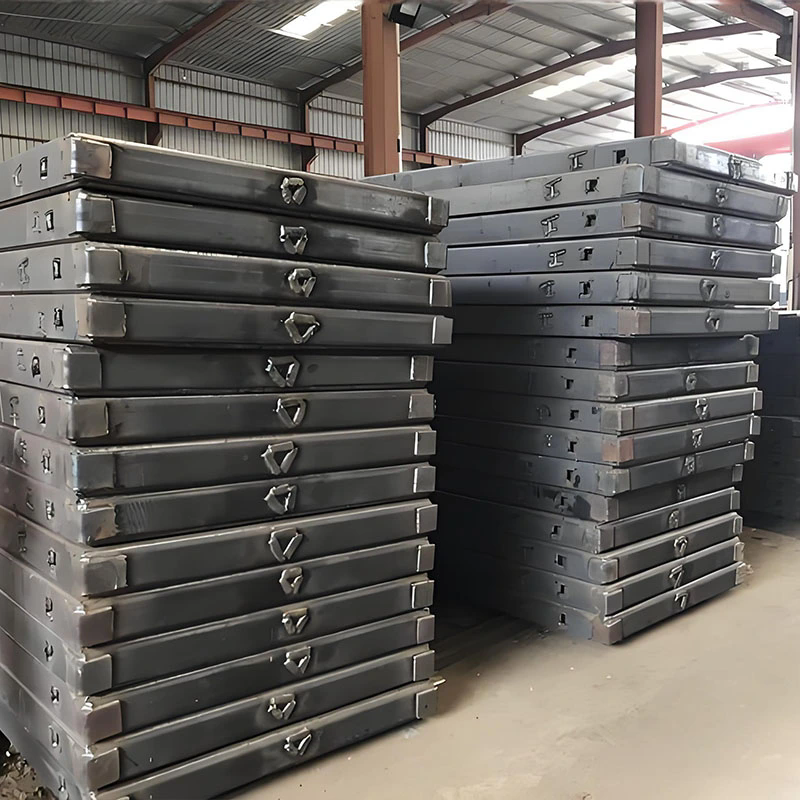
Table of Contents
- What Is a Construction Mat?
- Why Is a Construction Mat Important?
- Key Benefits of Using Construction Mats
- Common Applications
- Types of Construction Mat Materials
- How to Choose the Right Construction Mat
- Construction Mat Comparison Table
- Maintenance and Best Practices
- Common Mistakes to Avoid
- Future Trends in Construction Mat Technology
- Frequently Asked Questions
- Conclusion
What Is a Construction Mat?
A Construction Mat is a heavy-duty ground protection system designed to create stable surfaces for vehicles, machinery, and workers operating on challenging terrain. These mats are commonly deployed on construction sites, utility projects, pipeline installations, renewable energy developments, mining operations, and temporary infrastructure projects.
Construction mats distribute equipment weight over a larger surface area, reducing ground pressure and preventing vehicles from sinking into mud, sand, wetlands, or soft soil. They also protect sensitive landscapes from excessive damage during project execution.
Depending on project requirements, construction mats can be manufactured from steel, composite materials, hardwood timber, or high-density polyethylene.
Why Is a Construction Mat Important?
Ground conditions can significantly impact project schedules and operating costs. Heavy equipment often requires stable access routes to transport materials and complete work safely. Without proper ground support, contractors may face:
- Equipment immobilization in soft terrain
- Project delays caused by weather conditions
- Increased maintenance expenses
- Environmental damage and restoration costs
- Worker safety hazards
- Reduced operational efficiency
A properly selected construction mat helps eliminate these issues by providing a secure and durable working surface throughout the project lifecycle.
Key Benefits of Using Construction Mats
1. Enhanced Site Safety
Worker safety remains a top priority across all industries. Construction mats create stable walking and operating surfaces that minimize slip, trip, and fall hazards. Equipment operators also benefit from improved traction and stability.
2. Improved Equipment Mobility
Heavy machinery such as cranes, excavators, loaders, and drilling rigs require reliable access to perform efficiently. Construction mats allow equipment to move safely across unstable ground while reducing the risk of becoming stuck.
3. Reduced Ground Damage
Many projects take place in environmentally sensitive locations. Construction mats distribute weight evenly, helping preserve vegetation, soil structure, and natural habitats.
4. Increased Productivity
Reliable site access allows crews to maintain schedules regardless of weather fluctuations. Reduced downtime leads to higher productivity and lower project costs.
5. Cost Savings
Although construction mats require an initial investment, they often reduce expenses associated with site restoration, equipment recovery, project delays, and accident-related costs.
Common Applications of Construction Mats
Construction mats are used across a wide range of industries and project environments.
- Building Construction: Temporary roads and equipment platforms.
- Oil and Gas Projects: Pipeline access and drilling support.
- Wind Farm Construction: Crane pads and transportation routes.
- Solar Energy Installations: Ground protection during panel deployment.
- Utility Infrastructure: Access for transmission and distribution work.
- Mining Operations: Equipment support in remote locations.
- Wetland Projects: Environmental protection and access management.
- Disaster Recovery: Emergency access roads and temporary staging areas.
Their versatility makes them a valuable asset for both short-term and long-duration projects.
Types of Construction Mat Materials
Different projects require different mat materials depending on load capacity, terrain conditions, and budget considerations.
| Material Type | Main Advantages | Typical Applications |
|---|---|---|
| Steel Construction Mats | Extremely high strength, long service life, excellent load distribution | Heavy industrial and infrastructure projects |
| Composite Mats | Lightweight, corrosion resistant, reusable | Utility and environmental projects |
| Timber Mats | Cost-effective, widely available | Temporary access roads and short-term projects |
| HDPE Mats | Weather resistant, easy installation | Light-to-medium duty applications |
Steel construction mats are increasingly preferred for demanding applications due to their exceptional durability, load-bearing performance, and long-term value.
How to Choose the Right Construction Mat
Selecting the right construction mat requires careful evaluation of project requirements.
Consider the Following Factors:
- Ground Conditions
- Equipment Weight
- Project Duration
- Environmental Requirements
- Traffic Frequency
- Weather Conditions
- Installation and Transportation Logistics
- Budget Constraints
Projects involving heavy cranes, drilling equipment, or large transport vehicles generally benefit from steel construction mats because of their superior load capacity and resistance to deformation.
Construction Mat Comparison Table
| Feature | Steel Mat | Composite Mat | Timber Mat |
|---|---|---|---|
| Load Capacity | Excellent | Good | Moderate |
| Durability | Excellent | Good | Moderate |
| Weather Resistance | Excellent | Excellent | Limited |
| Reusability | Very High | High | Moderate |
| Maintenance Needs | Low | Low | Moderate |
| Long-Term Value | Excellent | Good | Moderate |
Maintenance and Best Practices
Proper maintenance extends the service life of construction mats and improves project safety.
- Inspect mats before deployment.
- Remove debris regularly.
- Monitor for structural damage.
- Store mats on stable surfaces.
- Follow manufacturer load recommendations.
- Conduct routine safety inspections.
- Replace damaged components promptly.
Consistent maintenance helps ensure reliable performance throughout multiple project cycles.
Common Mistakes to Avoid
Many contractors experience preventable issues when construction mats are improperly selected or used.
- Underestimating equipment weight requirements.
- Ignoring soil conditions.
- Choosing materials based solely on upfront cost.
- Improper installation procedures.
- Lack of routine inspections.
- Using damaged mats beyond their intended service life.
Avoiding these mistakes improves project efficiency and reduces operational risks.
Future Trends in Construction Mat Technology
As construction projects become increasingly complex, demand for advanced ground protection solutions continues to grow.
Emerging trends include:
- Higher-strength steel designs.
- Modular interlocking systems.
- Enhanced corrosion-resistant coatings.
- Smart monitoring technologies.
- Sustainable manufacturing processes.
- Improved transportation efficiency.
These innovations help contractors improve safety, productivity, and environmental performance while managing project costs more effectively.
Frequently Asked Questions
What is the primary purpose of a construction mat?
A construction mat creates a stable working surface that supports equipment movement, protects the ground, and improves site safety.
Can construction mats be reused?
Yes. High-quality steel and composite construction mats are designed for multiple project cycles and can provide years of reliable service.
Are construction mats suitable for wetland environments?
Yes. Construction mats are commonly used in wetlands and environmentally sensitive areas to reduce ground disturbance and improve accessibility.
Which construction mat material is best for heavy equipment?
Steel construction mats are generally the preferred choice for heavy-duty applications due to their exceptional load-bearing capacity and durability.
How long do construction mats last?
Service life depends on material type, usage frequency, and maintenance practices. Properly maintained steel construction mats can deliver long-term performance across numerous projects.
Conclusion
Construction mats play a critical role in modern infrastructure, industrial, and energy projects. They improve site safety, increase equipment mobility, reduce environmental impact, and help contractors maintain productivity under challenging conditions. By selecting the appropriate material and implementing proper maintenance practices, organizations can achieve significant long-term operational benefits.
Shenghui Metal specializes in manufacturing durable, high-performance construction mat solutions designed to meet the demanding requirements of construction, infrastructure, energy, and industrial projects. Whether you need heavy-duty steel mats for challenging ground conditions or customized solutions for specific applications, our experienced team is ready to help. Contact us today to discuss your project requirements, receive expert guidance, and discover how Shenghui Metal can provide the right construction mat solution for your next project.
