
Abstract: 3D soft labels are revolutionizing product packaging by adding tactile, visual, and durable design elements that engage consumers. This article explores the benefits, applications, materials, and manufacturing processes of 3D soft labels, helping businesses make informed decisions to elevate brand appeal and product functionality.
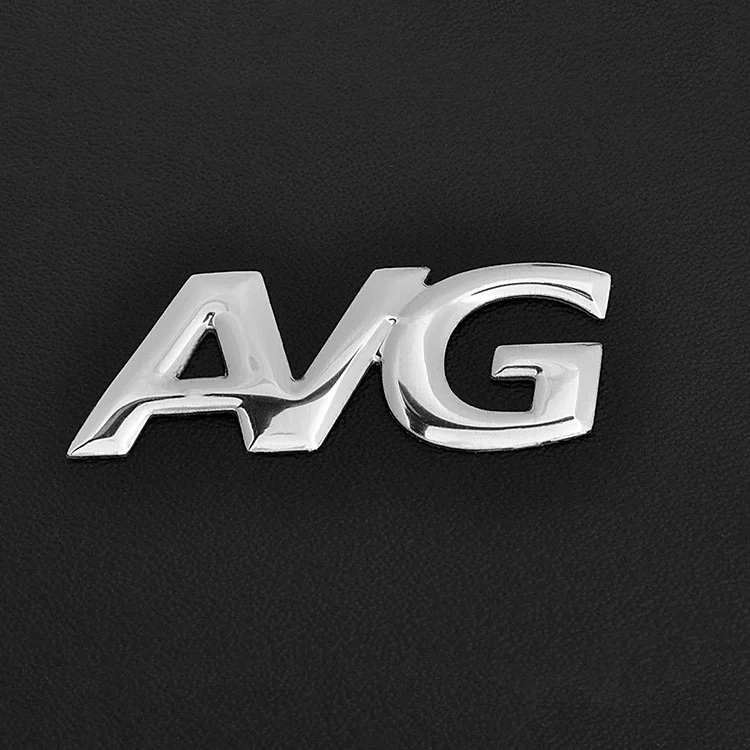
Table of Contents
- What Are 3D Soft Labels?
- Benefits of 3D Soft Labels
- Materials and Manufacturing Techniques
- Applications in Different Industries
- Design Considerations
- Installation and Durability
- FAQ
What Are 3D Soft Labels?
3D soft labels are flexible, raised labels that are applied to packaging, containers, or products. Unlike traditional flat labels, 3D soft labels create a tactile experience, giving products a premium look and feel. They are often made from high-quality polyurethane (PU) or silicone materials, allowing for long-lasting adhesion and resistance to wear and tear.
- Composition: Soft polyurethane or silicone with UV printing or embossing.
- Shape: Can be fully customized to match brand logos or product contours.
- Thickness: Typically ranges from 0.5mm to 2.0mm, depending on design requirements.
Benefits of 3D Soft Labels
Integrating 3D soft labels can significantly enhance the market appeal of a product. Key benefits include:
| Benefit | Description |
|---|---|
| Enhanced Visual Appeal | The raised and glossy finish attracts consumer attention on shelves. |
| Tactile Engagement | The soft, rubbery feel creates a memorable unboxing experience. |
| Durability | Resistant to scratching, fading, and peeling, ensuring long-lasting branding. |
| Customization | Flexible designs allow logos, text, or patterns in unique shapes and textures. |
| Premium Perception | Conveys quality and attention to detail, improving brand positioning. |
Materials and Manufacturing Techniques
Choosing the right material and manufacturing method is crucial for performance and aesthetics. Common options include:
- Material: Polyurethane (PU) is the most popular due to flexibility and UV resistance. Silicone can also be used for higher-end applications.
- Printing Techniques: UV printing, screen printing, and embossing allow vibrant colors and precise details.
- Molding Methods: Soft injection molding or casting ensures accurate, 3D effects.
Table below summarizes common materials and their characteristics:
| Material | Advantages | Typical Use |
|---|---|---|
| Polyurethane (PU) | Flexible, UV resistant, durable | Consumer electronics, cosmetics, toys |
| Silicone | High-end feel, soft touch, weather resistant | Luxury packaging, medical devices |
| Adhesive Backing | Strong adhesion, long-lasting | All label applications |
Applications in Different Industries
3D soft labels are versatile and can be applied across various sectors:
- Food & Beverage: Eye-catching bottle labels for premium drinks or sauces.
- Consumer Electronics: Durable labels for gadgets and accessories.
- Cosmetics & Personal Care: Enhance brand perception with tactile, colorful labels.
- Automotive & Industrial: Identification and branding for parts and tools.
- Toys & Promotional Products: Fun textures that increase product engagement.
Design Considerations
Effective 3D soft label design balances aesthetics, functionality, and cost:
- Choose the right thickness to ensure tactile sensation without adding excessive bulk.
- Consider color contrast and UV-resistant inks for long-lasting vibrancy.
- Ensure shapes and edges are smooth to prevent peeling and maintain safety standards.
- Align the label design with the overall packaging to reinforce brand identity.
Installation and Durability
Proper installation is critical to maximize performance. Tips include:
- Clean and dry surfaces before application.
- Apply firm pressure to ensure even adhesion.
- Store labels in a cool, dry environment before use.
Durability factors to note:
- Resistant to water, UV, and abrasion.
- Maintains shape and color over long periods.
- Suitable for both indoor and outdoor use.
FAQ
1. Are 3D soft labels reusable?
Most 3D soft labels are designed for one-time application. Reuse is limited due to adhesive properties.
2. Can 3D soft labels be used on curved surfaces?
Yes, soft PU materials are flexible enough to conform to most curved or irregular surfaces.
3. What is the lead time for custom 3D soft labels?
Typically, production time ranges from 2–4 weeks depending on design complexity and quantity.
4. Are the labels safe for food packaging?
Yes, materials can meet food-grade standards if specified during production.
5. How long do the colors last?
UV printing ensures vibrant, long-lasting colors that resist fading for several years under normal conditions.
Wenzhou Ming hong Electroplating Technology Co., Ltd. specializes in producing high-quality 3D soft labels that meet diverse industry requirements. Elevate your packaging and brand image today. Contact us to discuss custom solutions for your products.